Pharaohs & Pyramids
29 Apr 2027 - 7 Nights
The vast and beautiful continent of Africa is often referred to as the birthplace of humanity; well-known as the home of some of the world’s most ancient and fascinating civilisations. On an African river cruise, you’re sure to learn a lot about the history of the places you visit, whether it be the ancient Egyptian temples and pyramids or the more recent history of the South African apartheid.
View Africa River Cruises
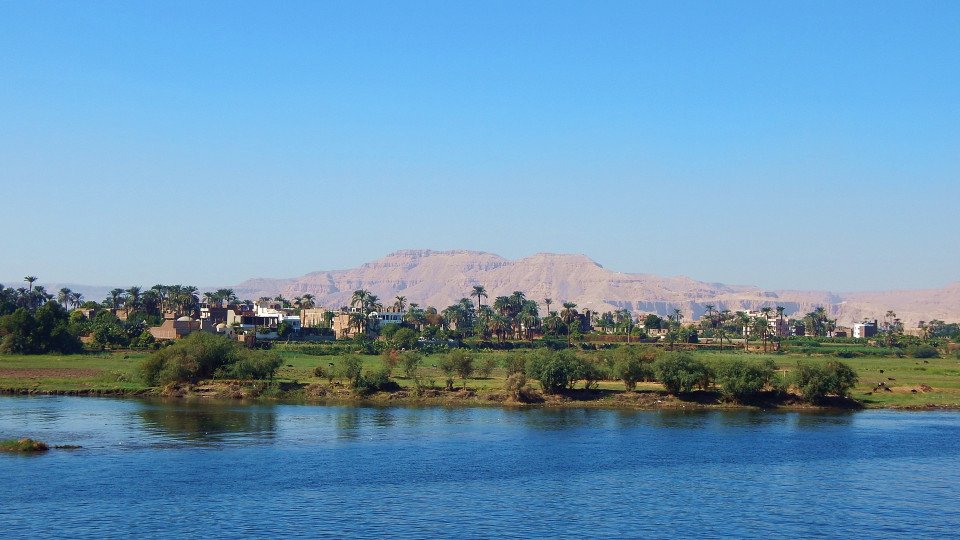
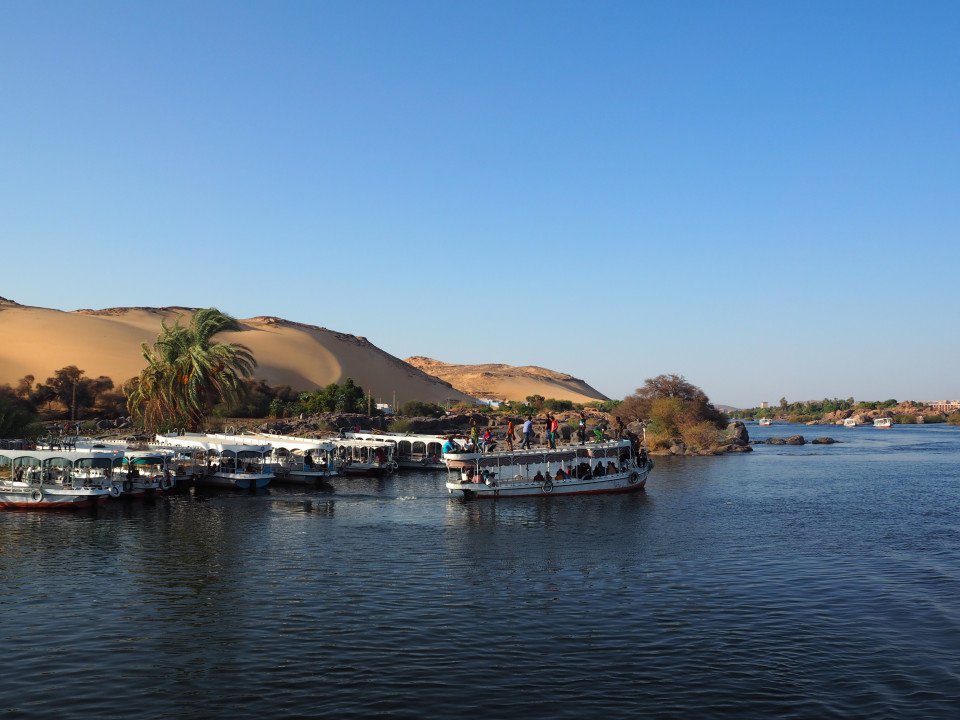
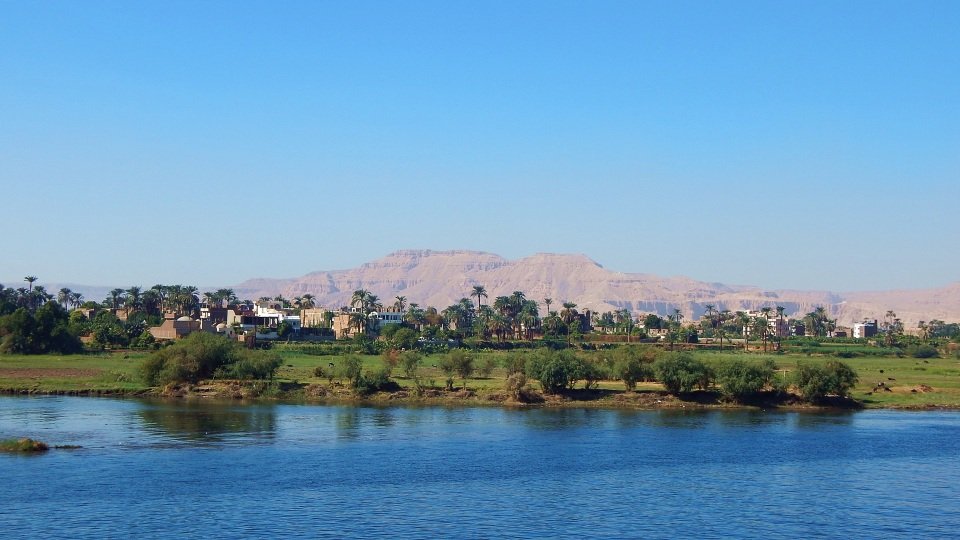
The mighty Nile is the world’s longest river, and although this spectacular waterway stretches across and provides sustenance for eleven African nations, an enchanting river voyage along the Nile will generally offer guests the opportunity to explore ports across Egypt – perhaps the most cultural and historically significant of the countries through which the Nile flows.
View Nile River Cruises
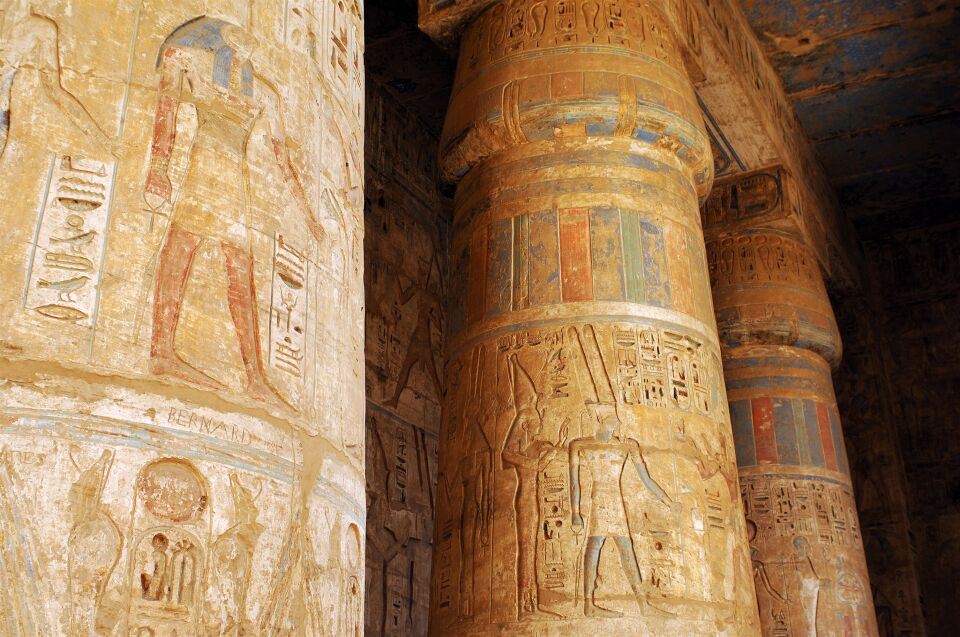
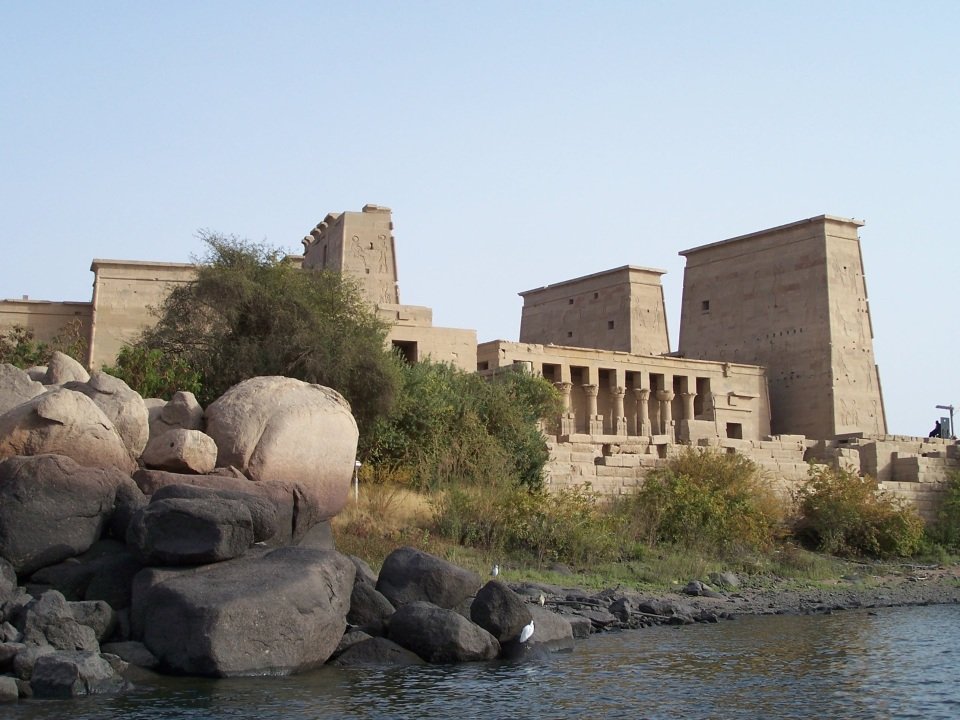
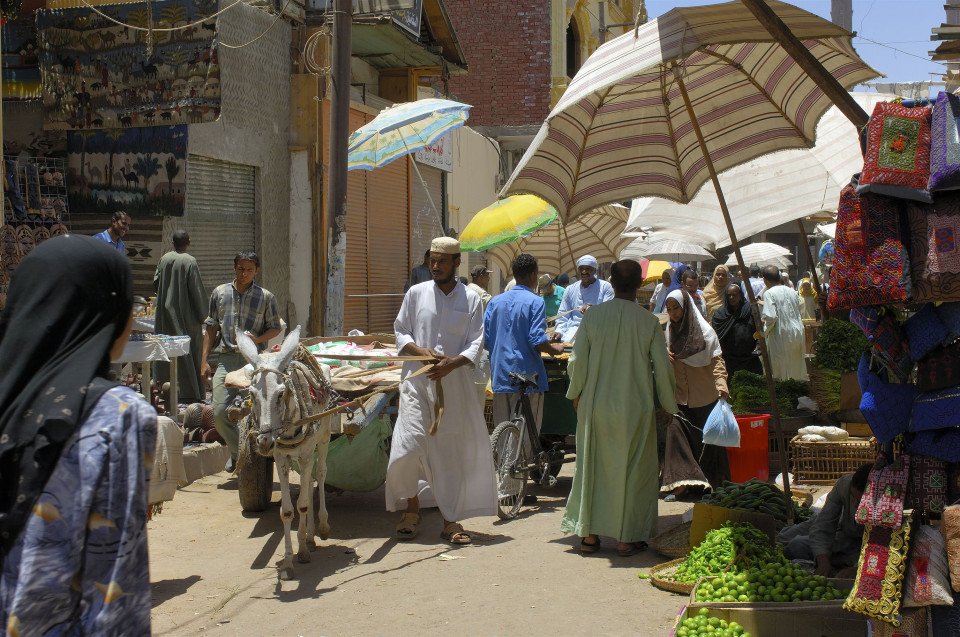
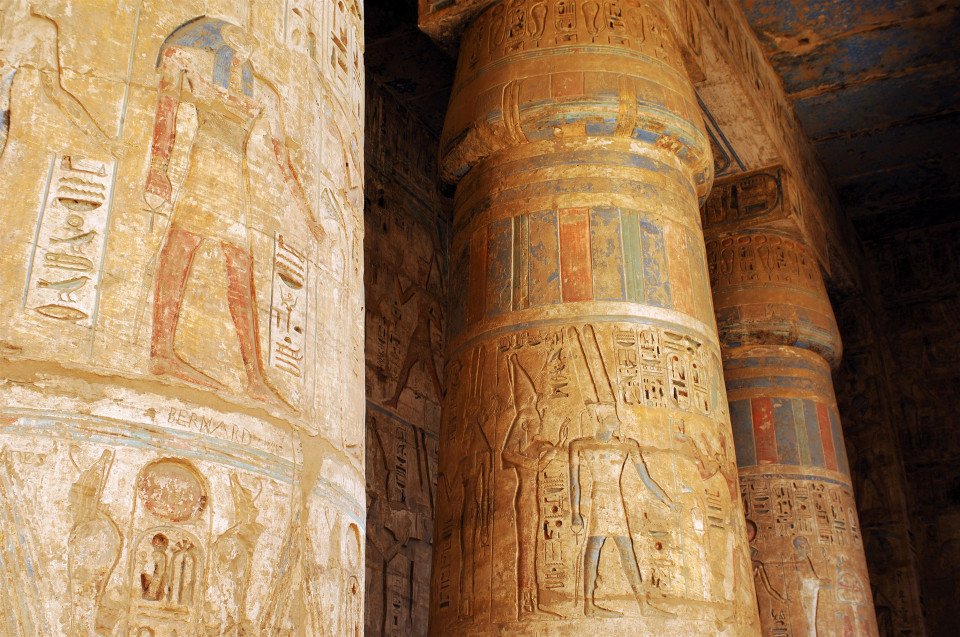
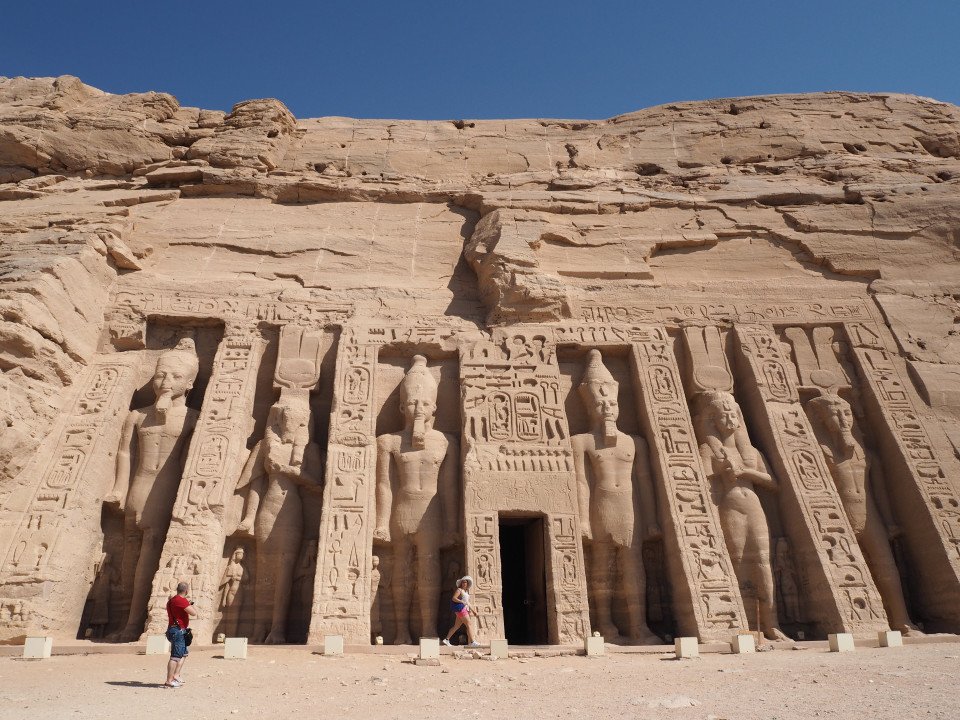
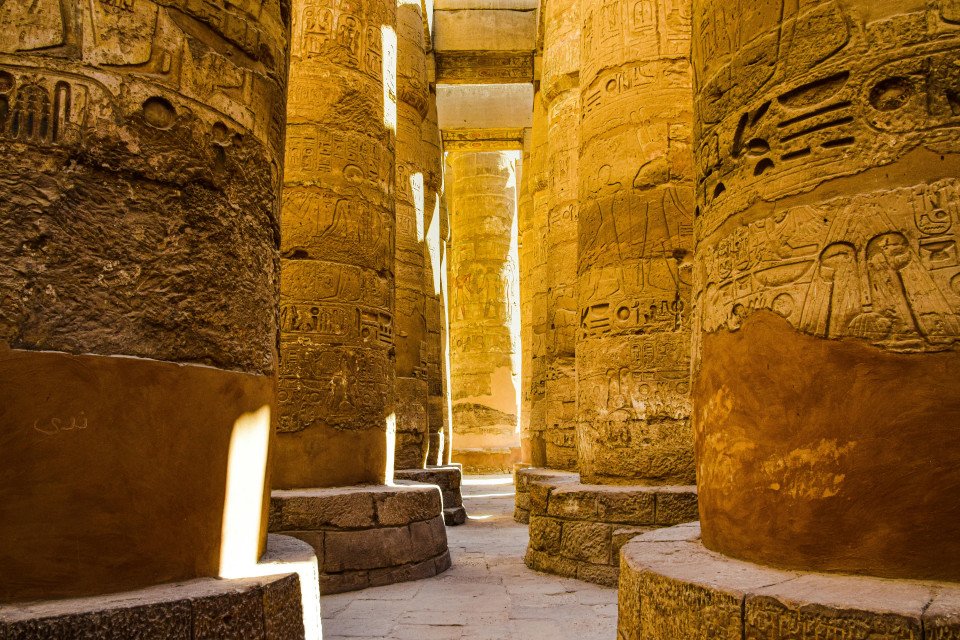
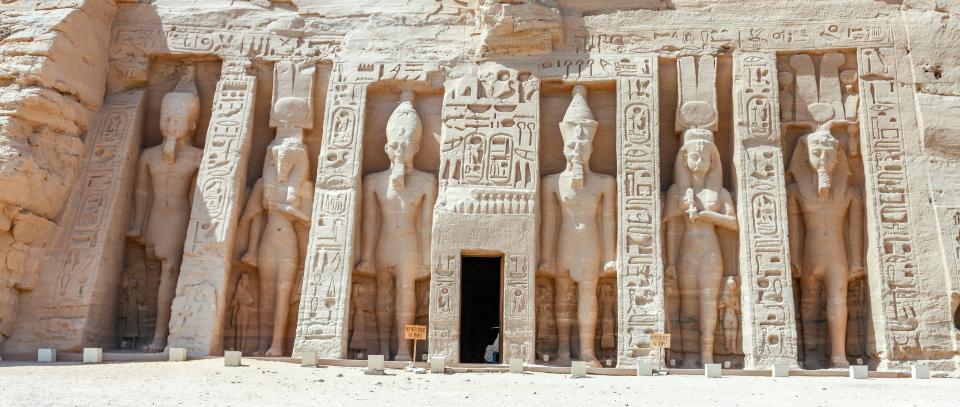
Egypt is a truly captivating and wonderfully historic nation and a river cruise along the majestic River Nile will call at some of the country’s most iconic destinations, offering guests the opportunity to observe a wealth of ancient landmarks, many of which date back for millennia.
View River Cruises to Egypt
The Chobe River borders Namibia and the Chobe National Park in Botswana. On a Chobe river cruise with AmaWaterways, you’ll explore not just the banks of the Chobe, but also enjoy tours of South African cities such as Cape Town and Johannesburg and natural wonders such as Victoria Falls.
View Chobe River Cruises
The capital and largest city of Algeria is also known as...
Chobe National Park, located in Botswana, is renowned for...
Your next stop will be Cape Verde’s cultural capital, Min...
Start your Expedition Cruise in Praia, the capital of Cape V...
The volcanic island of Fogo is probably the highest landmark...
Porto Novo, the second largest city on Santo Antão, is lo...
Palmeira is a charming fishing village located on Sal Isl...
The crescent of volcanic islands which form the Cape Verde a...
São Vicente Island, part of Cape Verde, is renowne...
If you’re a mountain lover, this is your island. São Nicolau...
The port and town of Sharm-el-Sheikh lies near the southernm...
Situated in Guinea-Bissau, João Vieira is one of t...
Samburu National Reserve, located in northern Kenya, is a...
Lake Nakuru National Park, located in the Rift Valley of...
Majunga, also known as Mahajanga, is a vibrant coastal ci...
Fort Dauphin (Toalagnaro) is a charming coastal town loca...
Portuguese Island is a beautiful and serene destination l...
Pomene National Reserve is a stunning protected area loca...
Mozambique Island, also known as Ilha de Moçambiqu...
Curieuse Island is a stunning destination in the Seychell...
Sainte Anne Island is a picturesque island located just o...
Victoria, the capital city of the Seychelles, is located...
Forty kilometers (25 miles) northeast of Mahé, Praslin is...
Assumption Island is a remote and tranquil island located...
Bijoutier Island is a very small island that sits within the...
Astove is the southernmost island in the Seychelles that is...
Cosmoledo is just a stone’s throw away from the World Herita...
The Poivre Islands are a group of islands that lie in the Ou...
A hidden gem in a faraway archipelago, Aldabra Atoll is one...
The Farquhar Island is part of the Farquhar Group of islands...
Coconut trees, white-sand beaches and crystal-clear waters,...
Marie Louise Island is a picturesque, low-lying coral island...
Alphonse Island is an authentic, unspoiled island experie...
Originally the home of the San and Khoisan people and later...
South Africa’s largest harbour is located on a lagoon on the...
Kruger National Park is one of Africa's largest and most...
Kilwa Kisiwani is a historic island located off the south...
Tarangire National Park is a stunning wildlife sanctuary...
The Ngorongoro Conservation Area is a UNESCO World Herita...
Serengeti National Park is one of the most famous wildlif...
Fanjove Island is a pristine and secluded paradise locate...
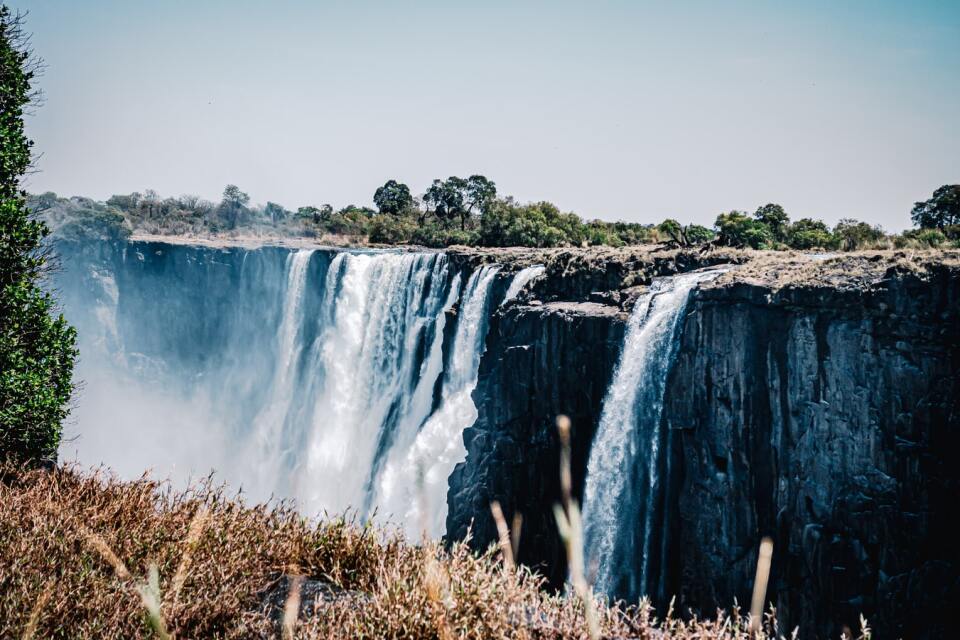
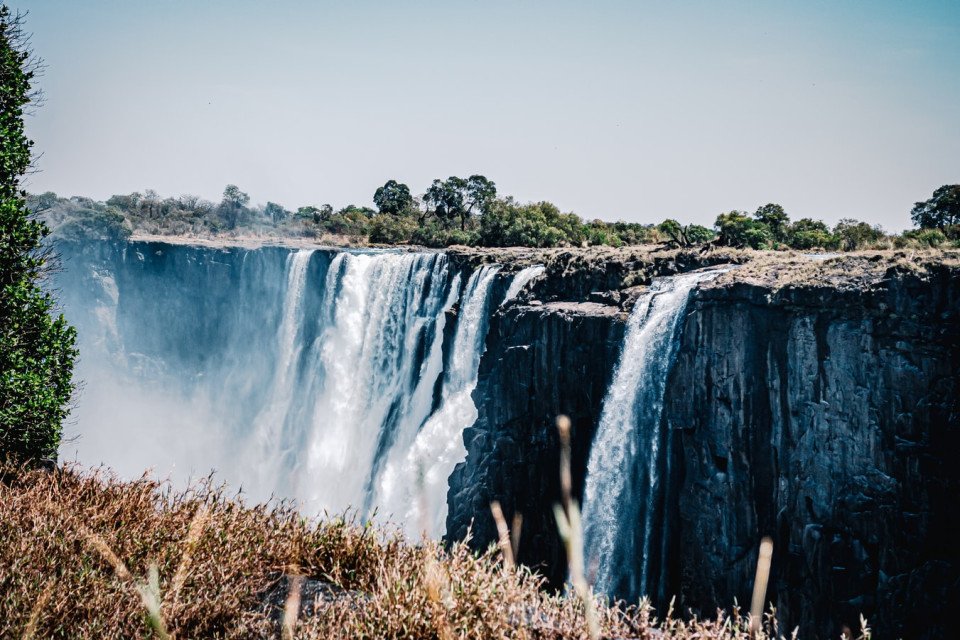
Situated on the Zambezi river at the border between Zambi...
The capital and largest city of Algeria is also known as...
Chobe National Park, located in Botswana, is renowned for...
Your next stop will be Cape Verde’s cultural capital, Min...
Start your Expedition Cruise in Praia, the capital of Cape V...
The volcanic island of Fogo is probably the highest landmark...
Porto Novo, the second largest city on Santo Antão, is lo...
Palmeira is a charming fishing village located on Sal Isl...
The crescent of volcanic islands which form the Cape Verde a...
São Vicente Island, part of Cape Verde, is renowne...
If you’re a mountain lover, this is your island. São Nicolau...
The port and town of Sharm-el-Sheikh lies near the southernm...
Situated in Guinea-Bissau, João Vieira is one of t...
Samburu National Reserve, located in northern Kenya, is a...
Lake Nakuru National Park, located in the Rift Valley of...
Majunga, also known as Mahajanga, is a vibrant coastal ci...
Fort Dauphin (Toalagnaro) is a charming coastal town loca...
Portuguese Island is a beautiful and serene destination l...
Pomene National Reserve is a stunning protected area loca...
Mozambique Island, also known as Ilha de Moçambiqu...
Curieuse Island is a stunning destination in the Seychell...
Sainte Anne Island is a picturesque island located just o...
Victoria, the capital city of the Seychelles, is located...
Forty kilometers (25 miles) northeast of Mahé, Praslin is...
Assumption Island is a remote and tranquil island located...
Bijoutier Island is a very small island that sits within the...
Astove is the southernmost island in the Seychelles that is...
Cosmoledo is just a stone’s throw away from the World Herita...
The Poivre Islands are a group of islands that lie in the Ou...
A hidden gem in a faraway archipelago, Aldabra Atoll is one...
The Farquhar Island is part of the Farquhar Group of islands...
Coconut trees, white-sand beaches and crystal-clear waters,...
Marie Louise Island is a picturesque, low-lying coral island...
Alphonse Island is an authentic, unspoiled island experie...
Originally the home of the San and Khoisan people and later...
South Africa’s largest harbour is located on a lagoon on the...
Kruger National Park is one of Africa's largest and most...
Kilwa Kisiwani is a historic island located off the south...
Tarangire National Park is a stunning wildlife sanctuary...
The Ngorongoro Conservation Area is a UNESCO World Herita...
Serengeti National Park is one of the most famous wildlif...
Fanjove Island is a pristine and secluded paradise locate...
Situated on the Zambezi river at the border between Zambi...
The capital and largest city of Algeria is also known as...
Chobe National Park, located in Botswana, is renowned for...
Your next stop will be Cape Verde’s cultural capital, Min...
Start your Expedition Cruise in Praia, the capital of Cape V...
The volcanic island of Fogo is probably the highest landmark...
Porto Novo, the second largest city on Santo Antão, is lo...
Palmeira is a charming fishing village located on Sal Isl...
The crescent of volcanic islands which form the Cape Verde a...
São Vicente Island, part of Cape Verde, is renowne...
If you’re a mountain lover, this is your island. São Nicolau...
The port and town of Sharm-el-Sheikh lies near the southernm...
Situated in Guinea-Bissau, João Vieira is one of t...
Samburu National Reserve, located in northern Kenya, is a...
Lake Nakuru National Park, located in the Rift Valley of...
Majunga, also known as Mahajanga, is a vibrant coastal ci...
Fort Dauphin (Toalagnaro) is a charming coastal town loca...
Portuguese Island is a beautiful and serene destination l...
Pomene National Reserve is a stunning protected area loca...
Mozambique Island, also known as Ilha de Moçambiqu...
Curieuse Island is a stunning destination in the Seychell...
Sainte Anne Island is a picturesque island located just o...
Victoria, the capital city of the Seychelles, is located...
Forty kilometers (25 miles) northeast of Mahé, Praslin is...
Assumption Island is a remote and tranquil island located...
Bijoutier Island is a very small island that sits within the...
Astove is the southernmost island in the Seychelles that is...
Cosmoledo is just a stone’s throw away from the World Herita...
The Poivre Islands are a group of islands that lie in the Ou...
A hidden gem in a faraway archipelago, Aldabra Atoll is one...
The Farquhar Island is part of the Farquhar Group of islands...
Coconut trees, white-sand beaches and crystal-clear waters,...
Marie Louise Island is a picturesque, low-lying coral island...
Alphonse Island is an authentic, unspoiled island experie...
Originally the home of the San and Khoisan people and later...
South Africa’s largest harbour is located on a lagoon on the...
Kruger National Park is one of Africa's largest and most...
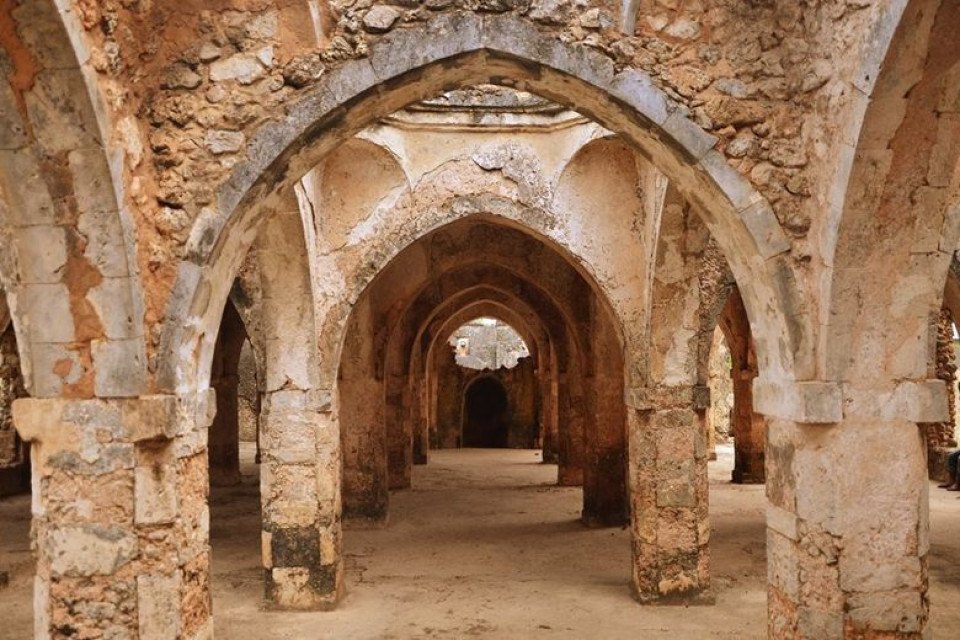
Kilwa Kisiwani is a historic island located off the south...
Tarangire National Park is a stunning wildlife sanctuary...
The Ngorongoro Conservation Area is a UNESCO World Herita...
Serengeti National Park is one of the most famous wildlif...
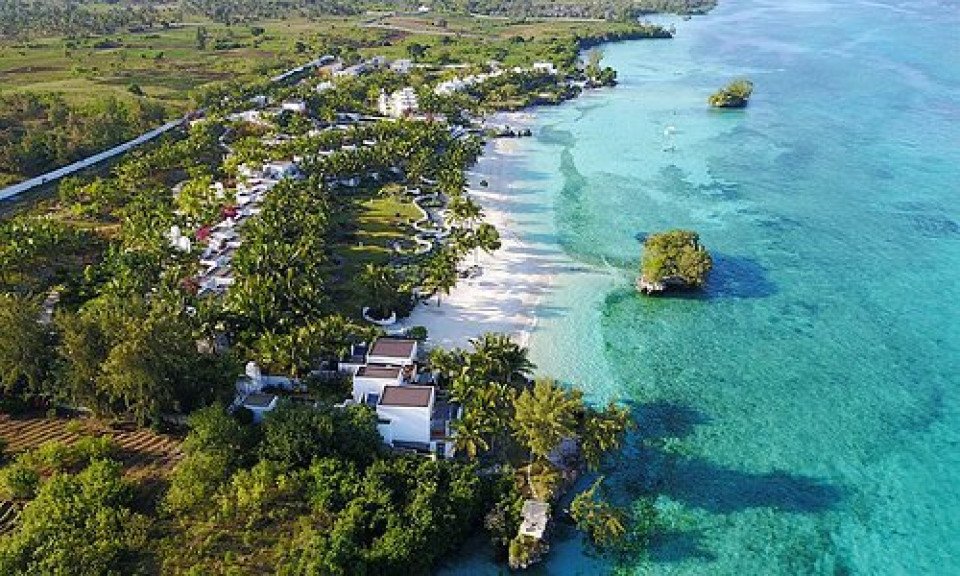
Fanjove Island is a pristine and secluded paradise locate...
Situated on the Zambezi river at the border between Zambi...
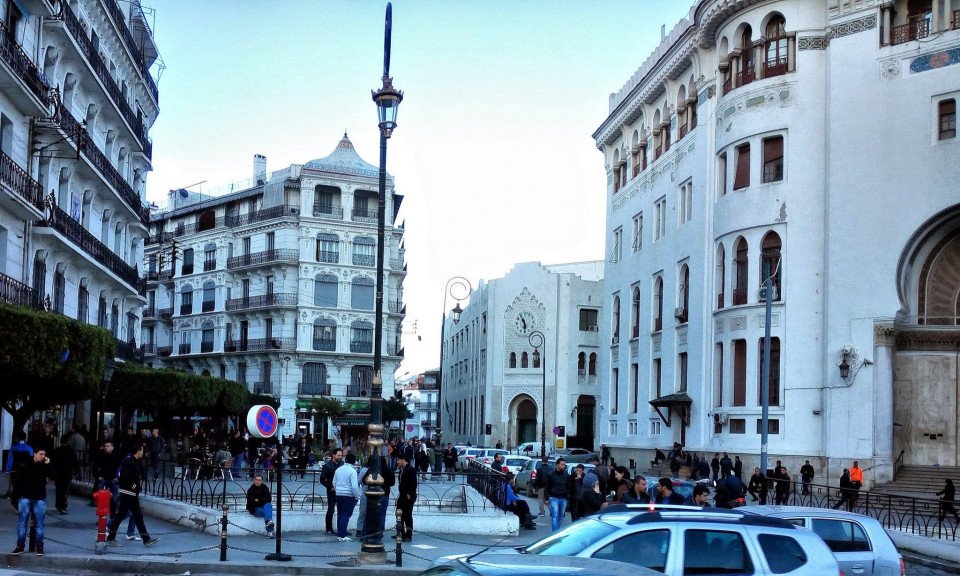
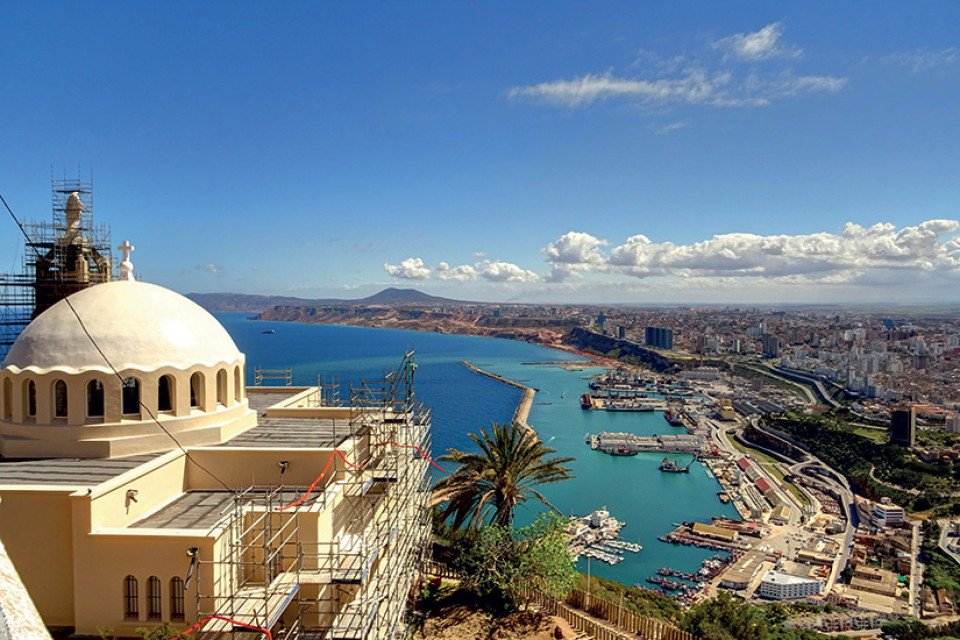
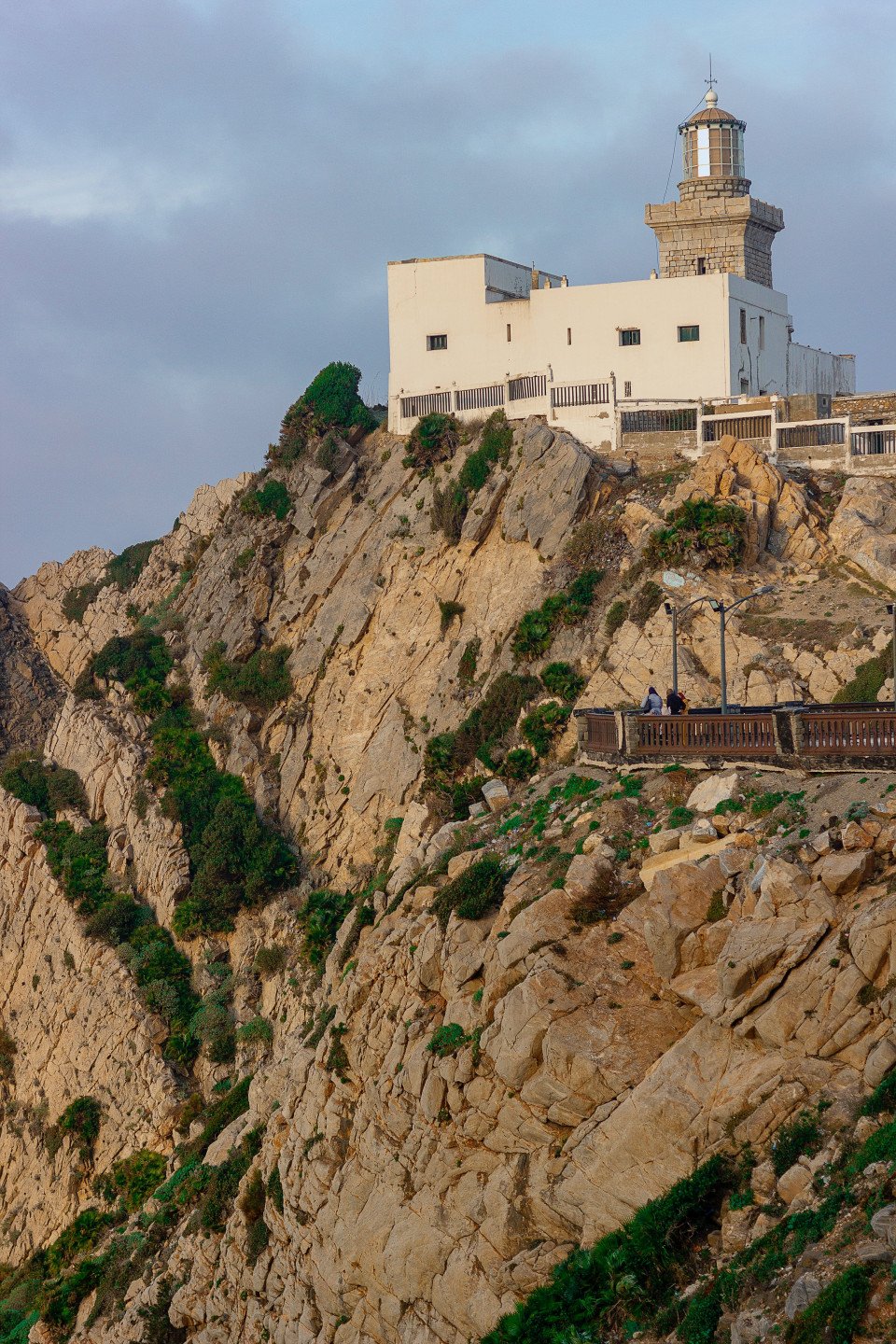
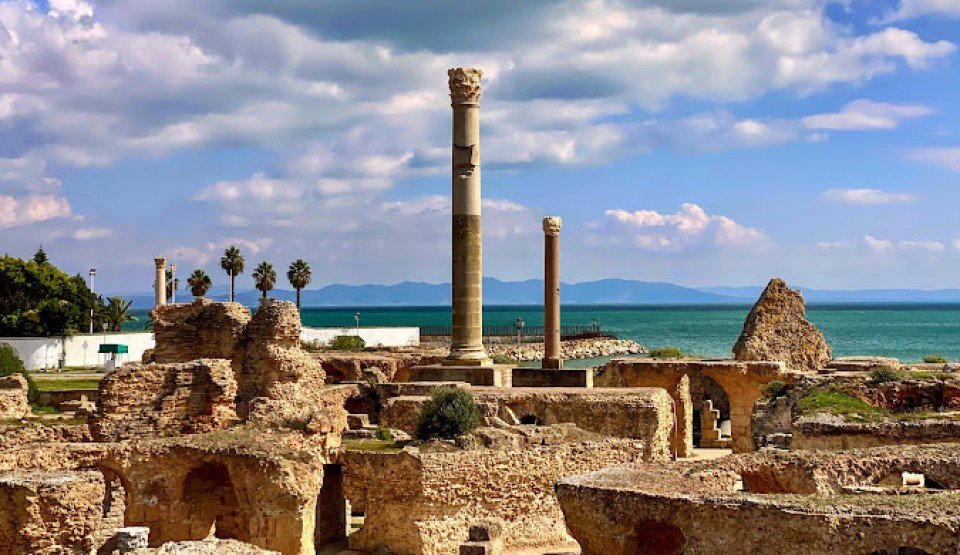
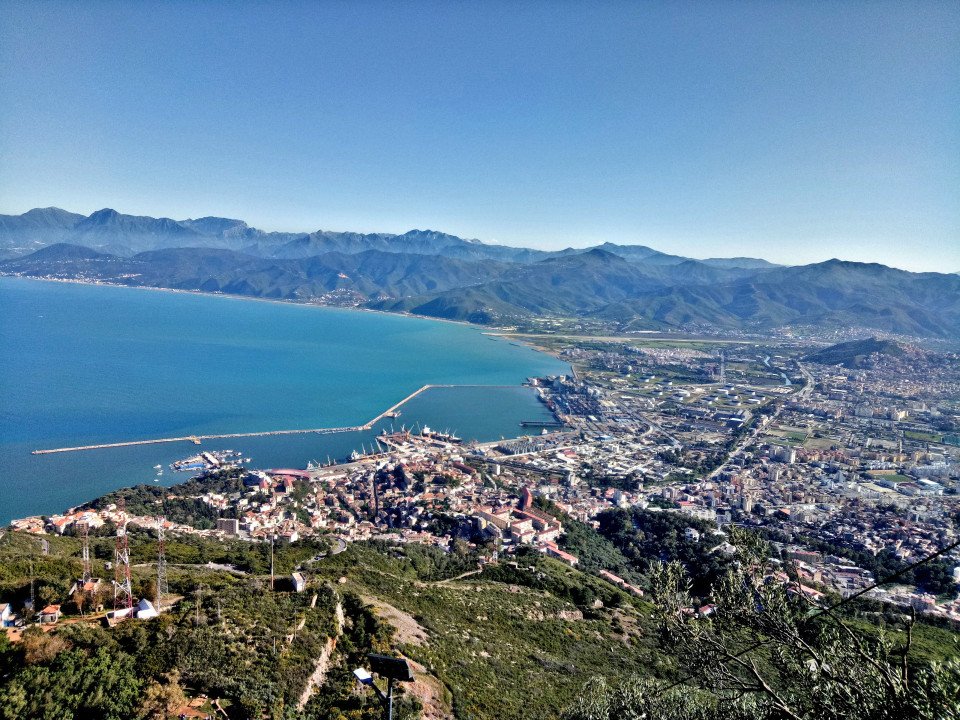
The capital and largest city of Algeria is also known as ‘Algiers the White’ for its gleaming white buildings, but its name is derived from the Arabic word meaning ‘the islands’, taken from the four islands which became part of the mainland in 1525. Founded in 944 AD, the city was annexed by the Ottoman Empire in the 16th century, and became the chief seat of the Barbary pirates who made their mark on a Mediterranean that was increasingly controlled by Europeans. Algeria became a French colony in 1830 and remained so until 1962 after a bitter struggle for independence. Please note that passengers may only disembark the ship on an organised excursion, and must remain with their guide at all times during the tour. ALL ALGIERS EXCURSIONS MUST BE PRE-BOOKED AT LEAST THREE WEEKS BEFORE SAILING: THEY CANNOT BE BOOKED ON BOARD. All tours are accompanied by a police escort to aid smooth passage through traffic. Due to immigration restrictions, customers must be assigned to a particular coach before sailing and this rule must be adhered to. Binoculars may not be brought ashore in Algeria. Passengers holding an Israeli passport or a passport containing an Israeli visa may be refused entry.
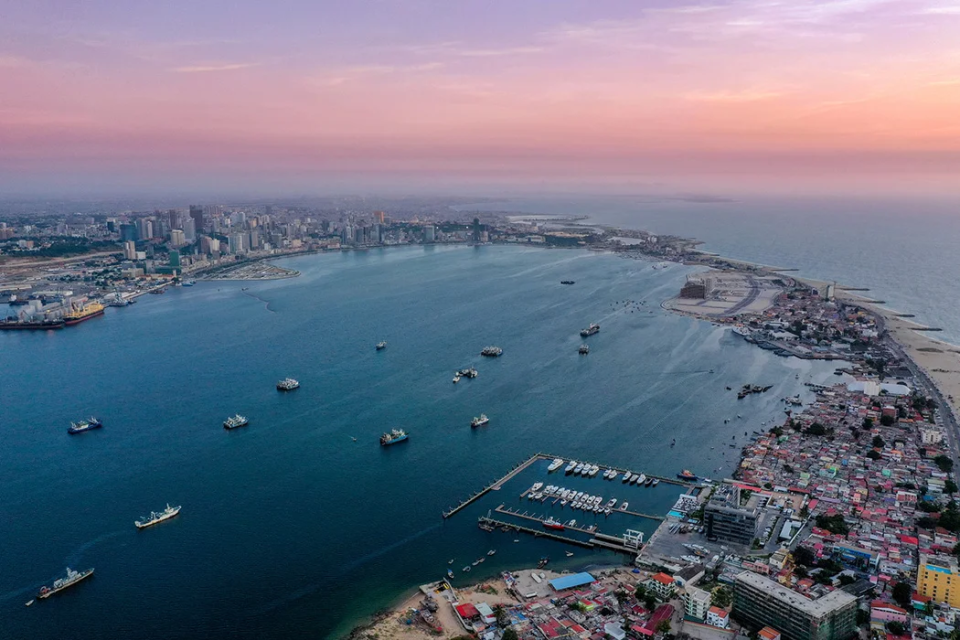
To visit Luanda is to witness the inhabitants of Angola rebuild a great city with their newly-acquired wealth. The sense of pride and confidence is overwhelming, and is demonstrated by the city’s new highways and skyscrapers, and by the wildlife and habitat rehabilitation programmes being carried out by the conservation authorities. The modern city of Luanda was founded in 1575 by Portuguese explorer Paulo Dias de Novais, and soon became a centre for trade between Portugal’s African colonies and Brazil. Apart from a short period of Dutch occupation, Luanda was under Portuguese rule until 1974. In the four decades since independence, Angola has become a peaceful and increasingly prosperous country, rich in diamonds and Africa’s second largest oil producer: many international companies now have head offices in Luanda. Please note: Owing to the destruction caused to the country’s infrastructure during the civil war that ended in 2002, Angola lost much of its ability to produce and distribute food: the resulting heavy import duties and high taxes have driven up the cost of goods and services, making Luanda one of the world’s most expensive cities. The price of excursions in this port reflects the prevailing local conditions.
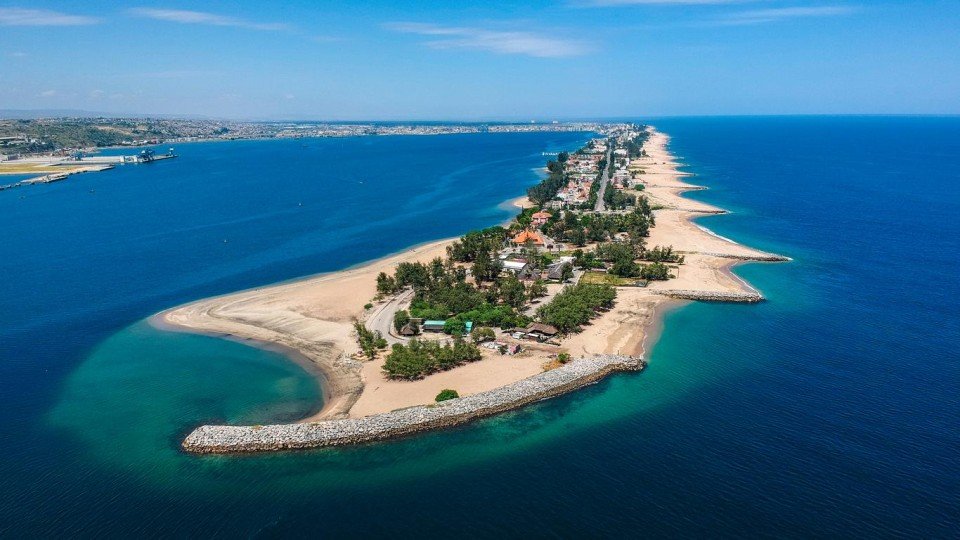
About equidistant from the Democratic Republic of Congo and Namibia on Angola’s stunning coastline lies Lobito, a small town in the Benguala Province. Long under Portuguese colonisation, the city suffered somewhat — albeit it less than the country’s capital Luanda, during the long, drawn out civil war of 1975-2002. However, Lobito has begun the rehabilitation process (primarily through funding from both China – who are implementing a railway system throughout the country and Brazil) and the grass roots of restoration have very definitely started. The result is a city in search of a new identity, whose natural resources include unspoilt tropical Atlantic beaches, vast national parks and a chequered heritage of Portuguese rule and struggle for independence.
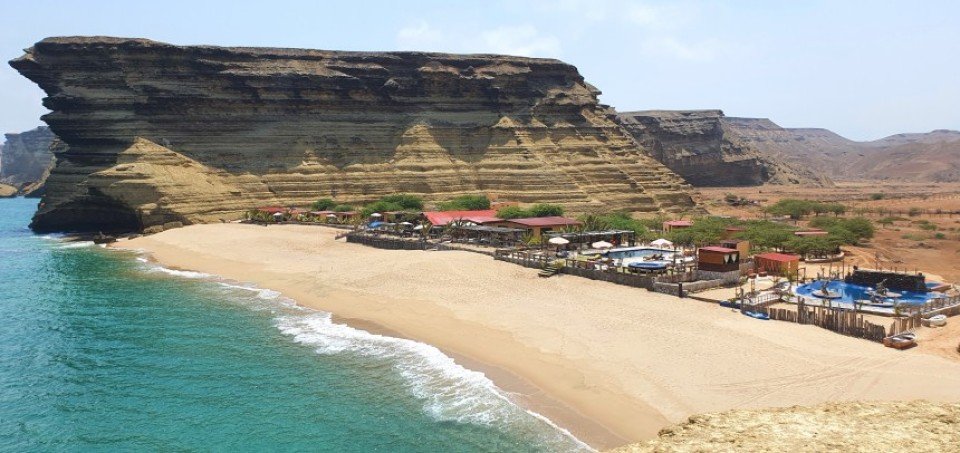
Namibe is a coastal city of baroque architecture and stately churches in southwestern Angola. The city was founded in 1840 by the colonial Portuguese administration. Namibe is perched between the edge of the expansive Namib Desert and the cold waters of the Benguela Current flowing to the north offshore. Thanks to the blend of cool water and proximity to the desert, Namibe has a cool dry climate and desert vegetation. The most famous of these desert plants is the Welwitschia mirabilis, a rare plant found only in the Namibe Provence of South Angola and the Namib Desert. This exceptional plant species is generally considered to be one of Earth’s older living plants and experts suggest that it can live up to 1,000 years. Close to Namibe is the Arch Lagoon, also known as “the lost oasis”. The lagoon is formed by a magnificent rock formation in a unique display of art in nature. Despite its name the lagoon is usually dry in Spring.
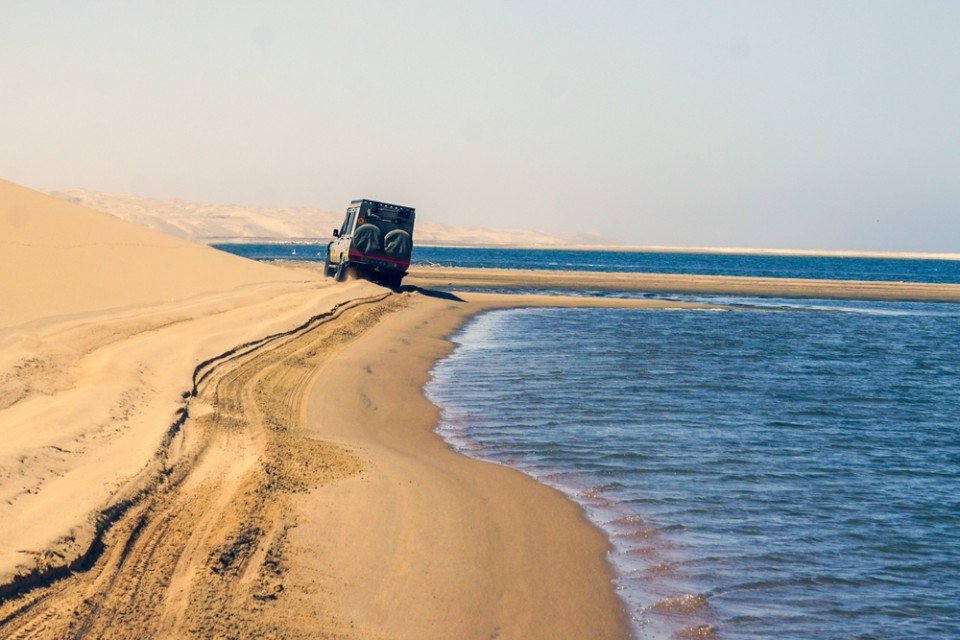
Baía dos Tigres, located on Angola’s southern coast, offers a peaceful and scenic escape for visitors. Known for its pristine beaches, rugged cliffs, and rich wildlife, it provides a tranquil setting for nature lovers and those seeking an off-the-beaten-path destination. Visitors can enjoy activities like boat tours, hiking, and cultural experiences in nearby villages. Though the port has limited facilities, its serene atmosphere and stunning views make it a unique and memorable stop.
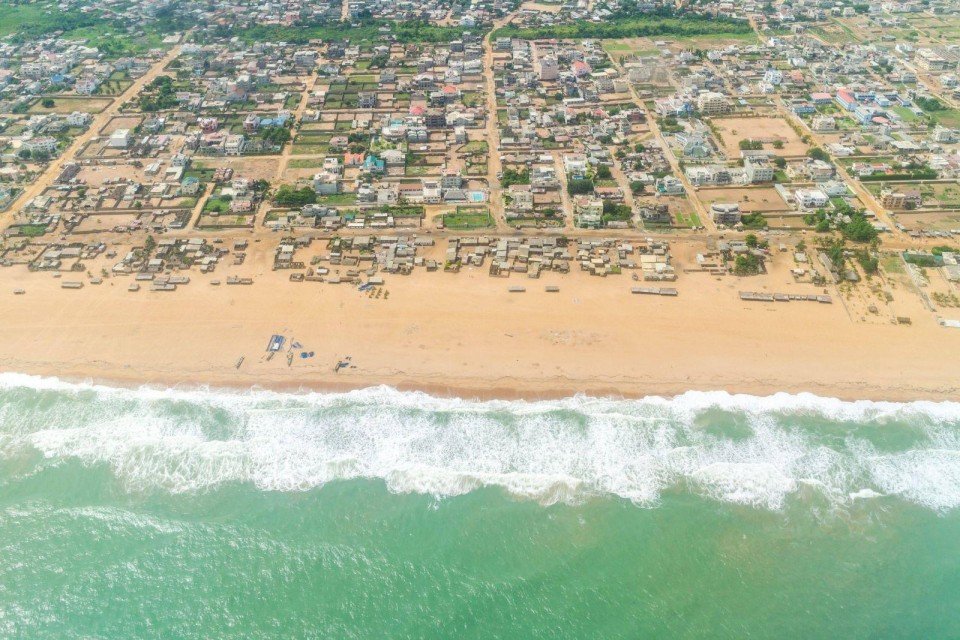
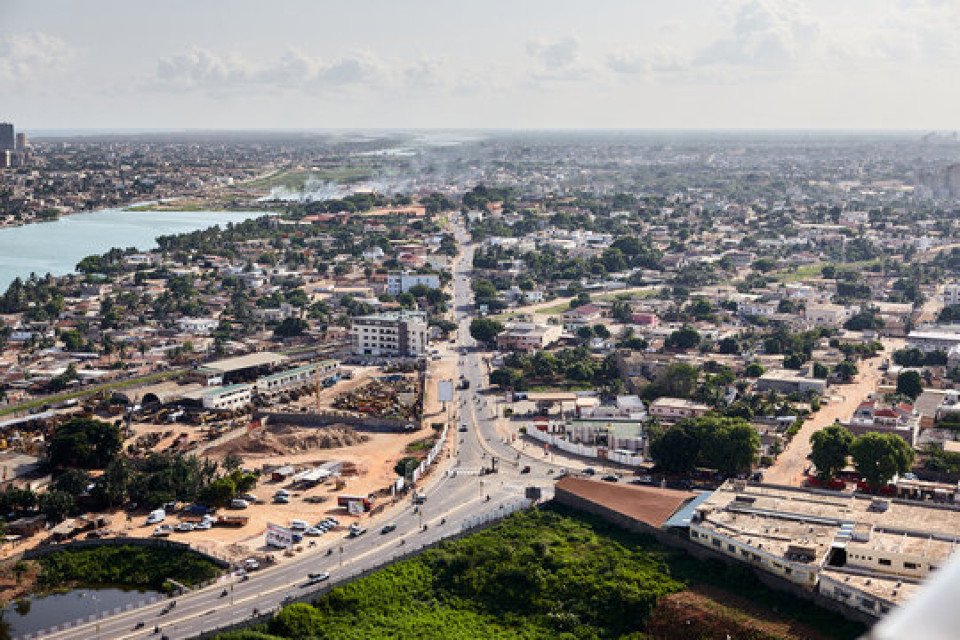
Tucked between Nigeria and Togo in Benin is the busy trading port of Cotonou. Named a “market town” for its coastal placement and lucrative palm oil and textile trades, Cotonou is a sprawling amorphous city, swaddled between the Atlantic coast and Lake Nakoué. Because of its especial geographical situation, Cotonou is bursting with life — visitors disembarking here will find a colourful port, alive with economic activity and very much the capital (although not in name, the official capital is Porto-Novo to the east) of the trading industry.
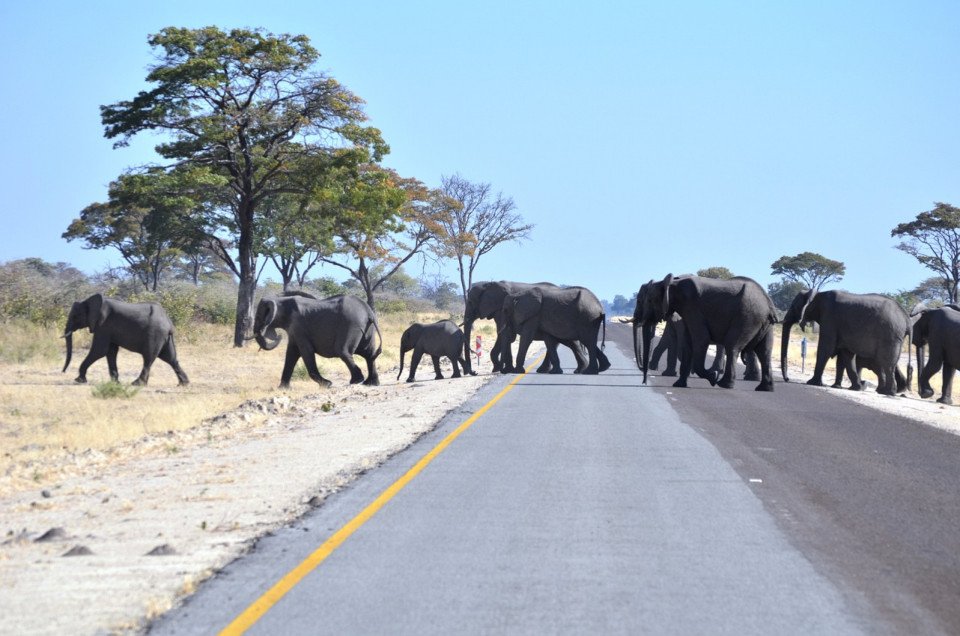
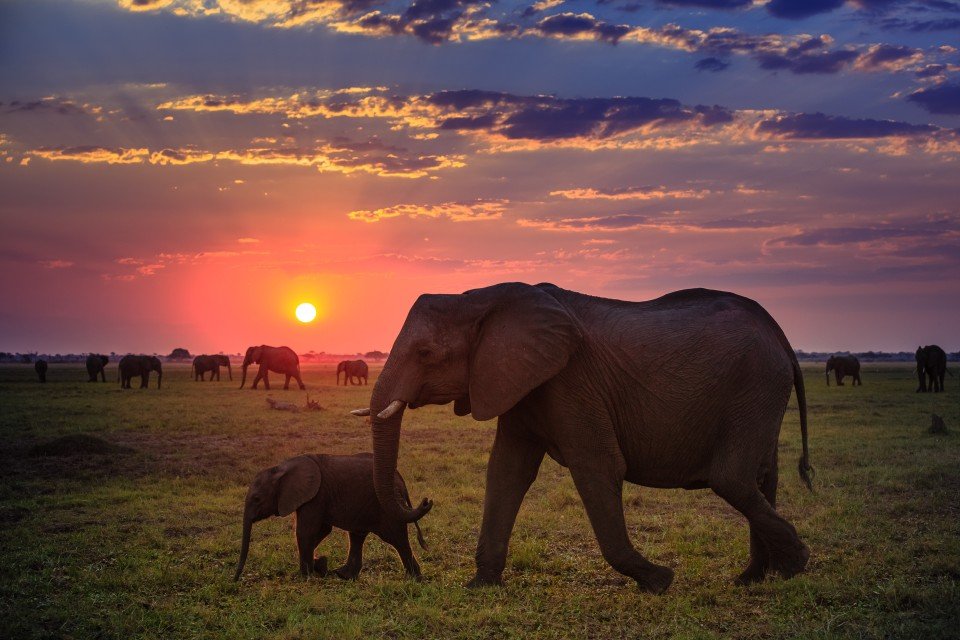
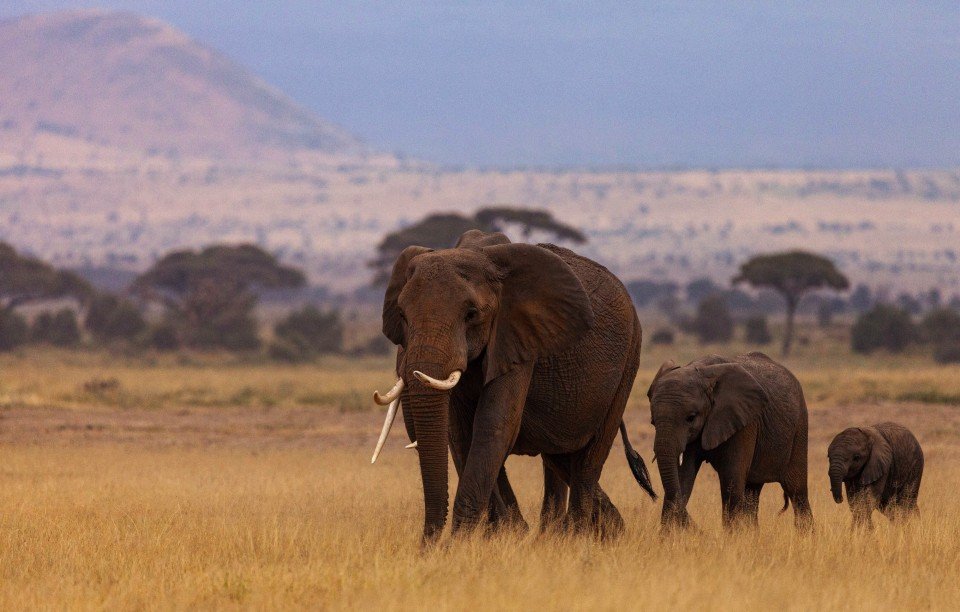
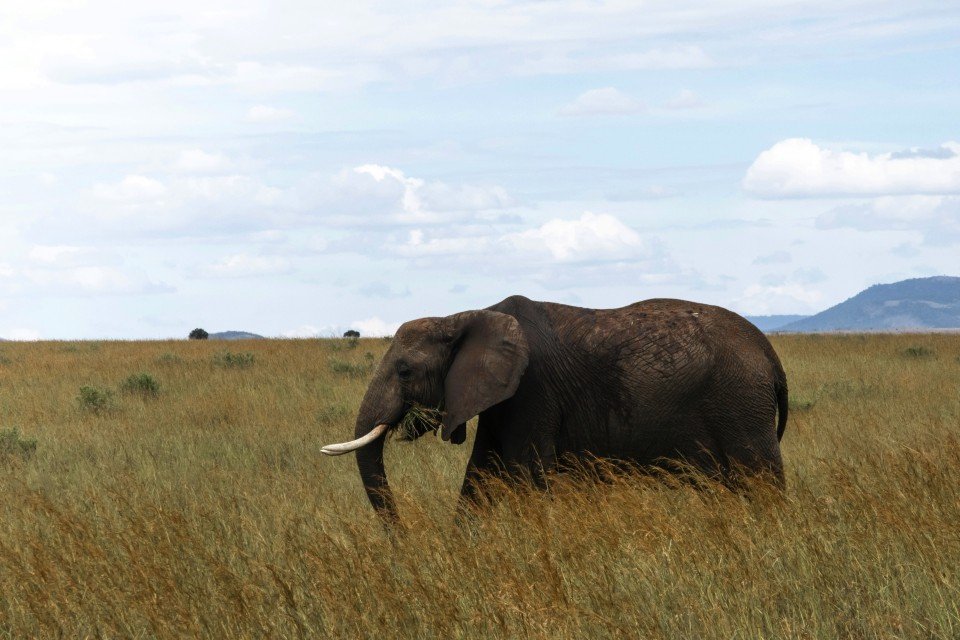
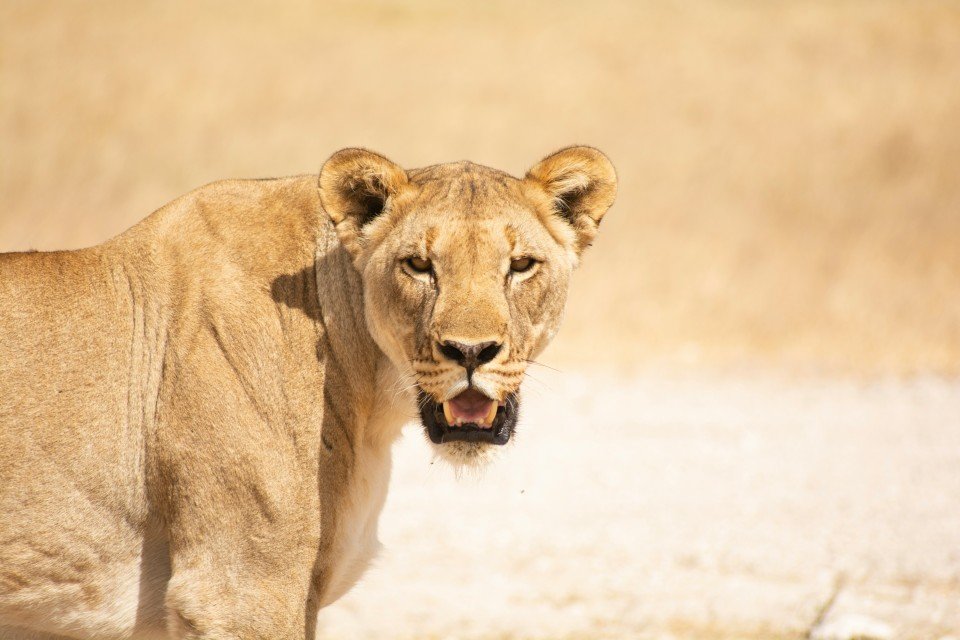
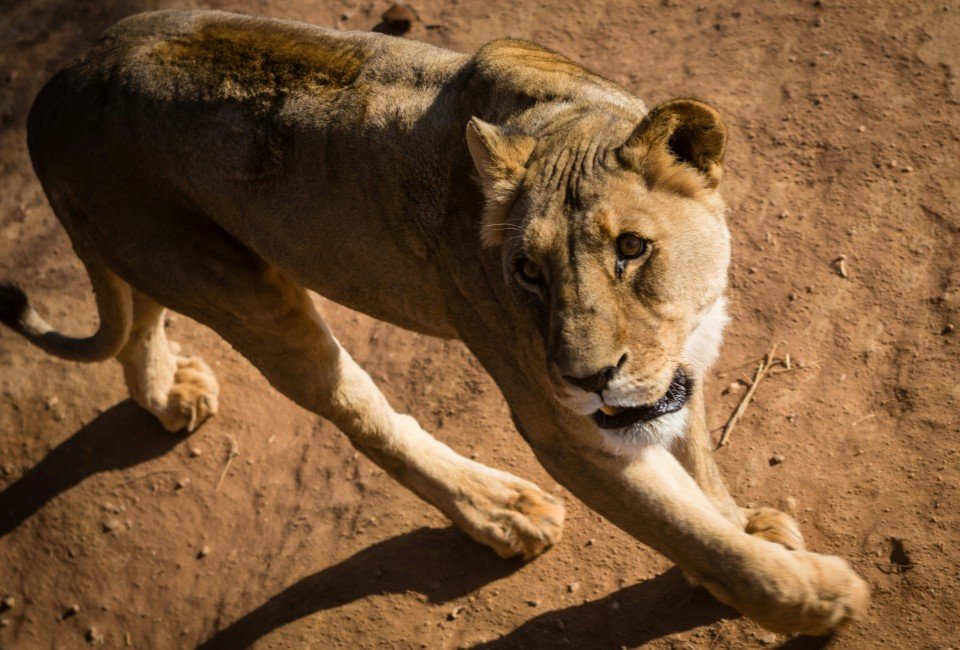
Chobe National Park, located in Botswana, is renowned for its incredible wildlife and diverse ecosystems, covering over 11,700 square kilometres. Famous for having one of the largest elephant populations in Africa, the park also boasts an abundance of other wildlife, including lions, leopards, and various antelope species. Visitors can enjoy activities such as game drives and boat safaris on the Chobe River, which is a hotspot for birdwatching with over 450 species. As part of the Kavango-Zambezi Transfrontier Conservation Area, Chobe plays a crucial role in wildlife conservation, making it a top destination for nature lovers and adventure seekers alike.
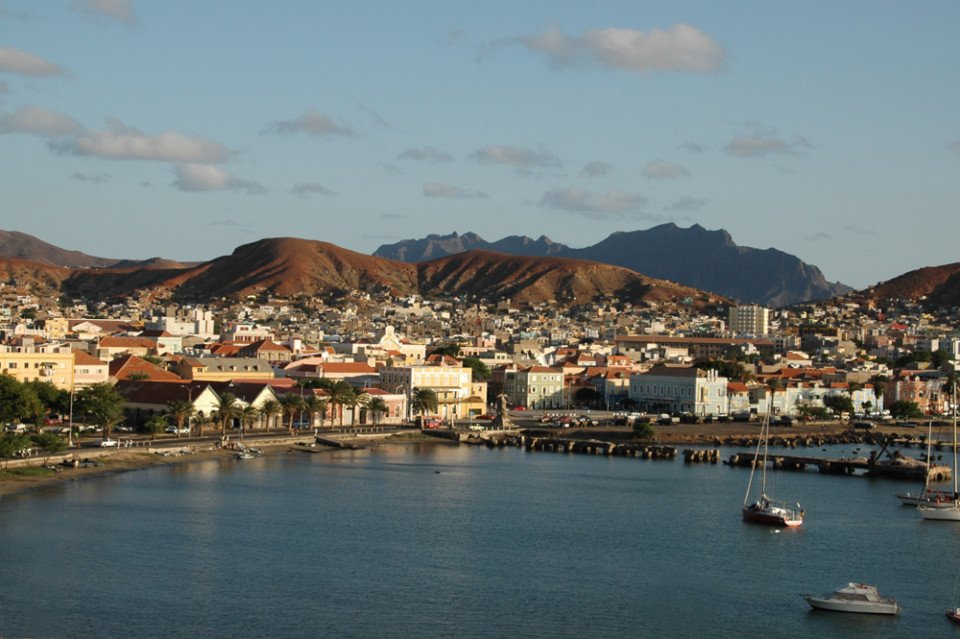
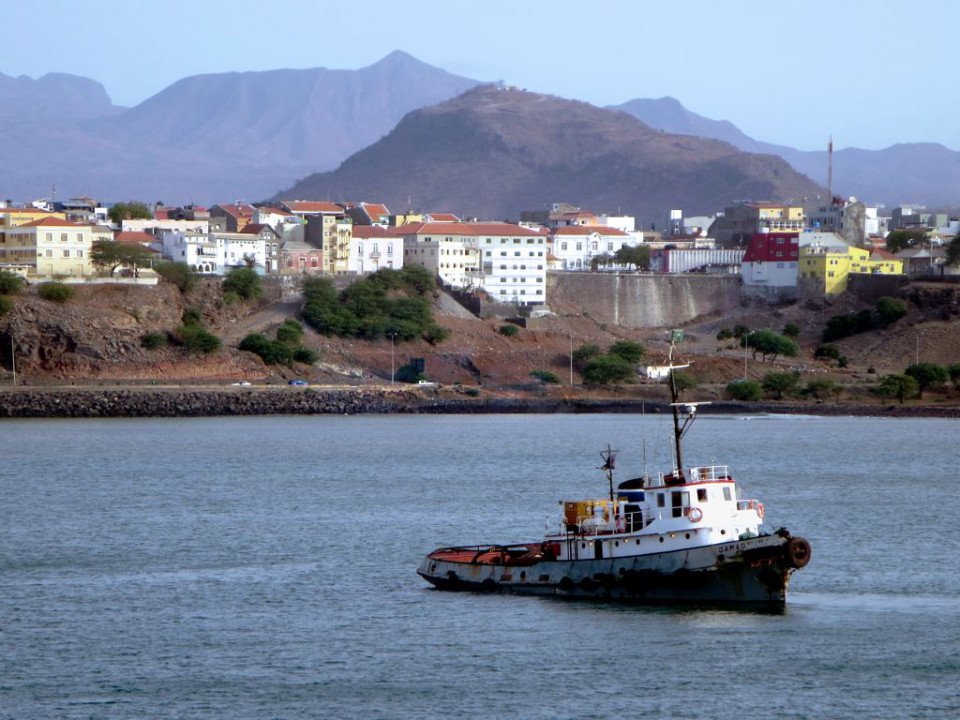
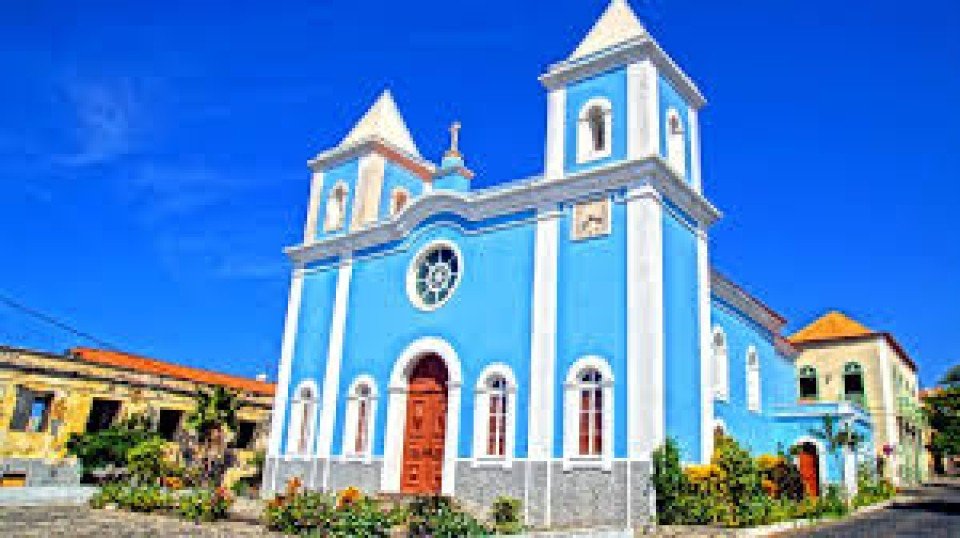
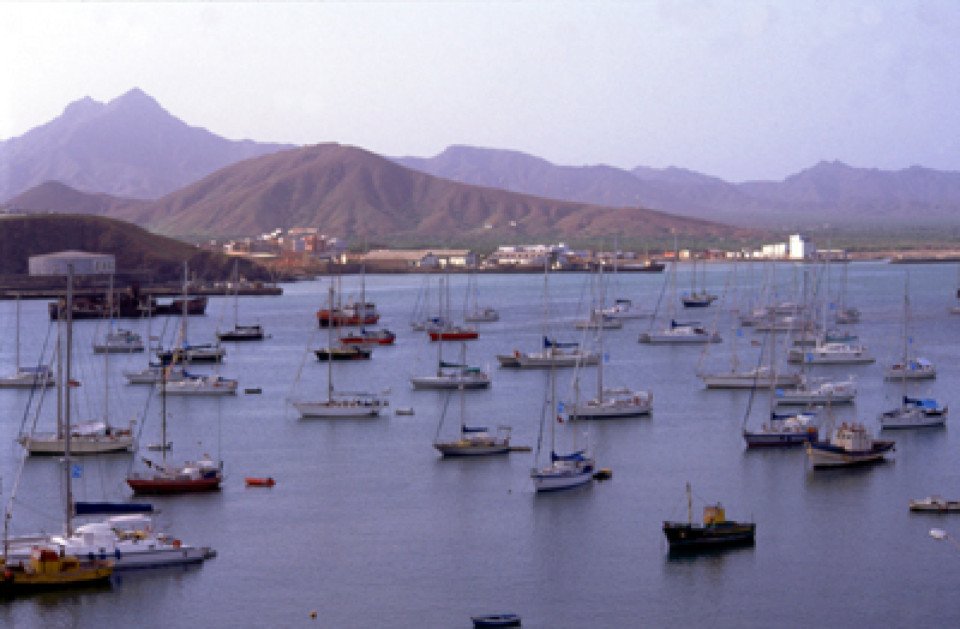
Your next stop will be Cape Verde’s cultural capital, Mindelo. Get along with the locals listening to the real morna in the bars of the old town and sipping the local drink, a sugarcane spirit. This island is also known by its British and Portuguese colonial architecture and pastel-coloured houses, the municipal market and the facades of the old Governor’s Palace.
Start your Expedition Cruise in Praia, the capital of Cape Verde, located in the south of Santiago Island. You can explore its old centre overlooking the ocean and its historical buildings with transom windows. In the old quarter, you can also learn about the diversity of the archipelago’s cultural origins in the Ethnographic Museum. To finish your day, head to the harbour to visit the Diogo Gomes statue, paying homage to the man who discovered the archipelago in 1460.
The volcanic island of Fogo is probably the highest landmark of the archipelago. Ideal for hiking, Pico de Fogo has an immense caldera surrounding the active crater and traces of recent and old lava flows all around. Again, along the coast there’s plenty of options too: from the charming Mosteiros to the stylish colonial houses of the historic town of São Filipe, there’s a choice for everyone.
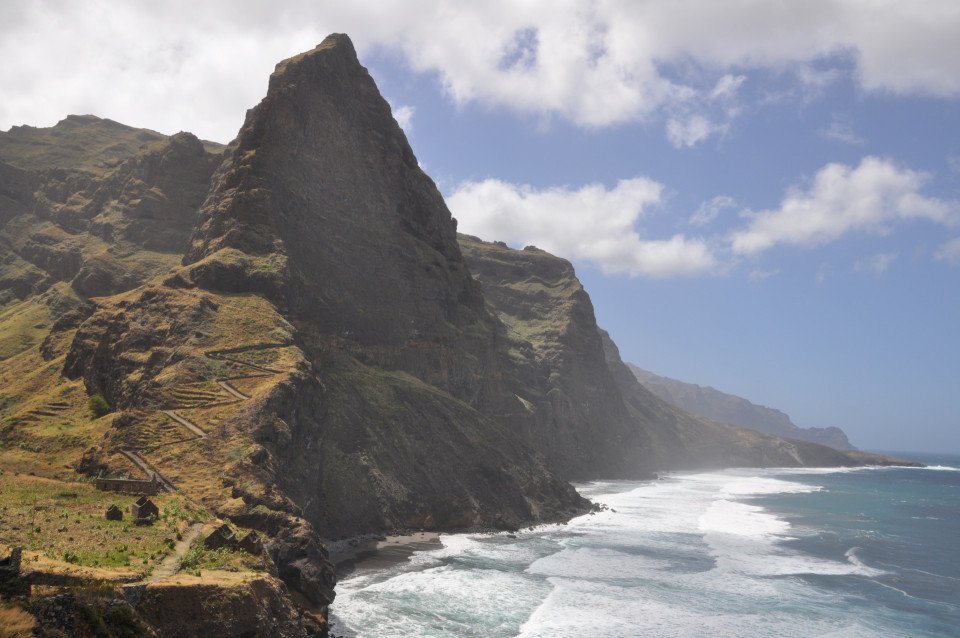
Porto Novo, the second largest city on Santo Antão, is located in the dry southeast of the island. A dusty wind blows constantly here. You can explore the main street with its former mansions, a little church, markets that have local fish, grogue and fresh goat cheese for sale, shops and-of course-the harbour. At the back of the town is the 2,000m-high Topo de Coroa, which is a fairly easy climb and has magnificent 360-degree views. Around the town, family-owned farms grow fruit and vegetables which are sold at regular markets in the town. There are some old churches from the Portuguese era, as well as a couple of elegant squares with pleasant bars and cafés, from which to watch the world go by.
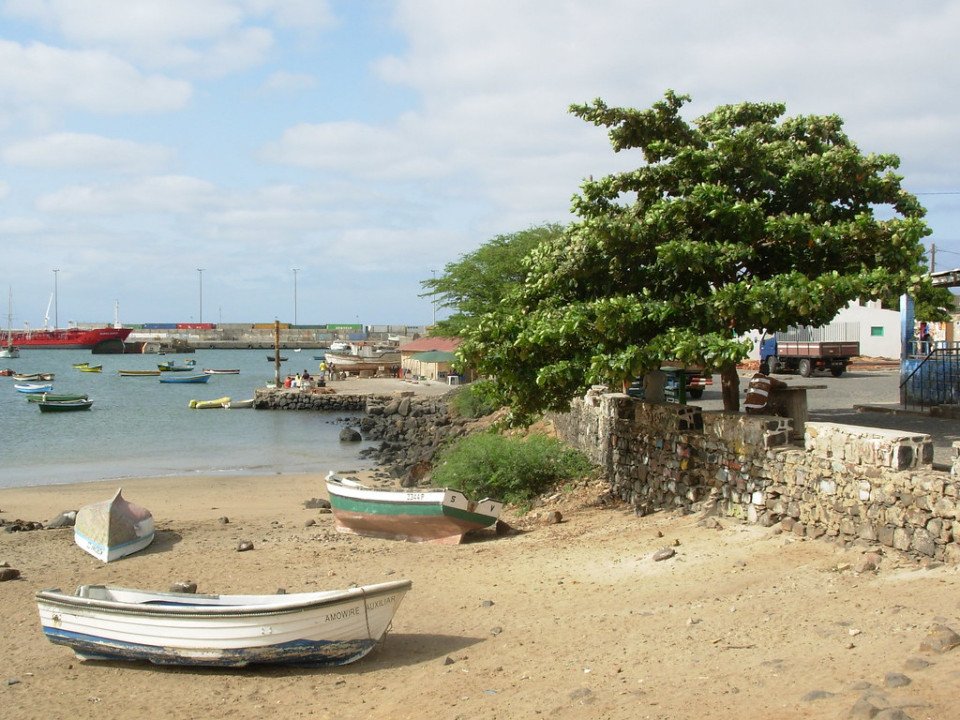
Palmeira is a charming fishing village located on Sal Island, Cape Verde, known for its vibrant culture and stunning coastal scenery. With its picturesque harbour, the village is a hub for local fishermen and offers a glimpse into traditional Cape Verdean life. Visitors can enjoy fresh seafood, explore nearby sandy beaches, and experience the laid-back atmosphere. Palmeira is also a gateway to various activities, including diving and water sports, making it a popular destination for both relaxation and adventure. Its unique blend of natural beauty and cultural richness makes Palmeira a captivating stop for travellers exploring Sal Island.
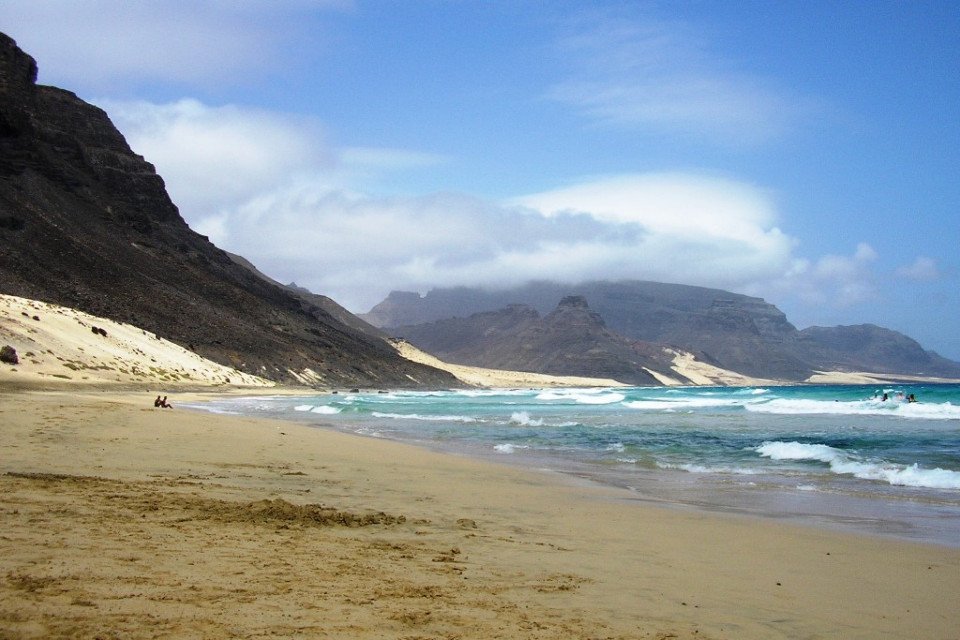
The crescent of volcanic islands which form the Cape Verde archipelago lie 310 miles off the Senegal coast. Despite the name (Green Cape), all the islands are barren, but they offer dramatic mountain scenery and pristine beaches. The Portuguese started colonising the islands during the 15th century and during the 16th century the archipelago became important for the supply of water and rations to boats sailing to America, Europe and Africa, and as a base for slave warehouses. The Cape Verde Islands obtained their independence from Portugal in 1975 and, although the isles may be African geographically speaking, they have retained a strong Latin flavour. Porto Grande, the port for Mindelo, is on the windward isle of São Vicente and covers an area of 88 square miles. Over 90% of the island’s inhabitants live in the capital of Mindelo, where the historic centre is characterised by old colonial houses and commemorative monuments. Please note that excursions from this port will be operated by basic minibuses: these vehicles are the best available, but lack air-conditioning, reclining seats and seat belts, and have no space for the storage of walkers or wheelchairs.
São Vicente Island, part of Cape Verde, is renowned for its vibrant culture and lively atmosphere, particularly in its capital, Mindelo. Known as the cultural hub of the archipelago, São Vicente is famous for its music scene, particularly Morna, and hosts numerous festivals throughout the year. The island boasts stunning landscapes, from rugged mountains to beautiful beaches, offering ample opportunities for hiking and water sports. Visitors can explore charming colonial architecture, indulge in local cuisine, and experience the warm hospitality of the island's residents. With its unique blend of culture, natural beauty, and vibrant community, São Vicente Island is a must-visit destination for travellers seeking an authentic Cape Verdean experience.
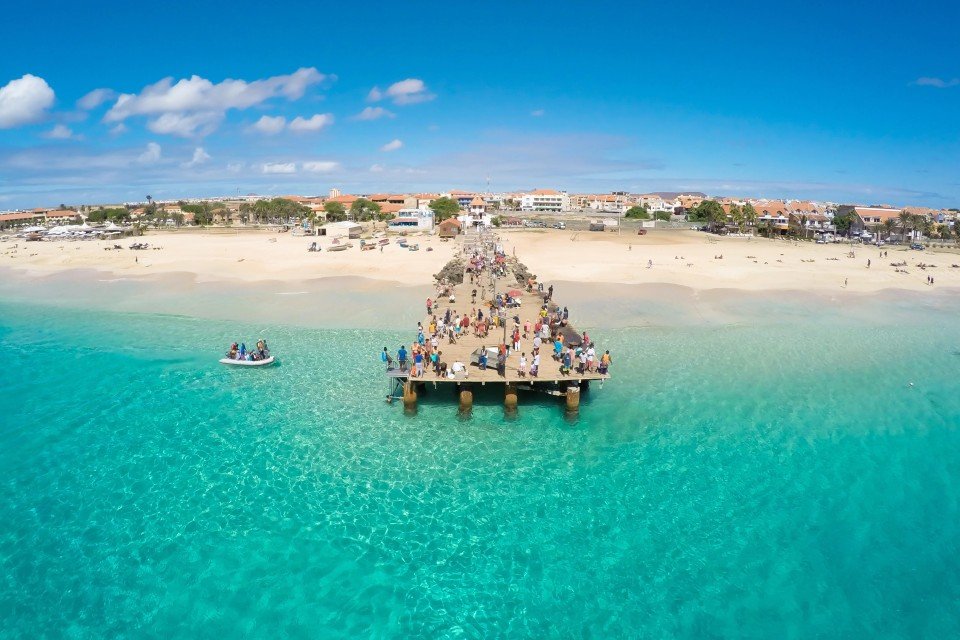
Santa Maria, located on the southern tip of Sal Island in Cape Verde, is a picturesque port town renowned for its stunning beaches, vibrant culture, and relaxed atmosphere. The port offers ample docking facilities for cruise ships, along with efficient customs services. Visitors can enjoy the town's colourful streets filled with shops and restaurants, partake in water sports like snorkelling and kite surfing, and immerse themselves in local music and dance. With its natural beauty and rich cultural experiences, Santa Maria is an inviting destination for travellers looking to explore the charm of Cape Verde.
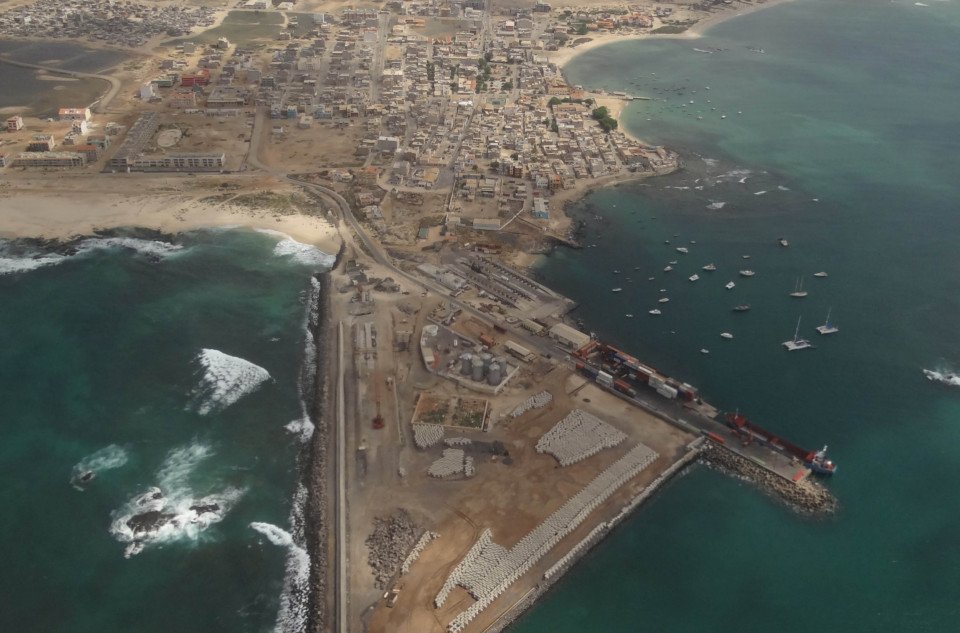
Boa Vista, one of the largest islands in the Cape Verde archipelago, is known for its breathtaking landscapes and pristine beaches. The port of Boa Vista serves as a gateway for cruise ships and travelers, featuring modern facilities that ensure smooth disembarkation and embarkation. Visitors are drawn to the island’s stunning sandy shores, such as Praia de Chaves and Praia de Santa Monica, perfect for relaxation and water sports. The island also boasts unique attractions like the dramatic desert landscapes of Viana Desert and opportunities for whale watching. With its blend of natural beauty and local culture, Boa Vista offers an unforgettable experience for those seeking adventure and tranquillity in Cape Verde.
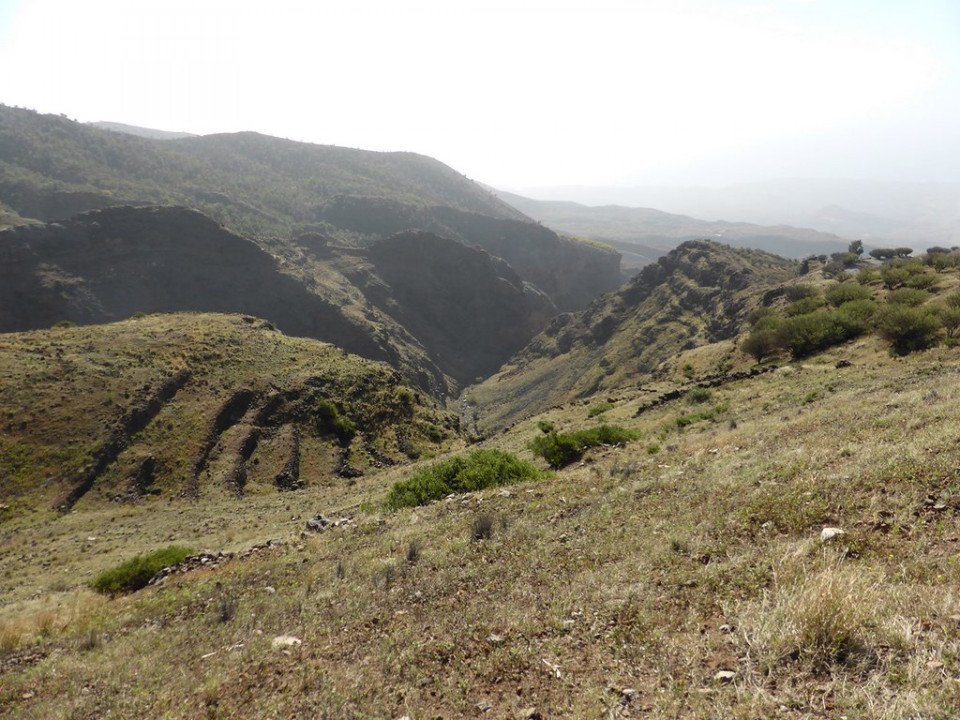
If you’re a mountain lover, this is your island. São Nicolau offers dramatic mountain landscapes that reach their peak at Mt Gordo. Enjoy the nature by hiking the mountain paths of Fajã or get more cultural in Ribeira Brava, which is the capital of the island and rests in a deep green valley close to the summit of Mt Gordo. If you are more of a coast lover, there’s also a great choice of things to visit, from the Blue Hole to the quiet Tarrafal beach and the charming fishing village of Preguiça.
Moheli, the smallest island in the Comoros archipelago, is celebrated for its pristine natural beauty and tranquil atmosphere. Known for its lush landscapes, white sandy beaches, and vibrant coral reefs, Moheli offers an idyllic escape for nature lovers and adventure seekers alike. The island is home to a variety of wildlife, including endangered sea turtles, and features the Moheli Marine Park, which is ideal for snorkelling and diving. With charming villages, rich cultural traditions, and a relaxed pace of life, Moheli provides a unique glimpse into Comorian heritage. Its unspoiled environment and welcoming locals make Moheli a hidden gem for travellers looking for a serene tropical getaway.
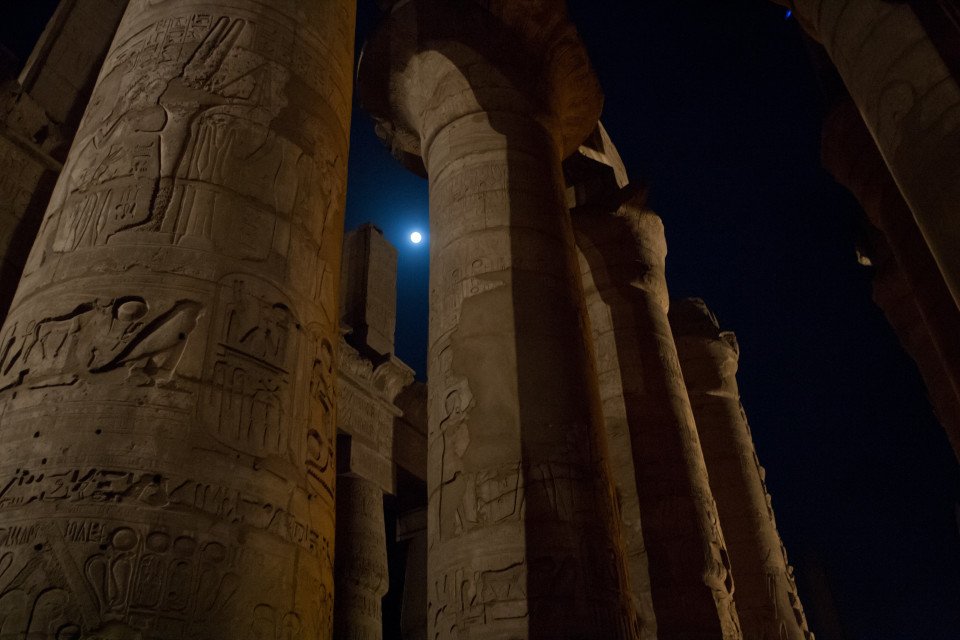
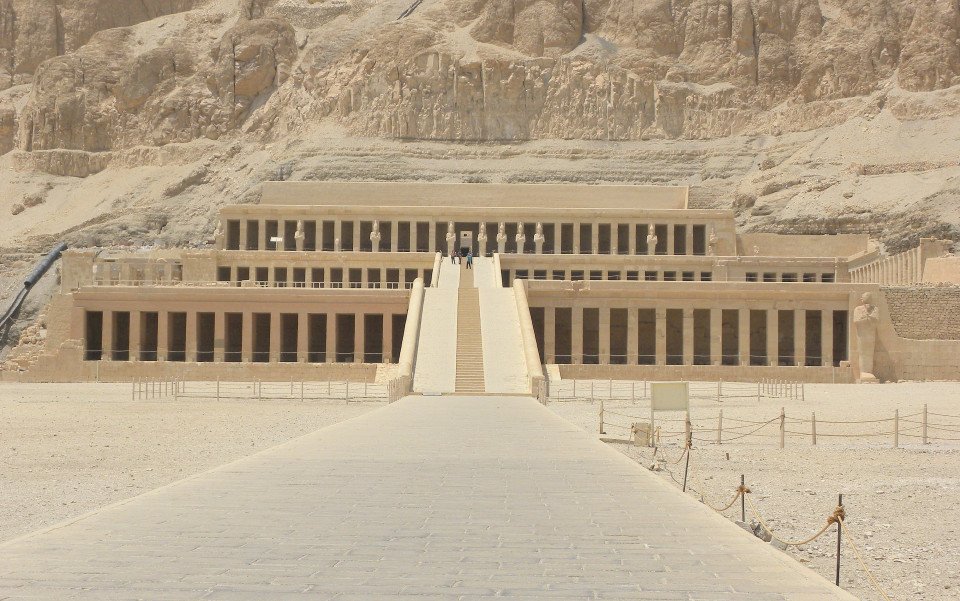
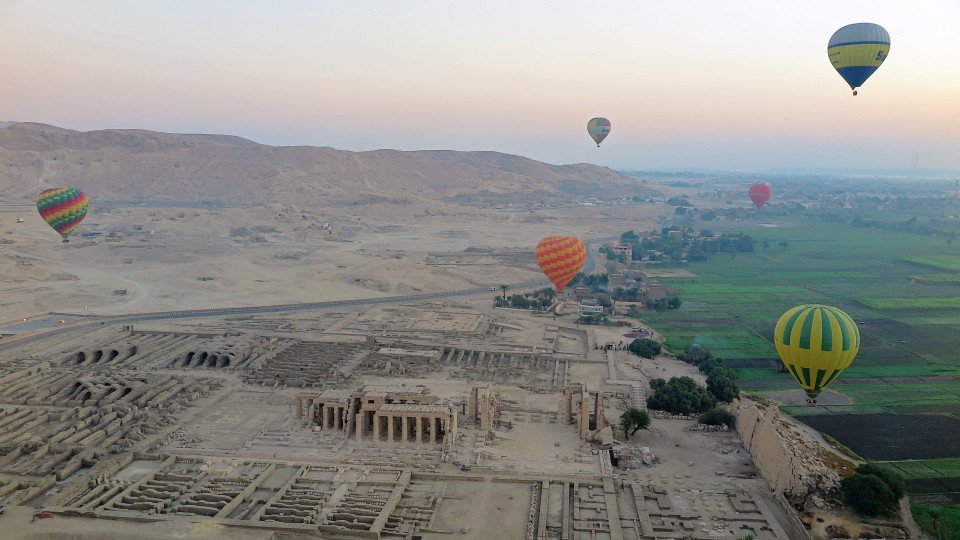
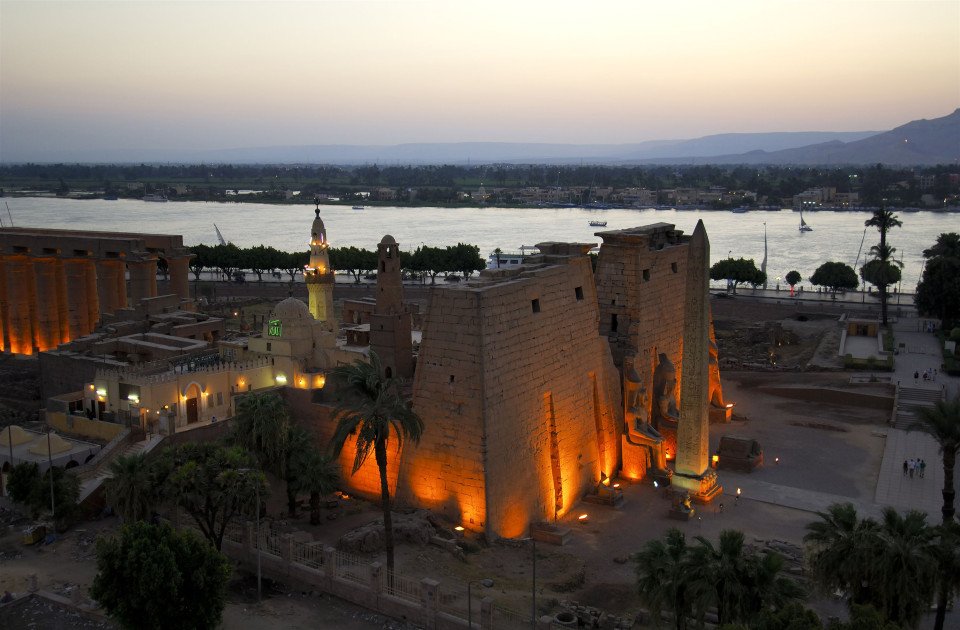
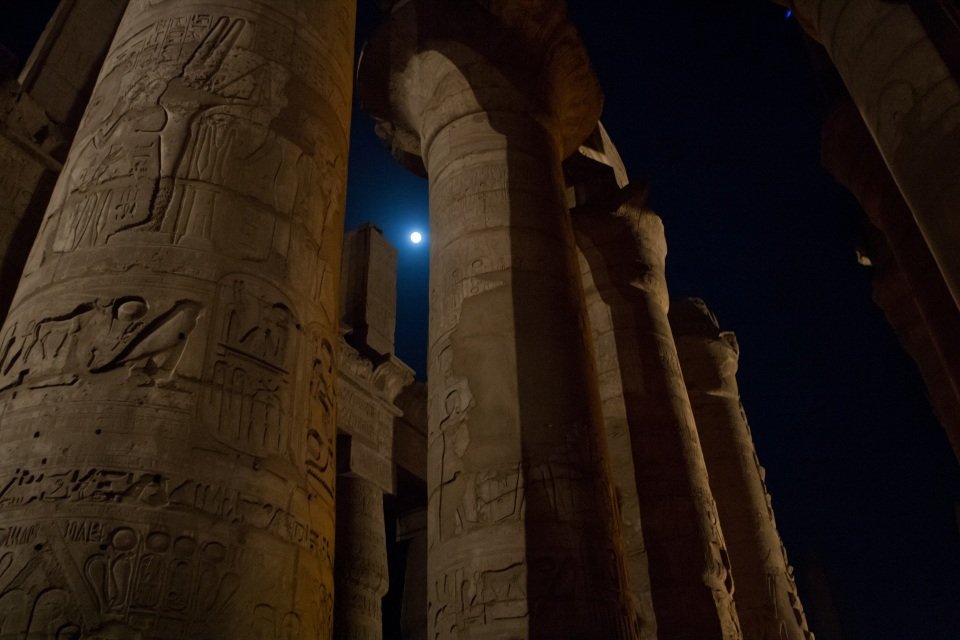
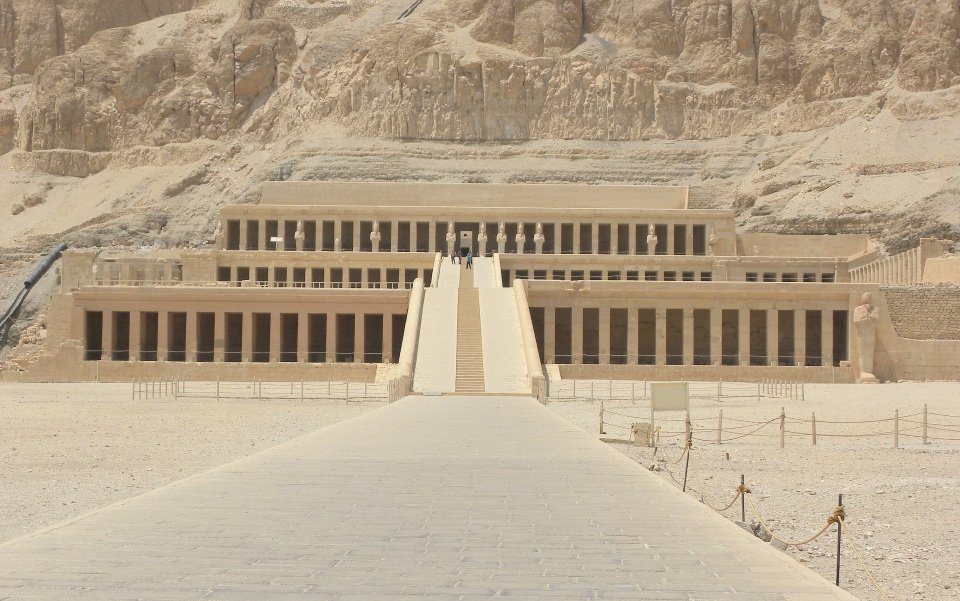
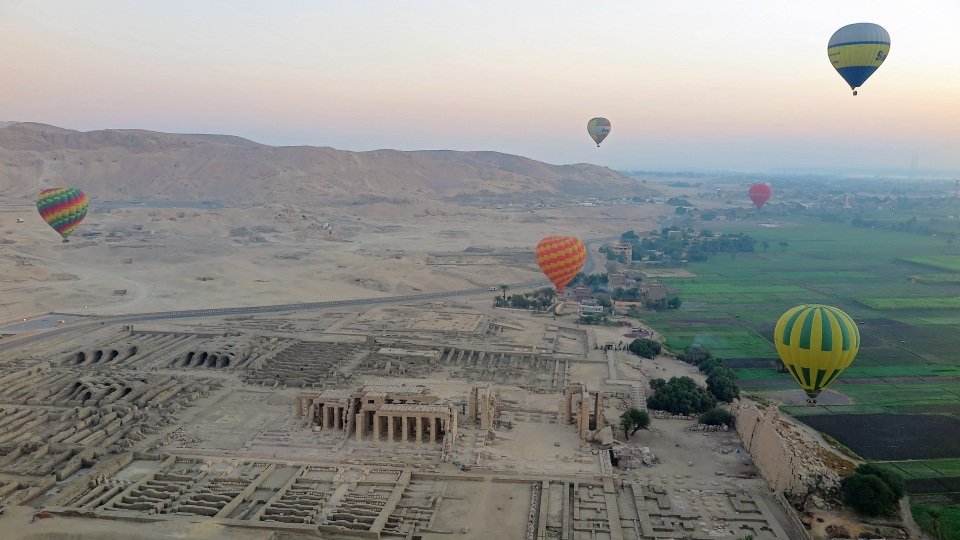
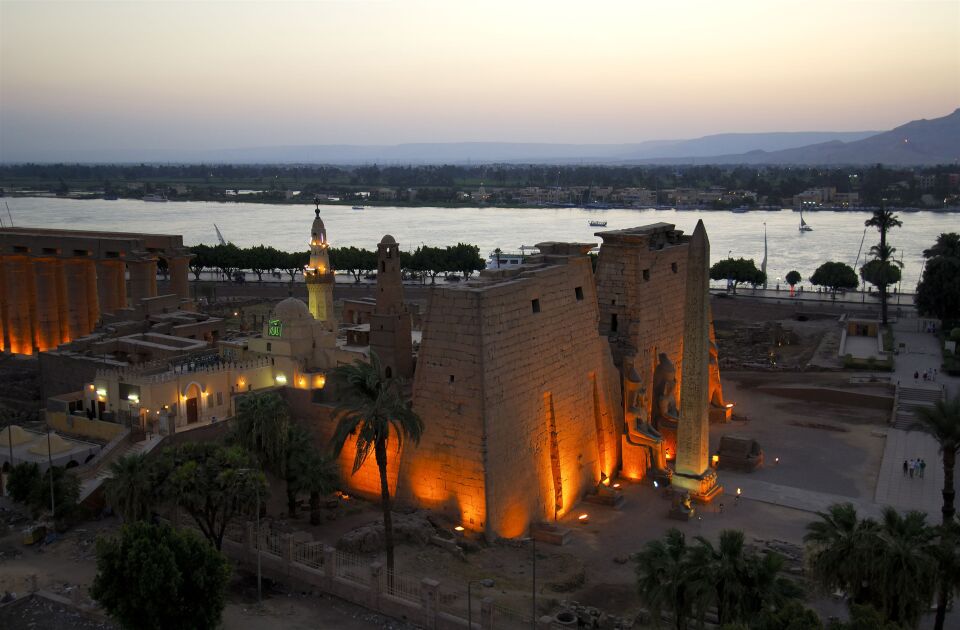
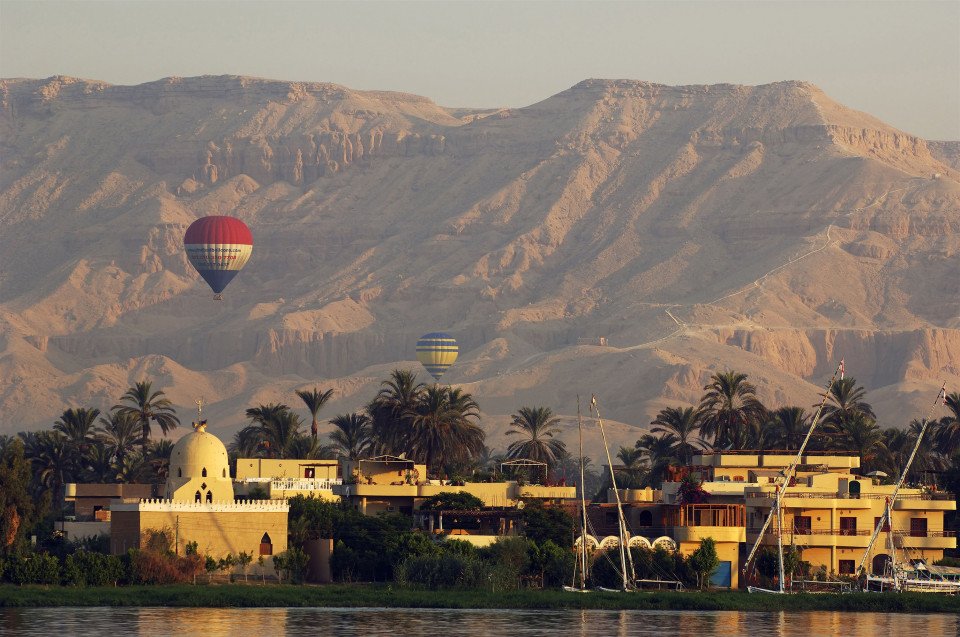
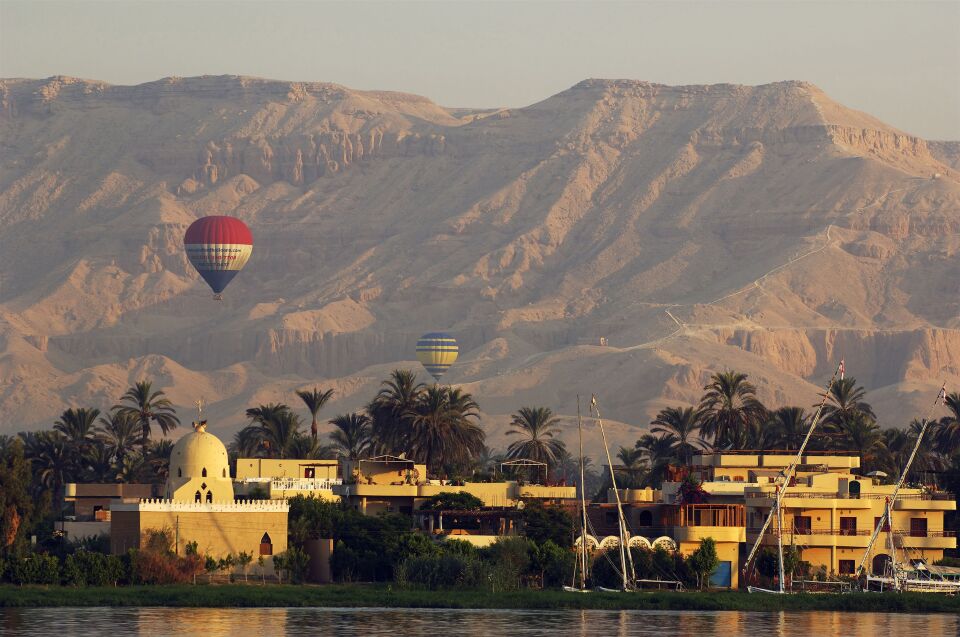
Since the early steamers visited Egypt in the nineteenth century, Luxor has remained a tourist hotspot. Situated on the east side of the Nile in the centre of The Nile Valley, Luxor is an ideal location for tours and trips to surrounding places of interest.
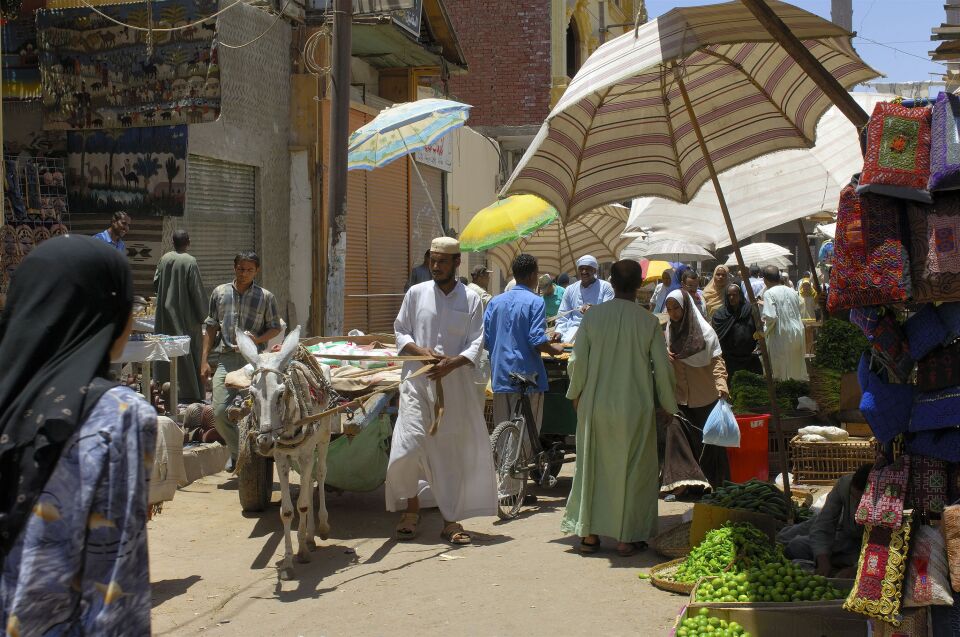
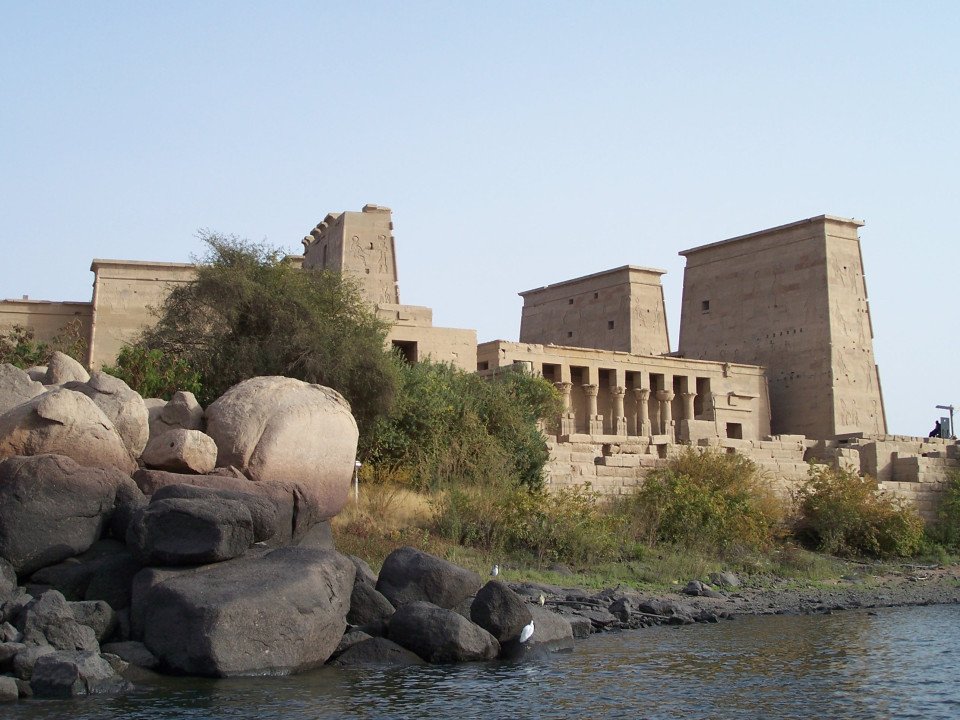
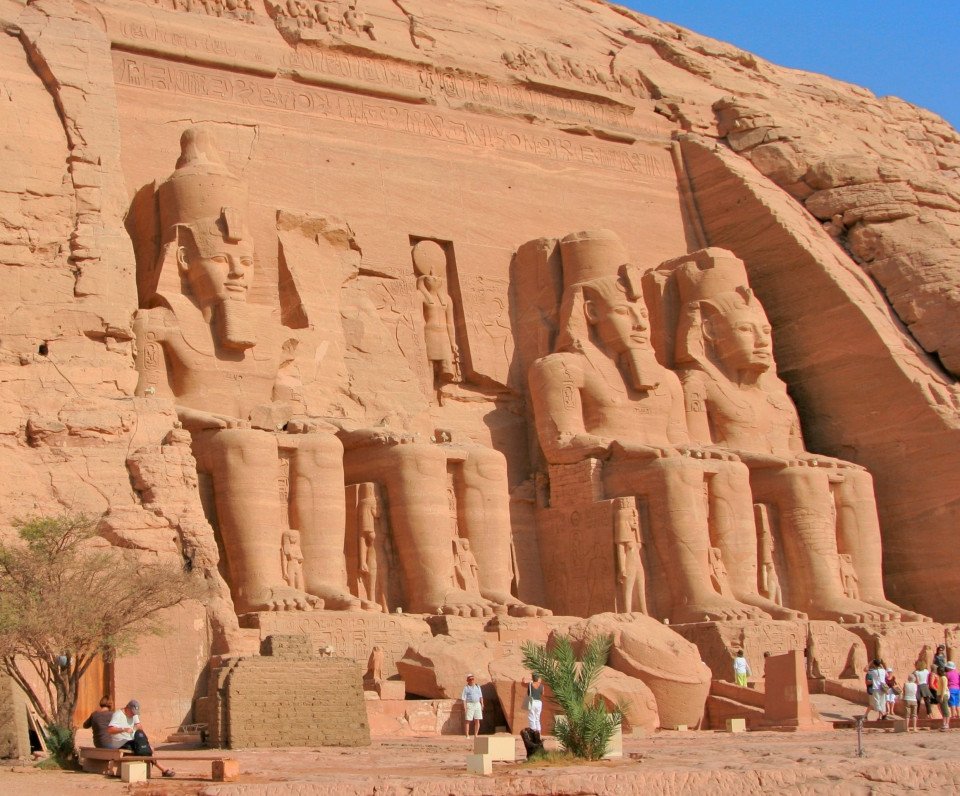
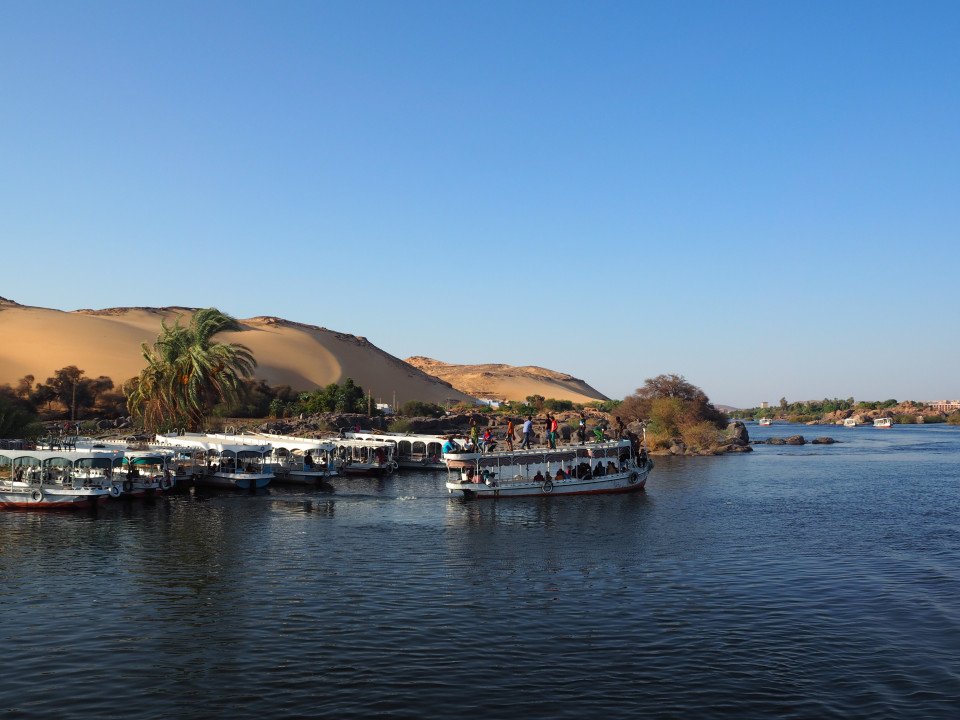
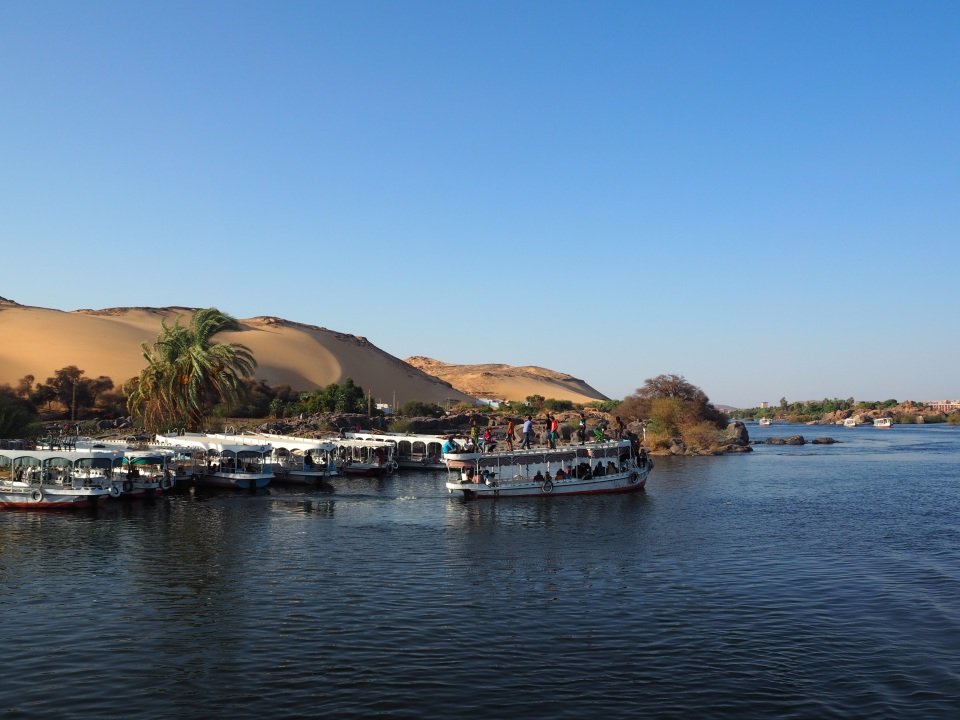
Aswan is Egypt’s southernmost city and remains hot and dry all year round. It is considered the most picturesque setting on the Nile and serves as a base for tourist excursions to many local sites of interest.
Esna is a city of Egypt. It is located on the west bank of the Nile some 55 km south of Luxor. The city was formerly part of the modern Qena Governorate, but as of 9 December 2009, it was incorporated into the new Luxor Governorate.
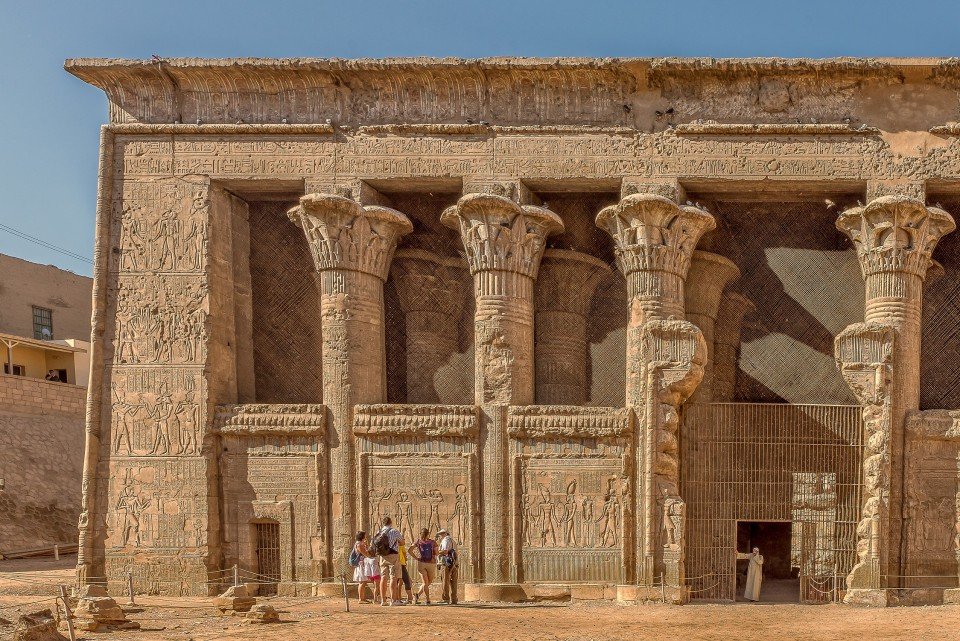
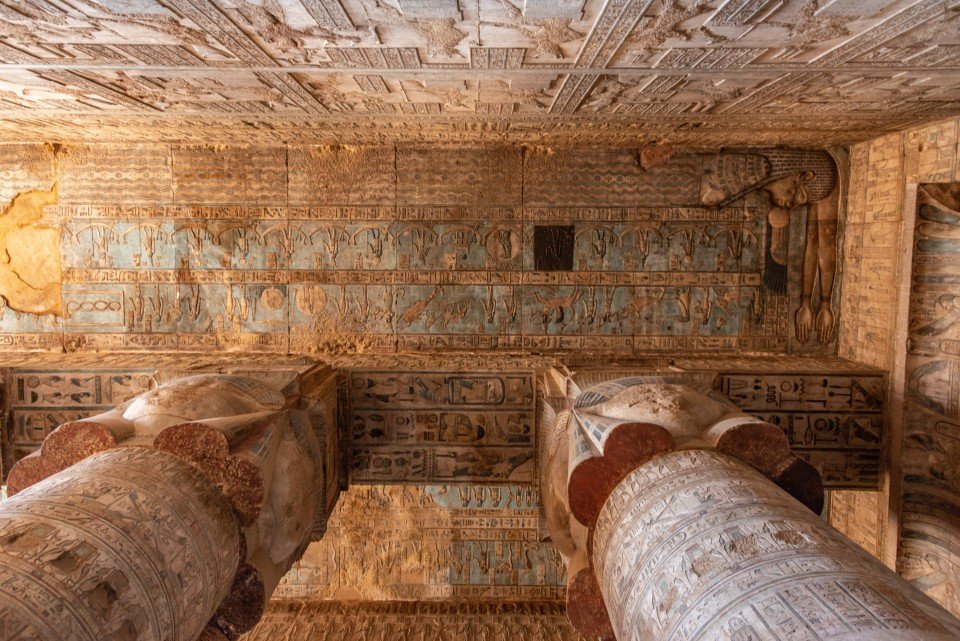
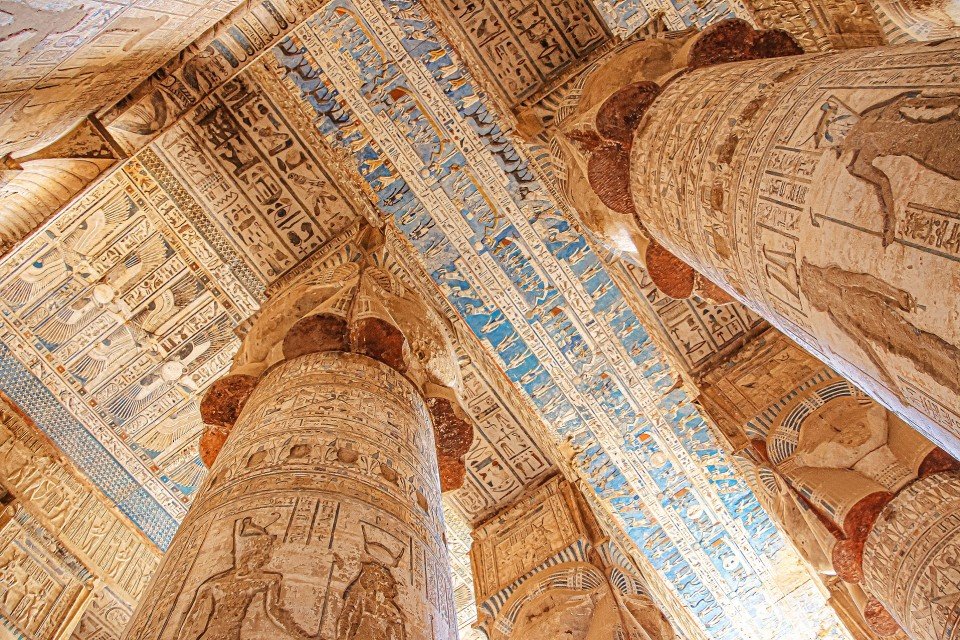
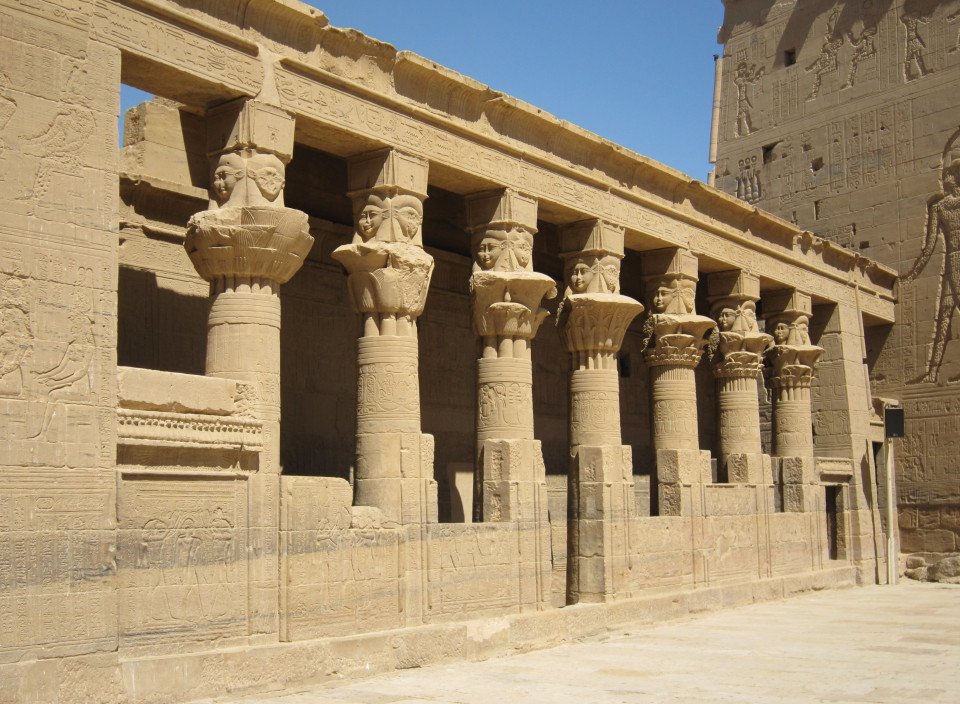
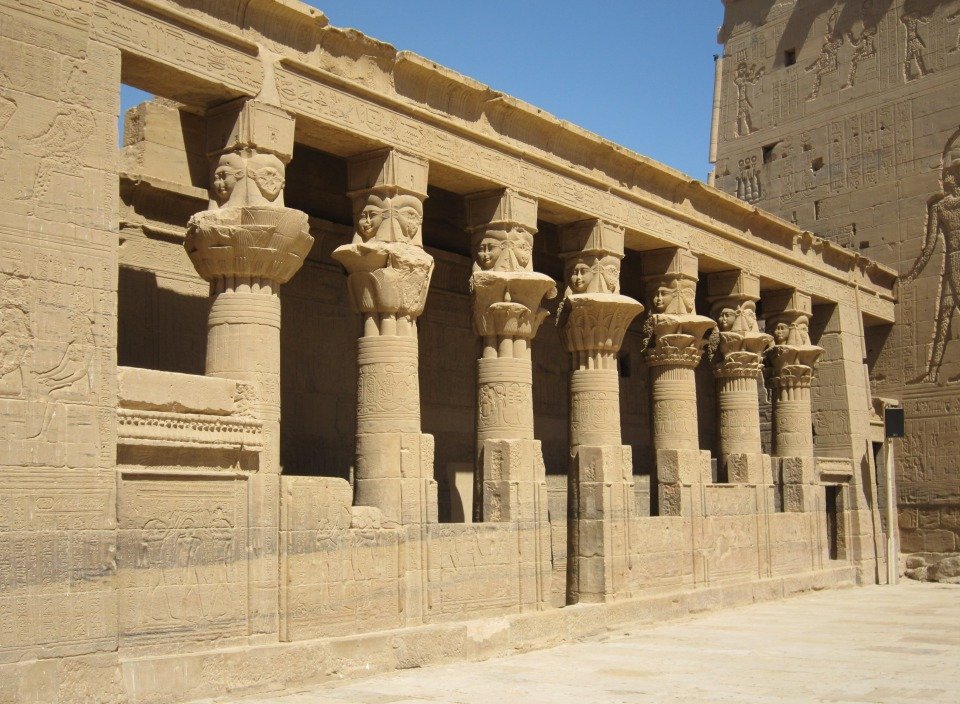
Qena, home to the Temple of Dendera, sits alongside the Nile in Upper Egypt. The Temple of Dendera, dedicated to the goddess Hathor, showcases impeccably preserved ancient Egyptian architecture and hieroglyphs, a testament to Qena's rich history. Thanks to its convenient placement along the Nile, Qena serves as a gateway to explore the wealth of cultural treasures and remnants of ancient civilisations across its surrounding areas.
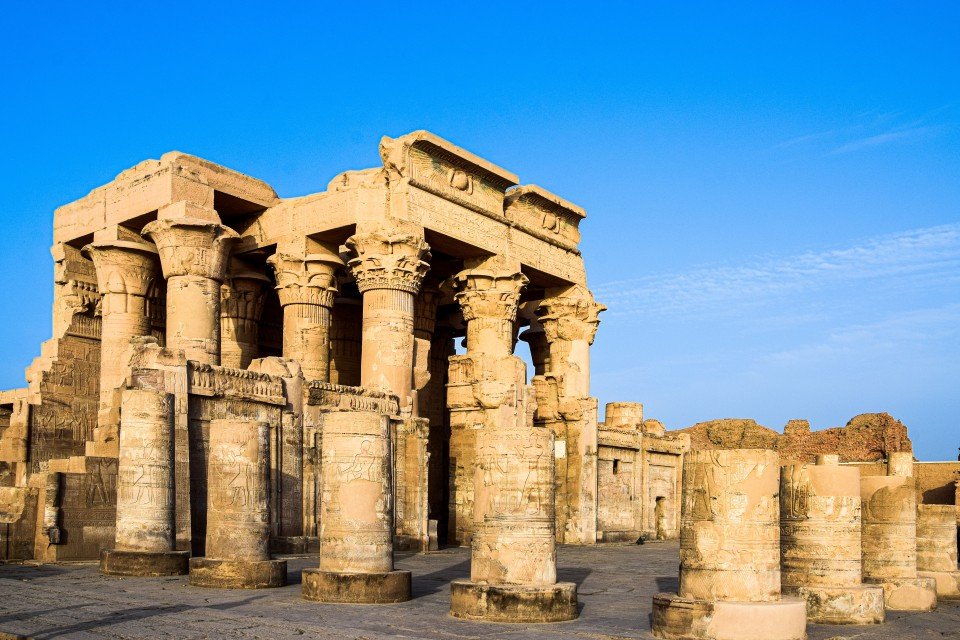
Though small in size, Kom Ombo, Egypt, is home to an iconic archaeological masterpiece: The Temple of Kom Ombo. Built during the Ptolemaic dynasty, The Temple of Kom Ombo is a unique structure dedicated to two deities: Sobek, the crocodile god, and Horus, the falcon-headed god. Magnificent in both its design and significance, the temple provides a captivating window into the beliefs and rituals of ancient Egypt during the period.
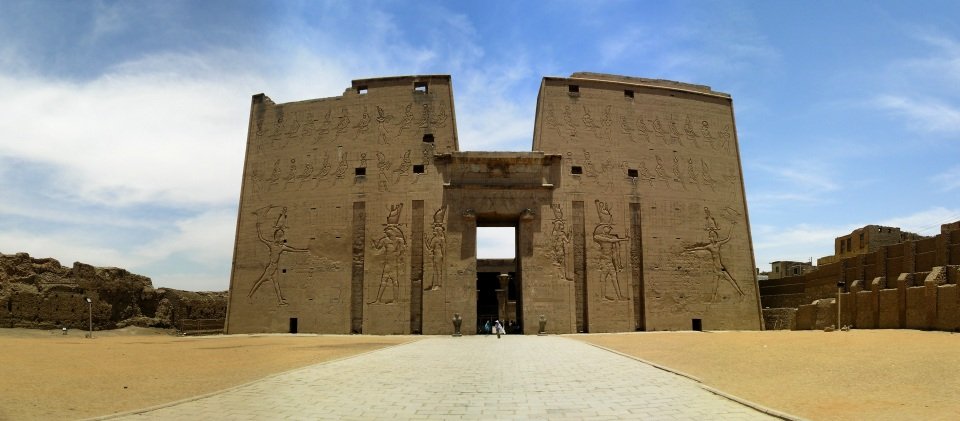
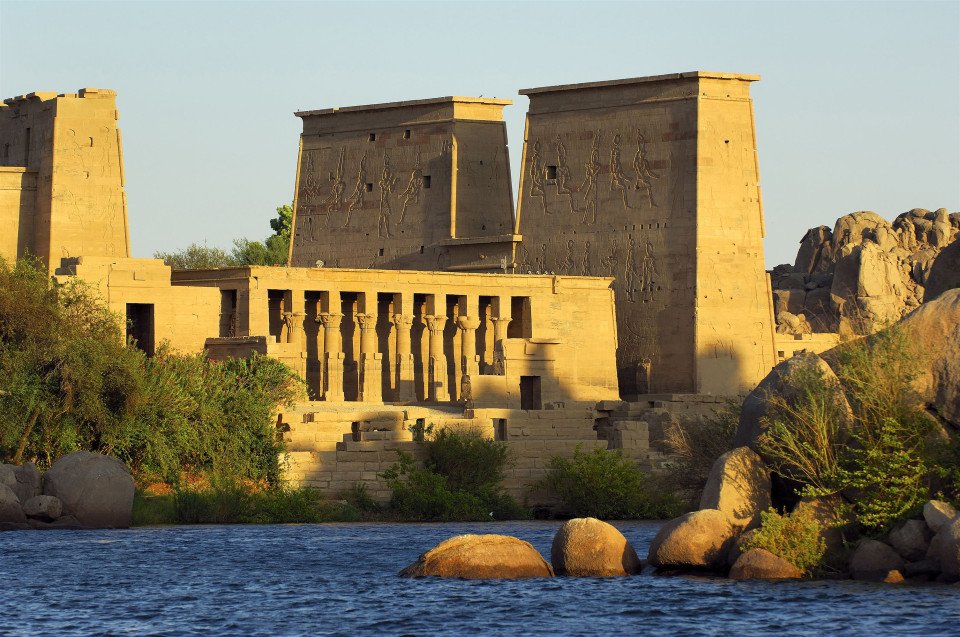
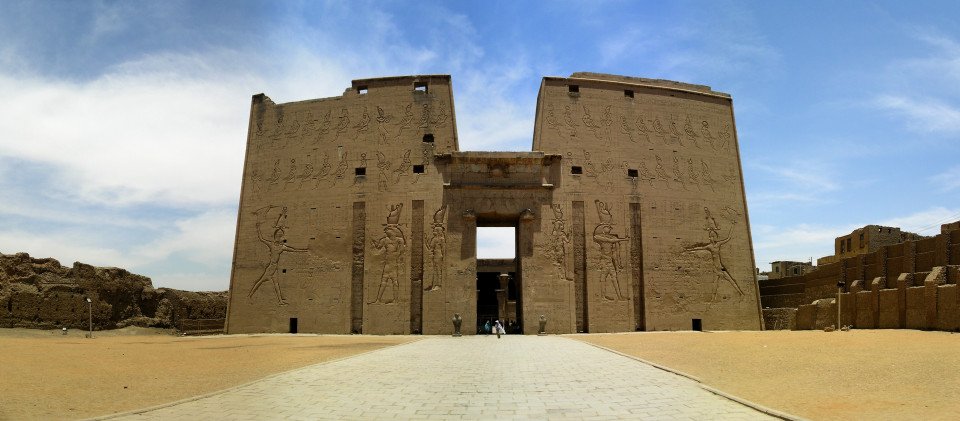
Edfu is an Egyptian town of The Nile Valley situated halfway between Luxor and Aswan, on the west bank of the Nile. The town is popular with tourists for being home to one of the best-preserved temples in Egypt, dedicated to the sky god of the Nile, Horus.
Dendera, also spelled Denderah, Tentyris, or Tentyra is a small town and former bishopric in Egypt situated on the west bank of the Nile, about 5 kilometres south of Qena, on the opposite side of the river.
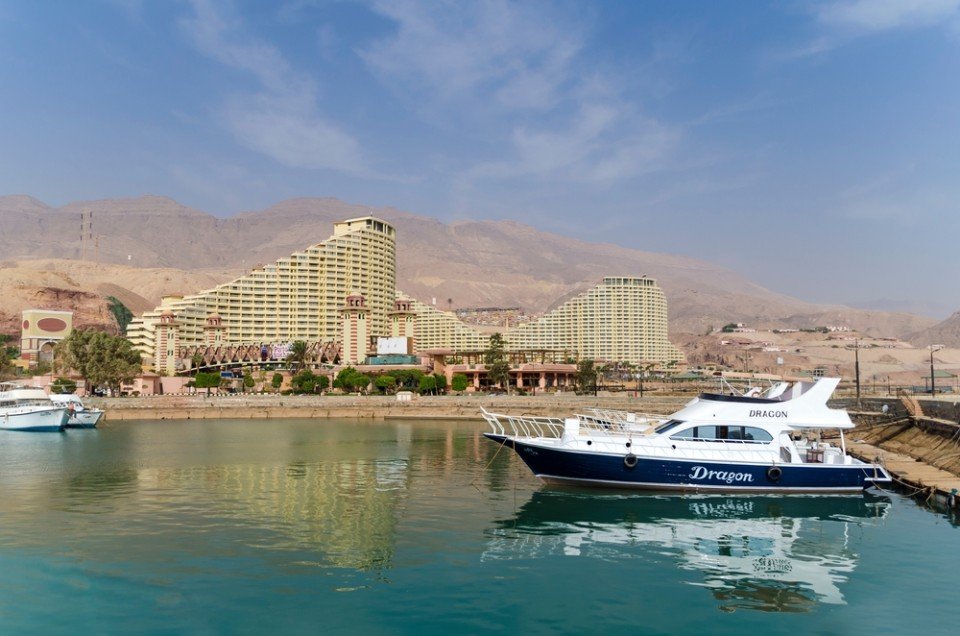
Port Safago has been undergoing a transformation, slowly metamorphosing into a holiday rsort. Like other cities on the Red Sea, the commercial port town sits close to great offshore dive sites. Unlike others, however, tourist development hasn't taken off in a meaningful way. But if the mass tourism in Hurghada is a turnoff, Safaga offers a small-scale and much more low-key alternative, though the best dive sites can still be seen on a day trip from Hurghada. Safaga is also the closest beach resort to Luxor and the Valley of the Kings, which lies 200 km (124 mi) to the southwest; when cruise ships offer land excursions to Luxor, they often do so through Safaga.
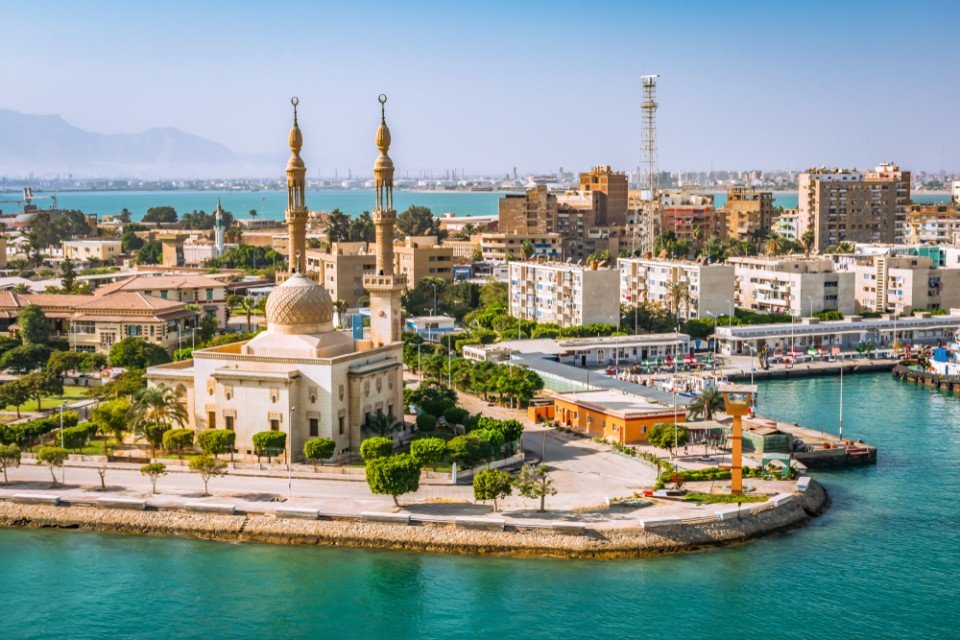
Port Said is located by the Suez Canal in the Northeast of Egypt. The city is steeped in history and culture as well as being an ideal place to enjoy seafood, shopping and fishing.
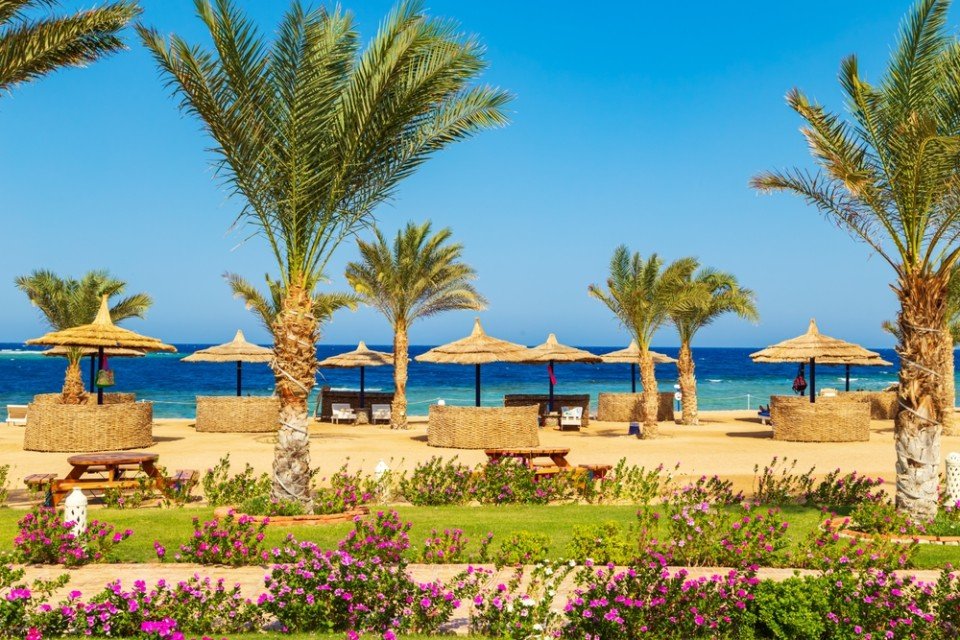
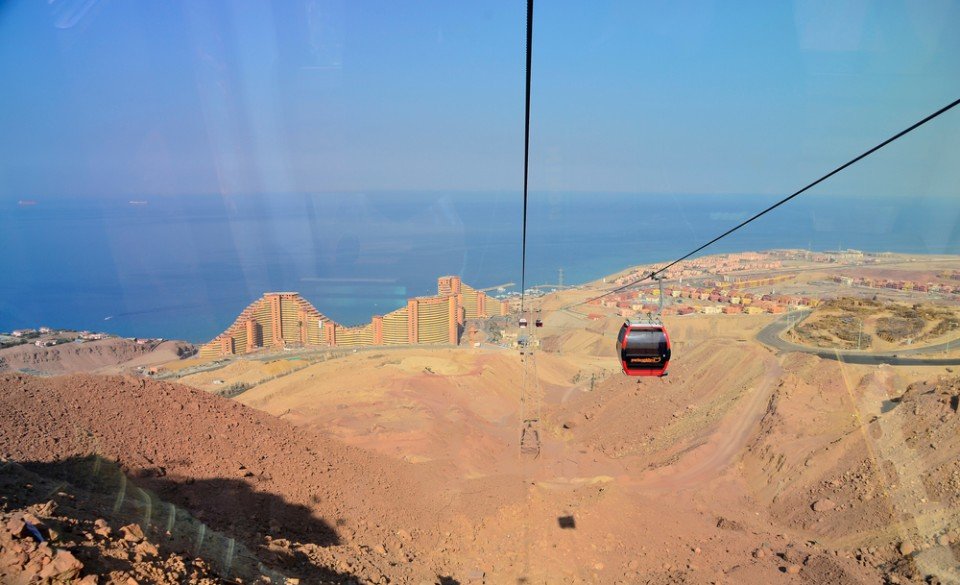
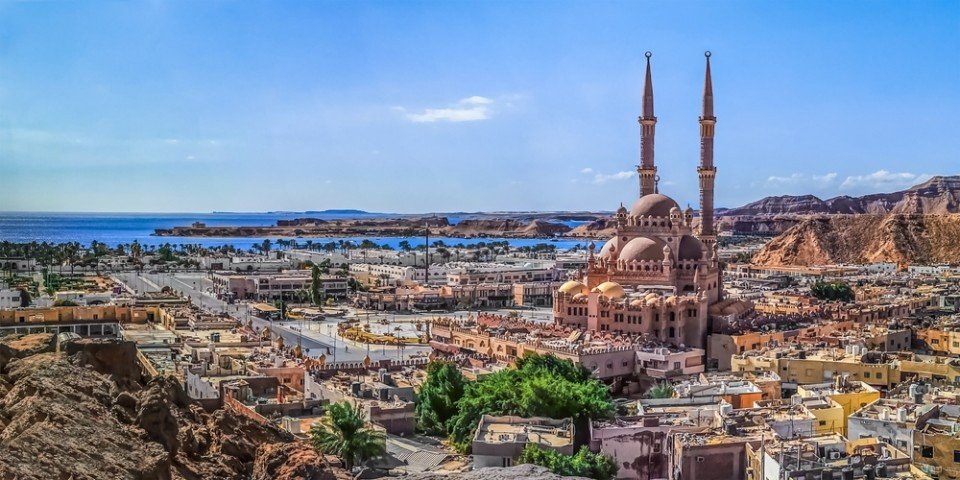
The port and town of Sharm-el-Sheikh lies near the southernmost tip of the Sinai Peninsula where the Straits of Tiran meet the Gulf of Aqaba. With its strategic position, the Sinai posed a desirable target for various rulers over the centuries. In recent times, the last battle for the Sinai was fought between Egypt and Israel from 1967 to 1979, ending with a peace treaty signed in Washington, D.C. Since the withdrawal of the Israelis, more and more Egyptians have settled in the Sinai, taking advantage of the booming tourist trade. However, vast interior regions are still sparsely populated. Many Bedouins have been affected by the advent of the 21st century, which is rapidly changing their age-old customs and nomadic lifestyle. As tourism and hotel projects continue to spring up along the Sinai coast, contact with Bedouins not involved in tourism is becoming increasingly rare. Once their nomadic life kept them on the move with their tents; today many Bedouins cultivate grain, vegetables and dates in addition to catering to the tourists. Sharm-el-Sheikh was initially developed by the Israelis during the Sinai occupation. Na'ama Bay, a short drive from the port, has grown from virtually nothing into a sizeable resort since the early 1980s. Between the two towns, a string of hotels line a once-untouched coastline. Resort hotels offer great opportunities for swimming, snorkelling and scuba diving. Glass bottom boat trips are available for those preferring to view the exotic marine life of the Red Sea without getting their feet wet.
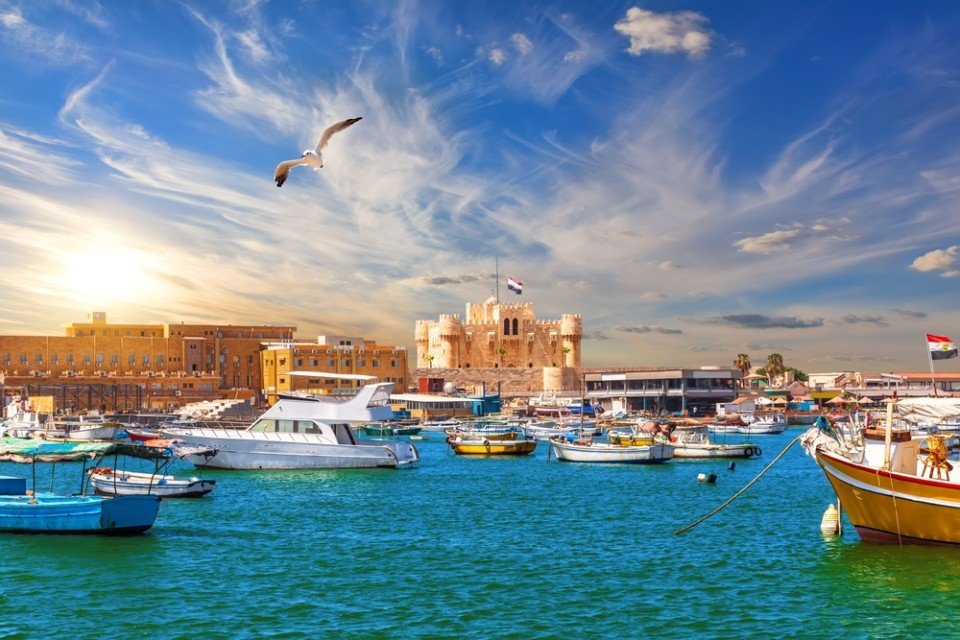
Founded by Alexander the Great, Alexandria was Egypt's capital for over 1,000 years. Now, it is visited by tourists looking to enjoy some diving and those interested in the Great Library, one of the Seven Wonders of the Ancient World.
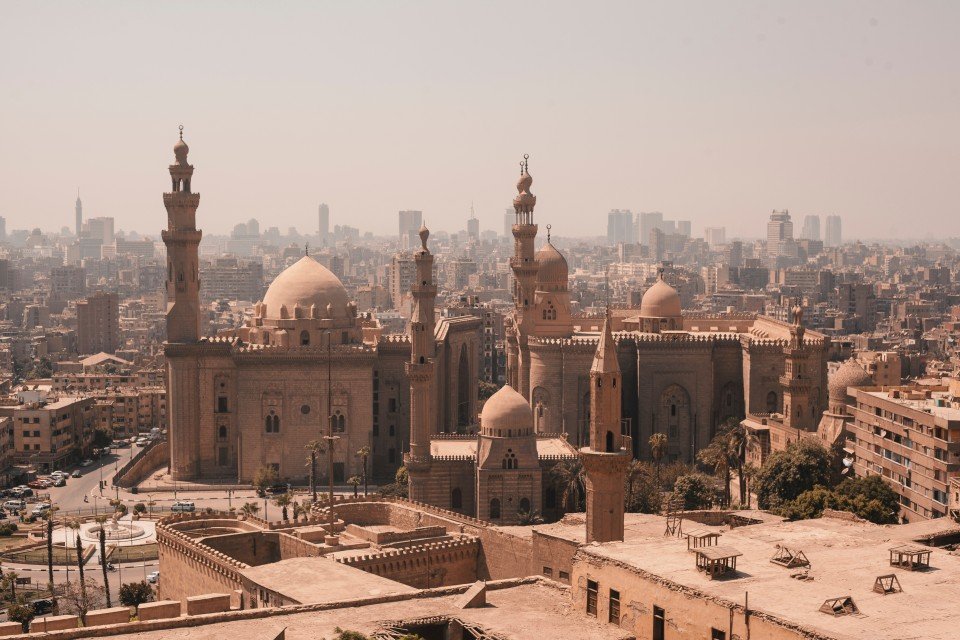
Cairo is the capital and largest city of Egypt. The city's metropolitan area is the largest in the Middle East and the Arab world, and 15th-largest in the world, and is associated with ancient Egypt, as the famous Giza pyramid complex and the ancient city of Memphis are located in its geographical area.
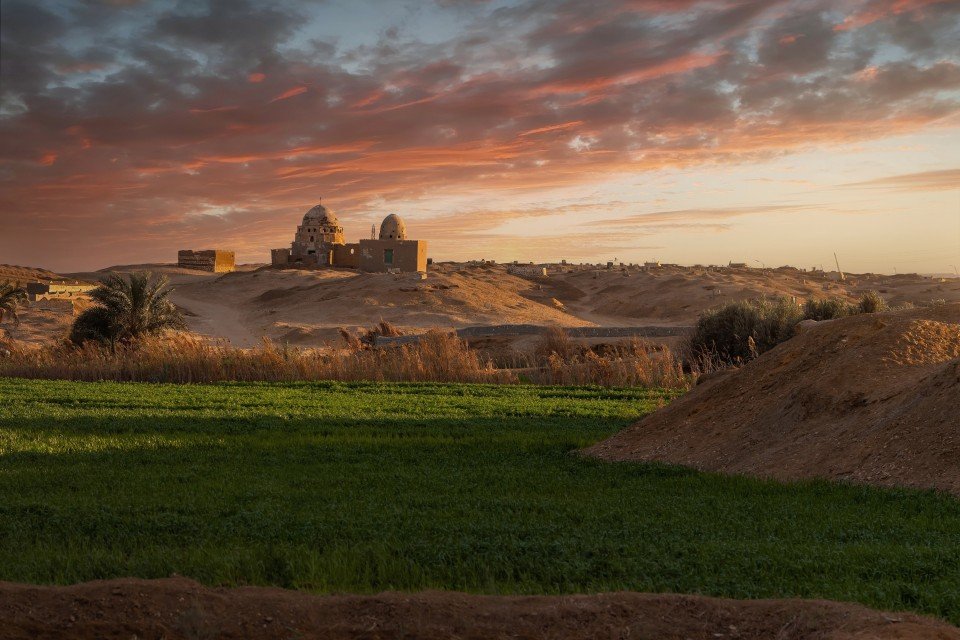
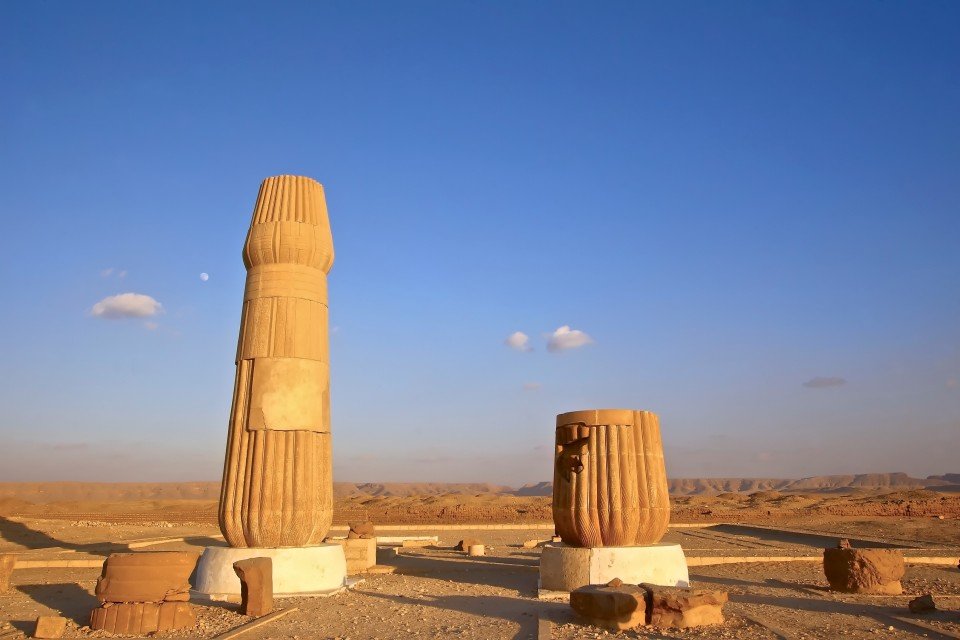
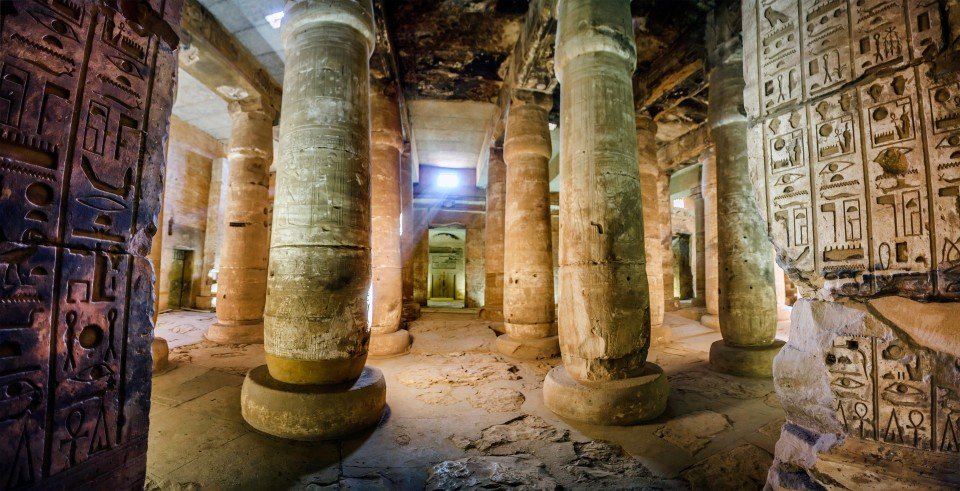
Located on the west bank of the Nile, Abydos is steeped in ancient Egyptian history and mythology. Most famously recognised as the burial site of Osiris, god of the afterlife Abydos became a revered pilgrimage site for ancient Egyptians seeking connection to the divine and spiritual enlightenment. Boasting temples dedicated to the gods, such as the Temple of Seti I, Abydos serves as a cultural and religious centre, home to rituals, festivals and ceremonies held to honour the gods and commemorate the deceased.
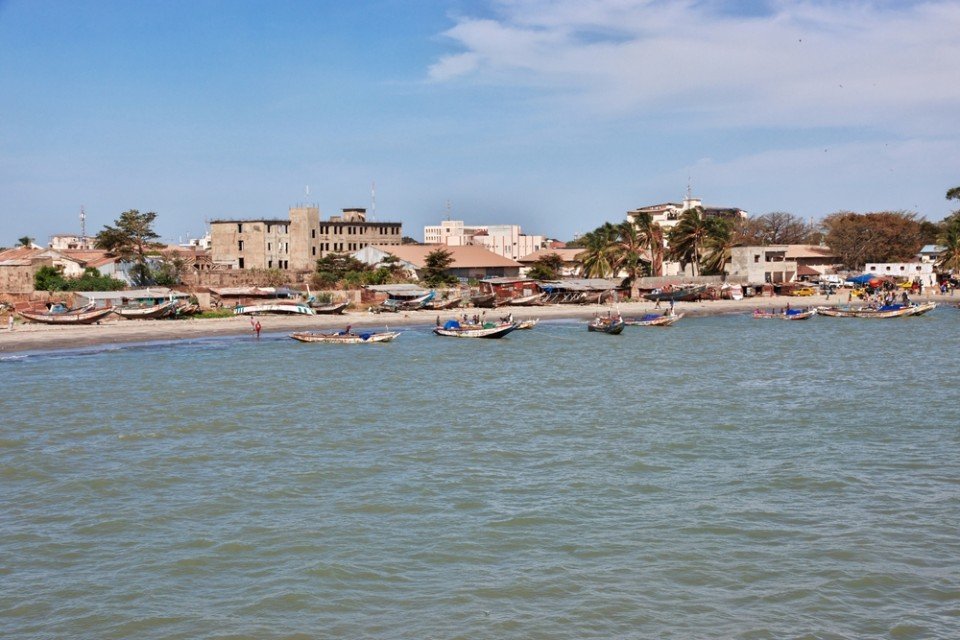
The tiny city of Banjul is the capital of The Gambia, a country that itself is little more than the banks of the mighty river that shares its name. Situated on St Mary’s Island, where the River Gambia joins the Atlantic, Bathurst, as Banjul was previously called, was established by the British in the early nineteenth century as a naval outpost dedicated to putting a halt to the trade in human beings. In 1943, Franklin Roosevelt visited Banjul on his way to the Casablanca conference with Churchill, becoming the first serving American president to visit Africa. Today, Banjul plays host to a thriving tourist trade, thanks to its pleasant climate, and is the political centre for the oldest democracy in Africa.
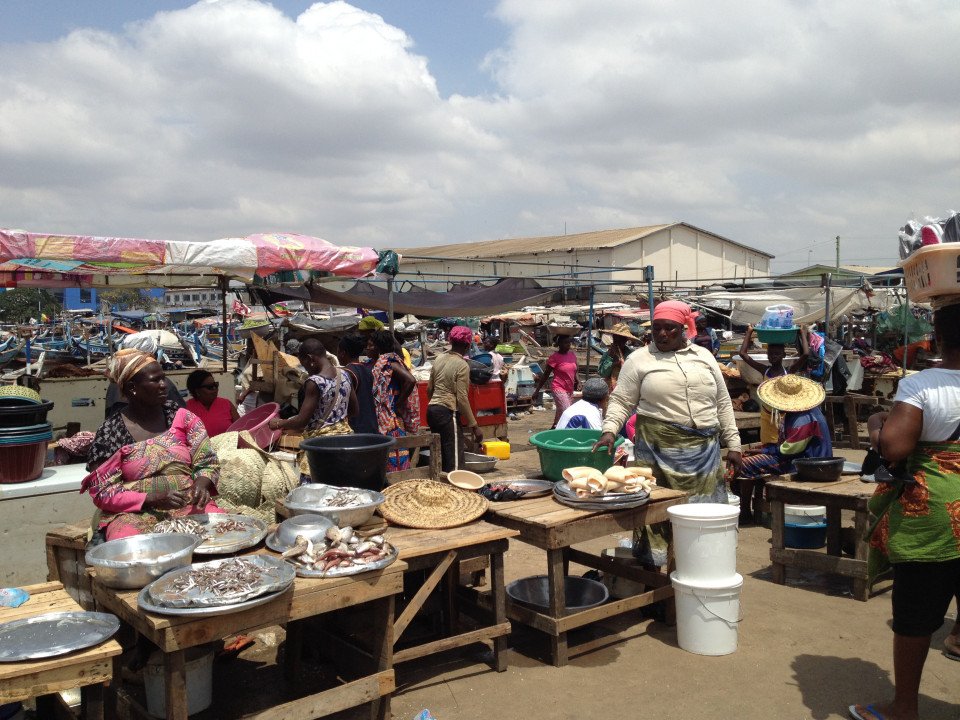
Ghana's fourth-largest city plays serene beaches against a bustling commercial centre. People from around the world visit the shore, both for its beauty and to enjoy the fresh seafood served right on the sands. Frantic city life awaits a short distance inland, where an economy fuelled by Ghana’s oil industry is most apparent in the maze of vendors at Market Circle.
From a modest fishing port to the biggest in Ghana, Tema’s industrial activity has all but tarnished the charming, postcard scenery of the region. The neighbouring white-sanded beaches remain immaculate, still serving as a testimony of the rich variety of fishing birds that can be found in the area.In the way Mother Nature intended it, gannets, boobies and kingfishers amongst other species fish in and around the cerulean waters of the coast. A light breeze tickles the inflamed, iron-filled soil of the mainland on which the railway linking Tema to Accra lures hundreds of visitors each day. On board one of the carriages to Accra, distinctively noticeable by their painted coats of red, yellow and green that echo Ghana’s national flag, a peek out of the window will offer scenic views of the harbour and coast, as well as the large fields that separate Tema from the capital by 15 miles/25 kilometres of open space.Accra’s ambiance contrasts with the peaceful setting of Tema, but nevertheless has its own charm to be enjoyed. Through rich, contemporary monuments which recall Ghana’s 1957 independence, the Kwame Nkrumah Memorial Park is an architectural jewel which also narrates the life and exploits of the eponymous president who fought for his country’s freedom. A more casual but perhaps interesting approach to the City’s culture and history is the visit to an artisanal studio, where primary materials such as wood and metal are transformed into stunning carvings of all sorts, illustrating a traditional African belief of a new life beyond death. And for a relaxing yet enriching experience, the hospitable restaurants are always eager to share their Banku, a local dish made out of corn and served with fish or stew.Craft markets are also worth a detour and are great for cherry-picking souvenirs. Demonstrating other fine Ghanaian traditions such as leather crafting and weaving, a popular favourite is the country’s hand-made Black Soap, which is renowned for its soothing virtues.
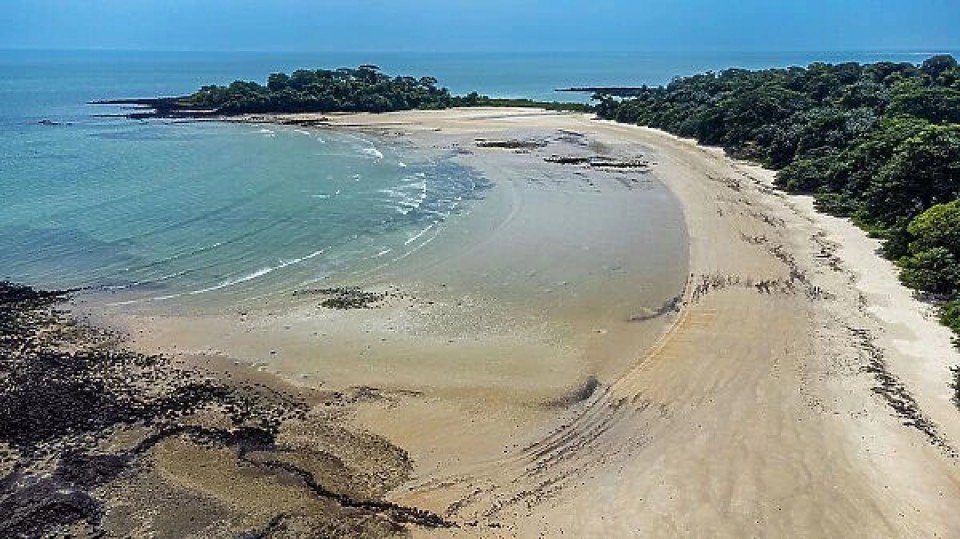
Situated in Guinea-Bissau, João Vieira is one of the picturesque islands in the Bijagós Archipelago, renowned for its rich biodiversity and vibrant cultural heritage. The island is part of a protected national park, home to unique ecosystems that include lush mangroves and pristine beaches. It is a haven for wildlife enthusiasts, particularly bird watchers, as it hosts various migratory and endemic species. Local communities maintain traditional lifestyles, offering visitors a glimpse into their culture and sustainable practices. João Vieira's tranquil environment makes it an ideal destination for eco-tourism and adventure seekers.
You may well find yourself in Mombasa for a few hours or an overnight stop. The city (which is actually an island linked to the mainland by a ferry) is the second oldest trade center with Arabia and the Far East. Today it still plays an important role as the main port for Kenya. Although it lacks the beautiful beaches of the north and south, it has a rich, fascinating history. Visit the Old Town with its narrow streets lined with tiny shops and souks (markets). The Old Harbour, frequented by numerous dhows, is an ideal place to arrange a short cruise on one of these local boats that have plied the oceans for centuries. Fort Jesus, designed by an Italian and built by the Portuguese in the late 16th century, is a major visitor draw and well worth a visit. In summer there's an impressive sound-and-light show.
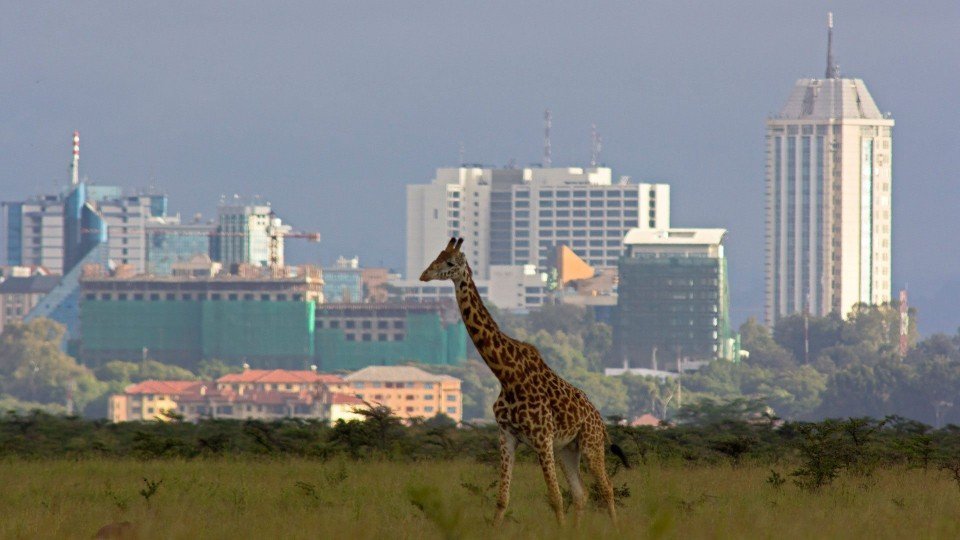
Nairobi, the capital of Kenya, is a vibrant city known for its unique blend of urban life and natural beauty. As one of Africa's largest cities, it serves as a major economic and cultural hub, featuring a diverse population and a rich history. Nairobi National Park, located just outside the city centre, offers a remarkable opportunity to see wildlife, including lions, giraffes, and rhinos, against a backdrop of skyscrapers. The city is also home to important museums, such as the Nairobi National Museum and the Karen Blixen Museum, which showcase Kenya's heritage. With its bustling markets, lively nightlife, and thriving arts scene, Nairobi is a captivating destination for both tourists and locals alike.
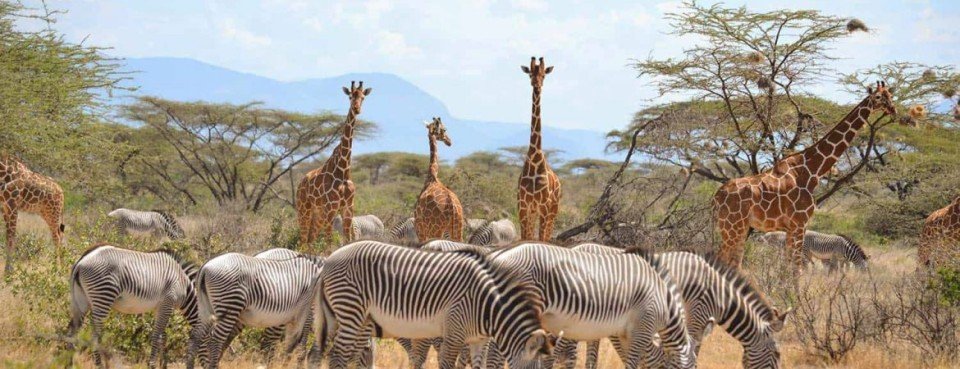
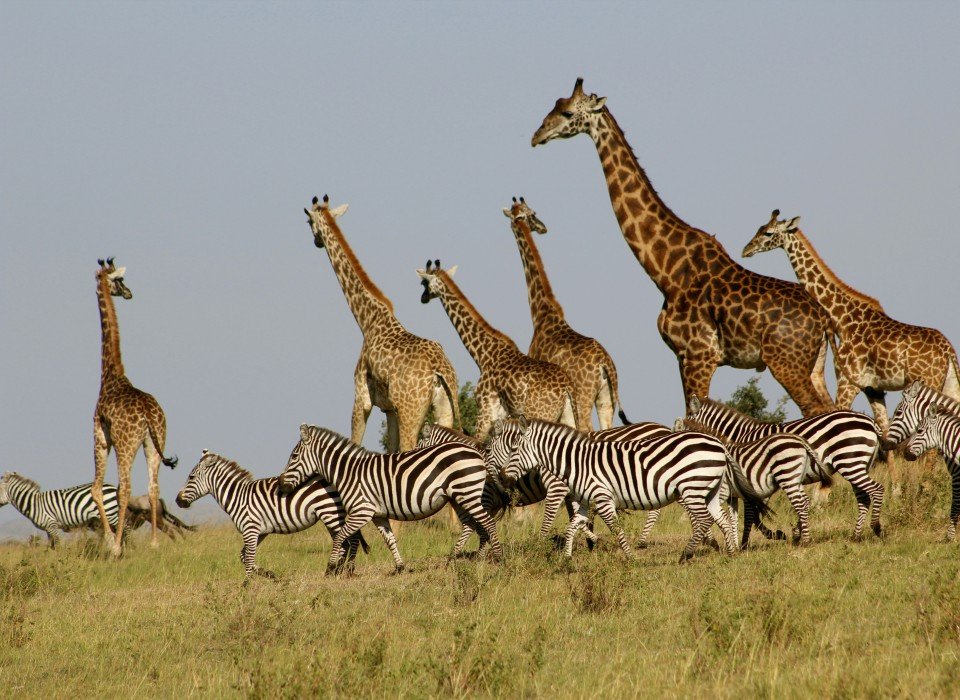
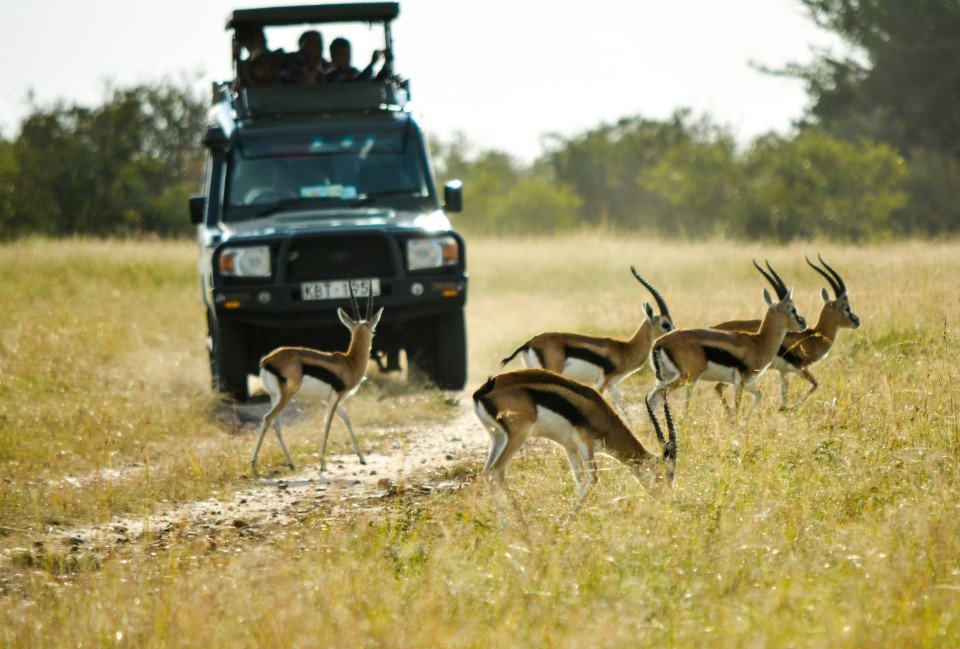
Samburu National Reserve, located in northern Kenya, is a stunning wildlife sanctuary renowned for its diverse ecosystems and abundant wildlife. The reserve is home to unique species, including the Grevy's zebra, Somali ostrich, and the reticulated giraffe, which are often referred to as the "Samburu Special Five." The striking landscape features rugged mountains, arid plains, and the life-giving Uaso Nyiro River, attracting a wide variety of animals and birds. Visitors can enjoy exhilarating game drives and guided walks, immersing themselves in the rich flora and fauna. The reserve is also a cultural hub, offering opportunities to engage with the local Samburu communities, who share their traditional way of life. Samburu National Reserve is an unforgettable destination for wildlife enthusiasts and adventure seekers.
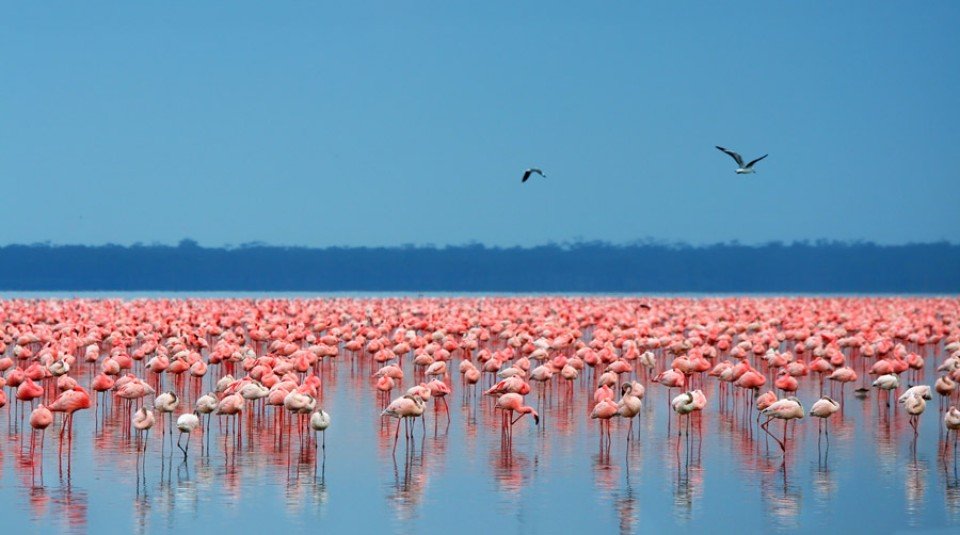
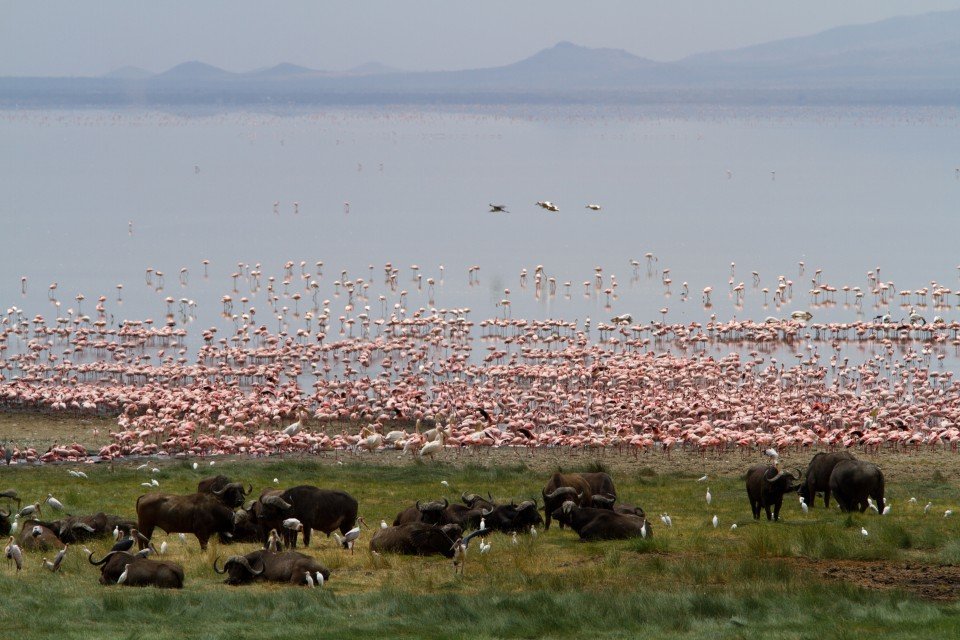
Lake Nakuru National Park, located in the Rift Valley of Kenya, is famous for its stunning scenery and vibrant wildlife. The park is centred around the alkaline Lake Nakuru, which is renowned for its spectacular flocks of flamingos that often gather along its shores. In addition to the iconic birds, the park is home to a diverse range of wildlife, including white and black rhinos, lions, and various species of antelope. The varied landscapes, from wooded hills to grasslands, provide a rich habitat for both flora and fauna. Visitors can enjoy game drives, guided walks, and breathtaking views from viewpoints like Baboon Cliff. Lake Nakuru National Park is a UNESCO World Heritage site and offers a unique blend of natural beauty and wildlife conservation, making it a must-visit destination for nature lovers.
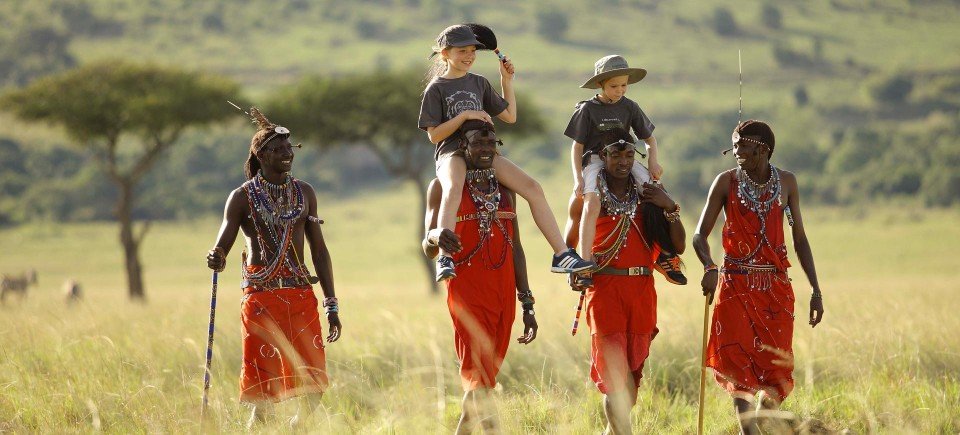
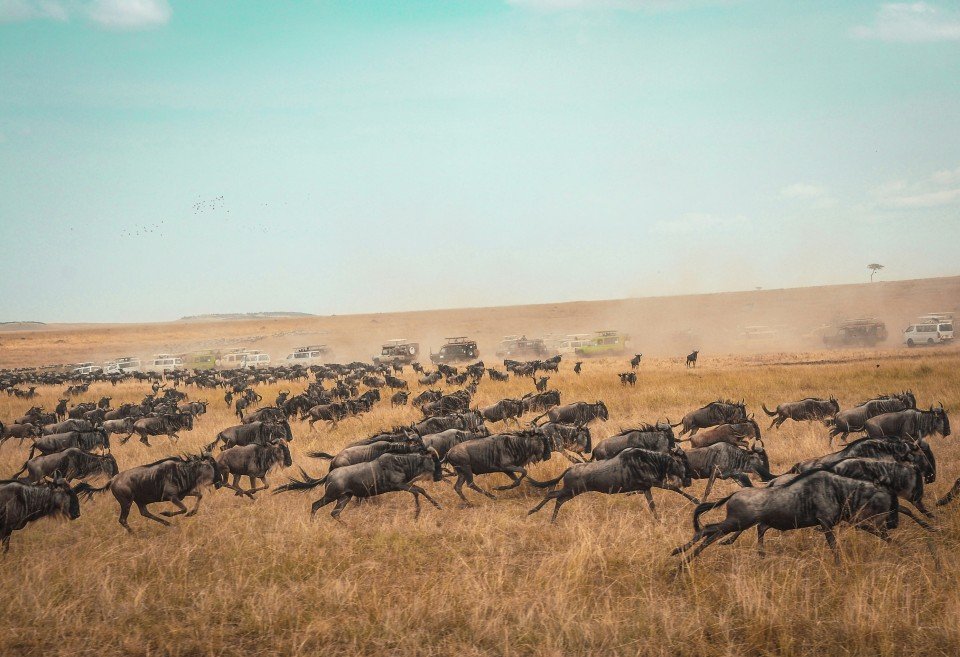
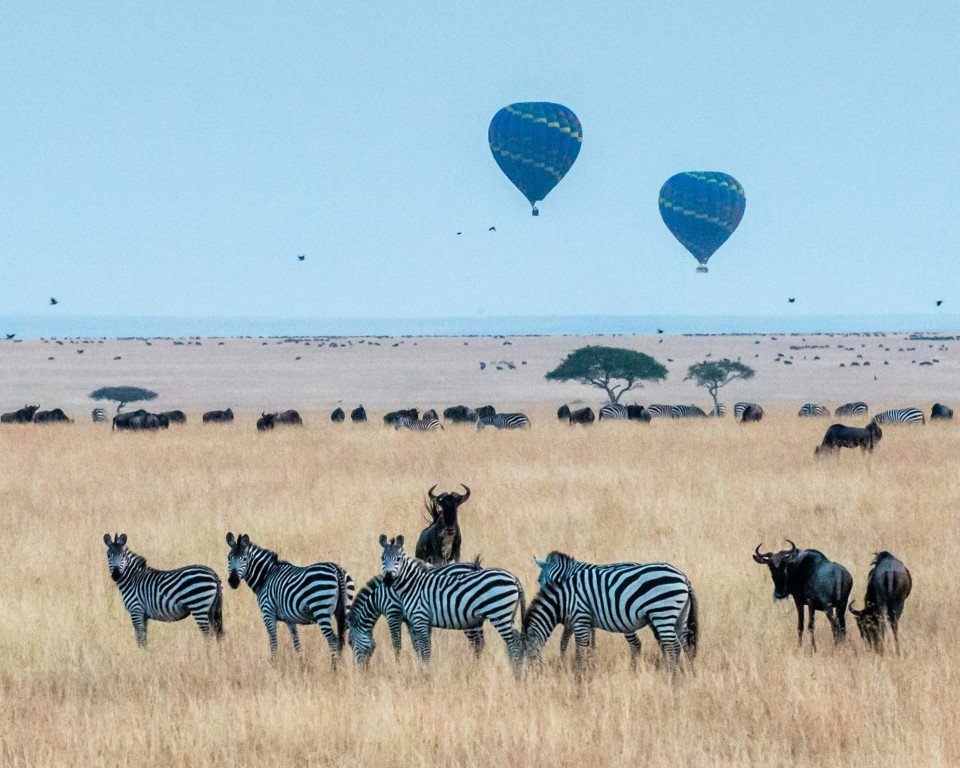
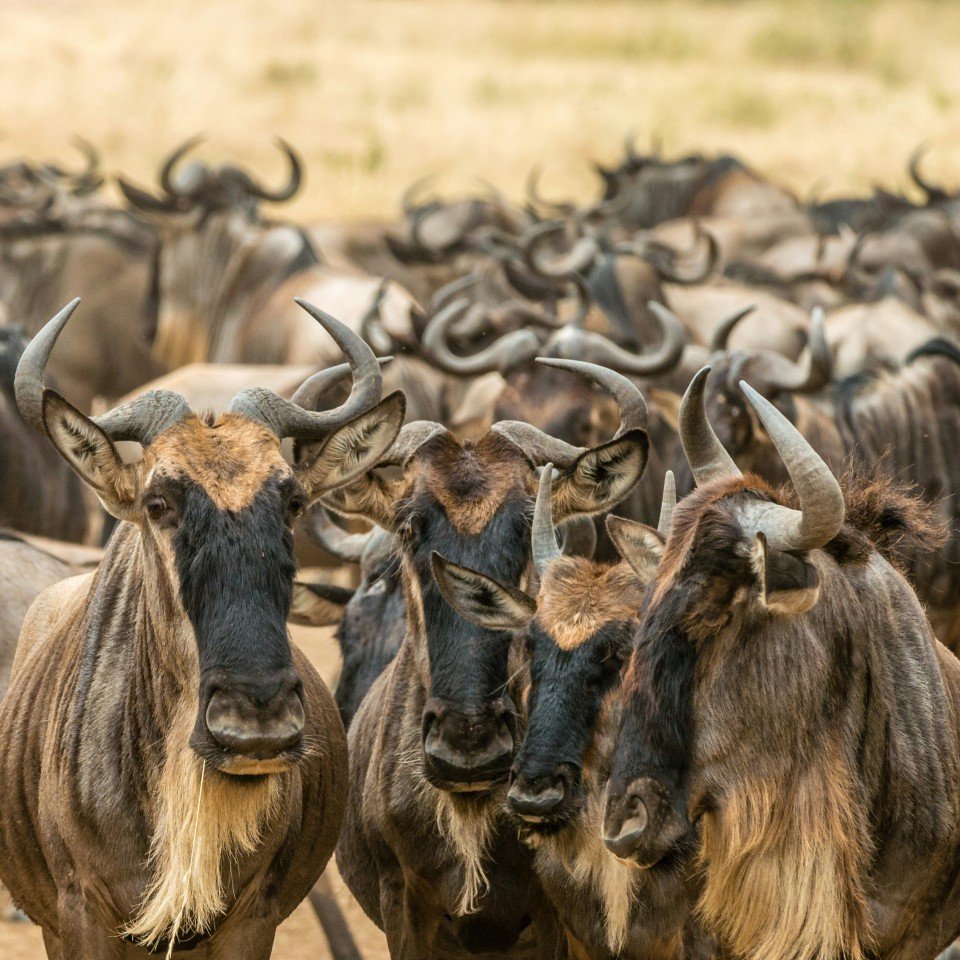
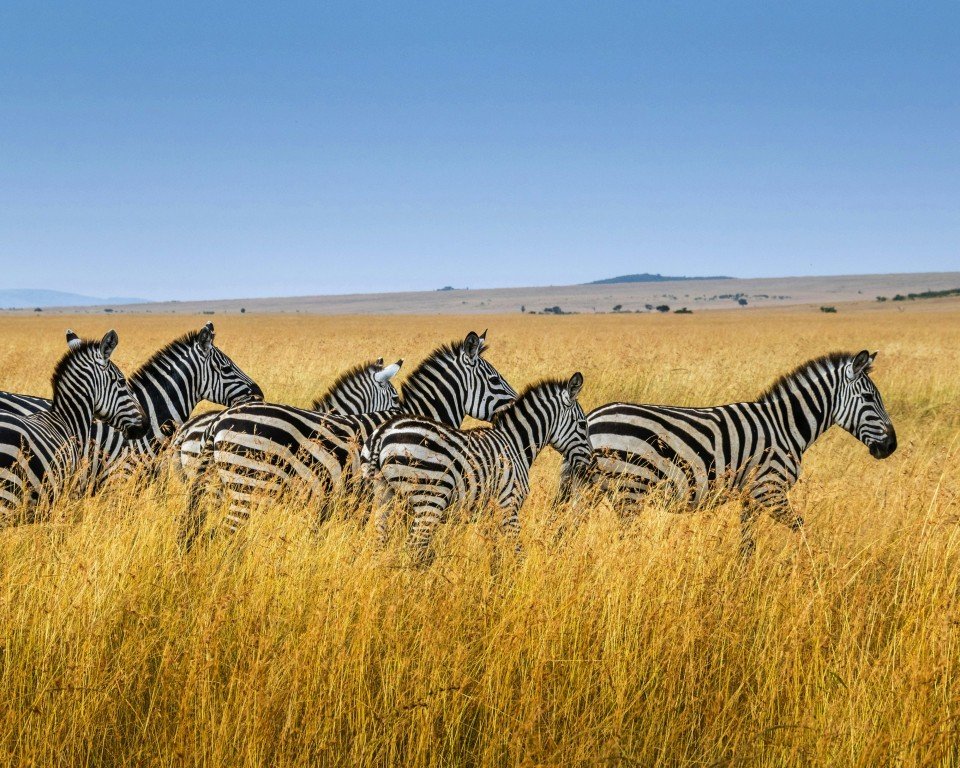
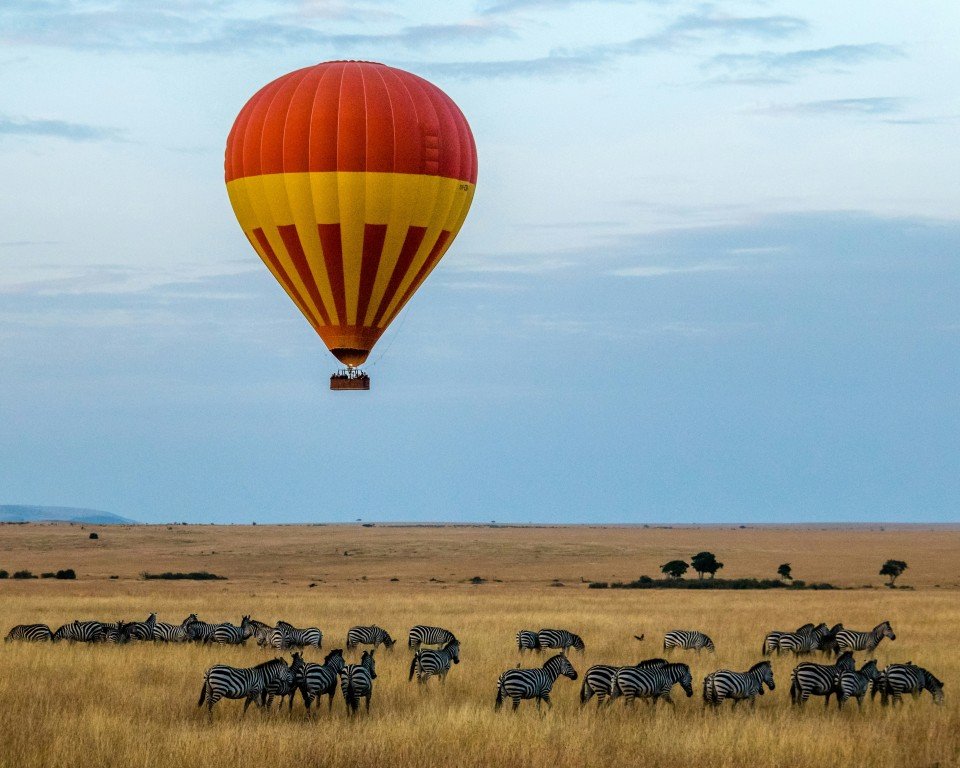
The Masai Mara National Reserve, located in southwestern Kenya, is one of Africa's most celebrated wildlife destinations. Renowned for its breathtaking landscapes and incredible biodiversity, the reserve is particularly famous for the Great Migration, where millions of wildebeest and zebras traverse the plains in search of fresh grazing. Visitors can witness spectacular wildlife interactions, including predators such as lions, cheetahs, and leopards in their natural habitat. The Mara is also home to the iconic Maasai people, who offer a rich cultural experience through their traditions and customs. With numerous options for game drives, hot air balloon safaris, and guided walks, the Masai Mara provides unforgettable encounters with nature. Its stunning vistas and abundant wildlife make it a must-visit destination for any nature enthusiast.
Nosy Bé, meaning Big Island in the Malagasy language, lies just a stone's throw off Madagascar's northwest coast. It is a remote and exotic destination. With its deserted beaches, rustic hotels and unhurried pace, it attracts travellers looking for a laid-back vacation. The fertile island is the centre for the production of perfume essence from the ylang-ylang trees. The heady scent of their flowers gave Nosy Bé the name "Perfumed Isle." Other local products include sugar cane, coffee, vanilla and pepper; they are grown for export in large plantations. Hellville, the island’s main town and port, is situated in a sheltered bay. It is named after a former French governor, Admiral de Hell. The town features a few old colonial buildings, a busy market, some small boutiques and tourist shops along the busy main street. At the quayside, vendors display embroidered linens, wood carvings and straw articles. Trips into the lush countryside may include a ride up to Mt. Passot. At 950 feet (285 metres), this is the highest point on the island. The view from the top offers an extensive panorama of crater lakes nestled between verdant hills. Most visitors make the boat trip to Nosy Komba. The tiny island is known for its lemur reserve. These arboreal primates, with their large eyes, soft fur and long curling tails, have lived unharmed for centuries in the forest behind Ampangorina village. The lemurs are a popular tourist attraction and a profitable source of income to the small local community.
Tuléar, located on the southwestern coast of Madagascar, is a vibrant city known for its unique blend of cultural heritage and natural beauty. As a gateway to the stunning landscapes of the region, Tuléar is surrounded by striking coral reefs, sandy beaches, and the famous spiny forest, home to a variety of endemic flora and fauna. The city boasts a lively atmosphere, with bustling markets, local cuisine, and rich traditions, reflecting the diverse influences of Malagasy, Arab, and French cultures. Tuléar also serves as a base for exploring nearby attractions, such as Ifaty, renowned for its water activities, and the unique biodiversity of the Reniala Reserve. With its welcoming community and beautiful surroundings, Tuléar offers an authentic experience for visitors looking to discover the wonders of Madagascar.
Belo sur Mer is a charming coastal village located on the western shore of Madagascar, renowned for its stunning beaches and traditional boat-building culture. Surrounded by crystal-clear waters and picturesque mangroves, the village offers a tranquil escape for visitors seeking relaxation and a connection with nature. Belo sur Mer also serves as a gateway to the nearby Kirindy Mitea National Park, where travellers can explore unique ecosystems and encounter endemic wildlife, including various lemur species. The local community is warm and welcoming, providing opportunities to experience traditional Malagasy life and cuisine. With its idyllic setting and rich cultural heritage, Belo sur Mer is a hidden gem for those looking to immerse themselves in the beauty of Madagascar.
Nosy Ve is a small, picturesque island located off the southwestern coast of Madagascar, known for its pristine beaches and vibrant marine life. This idyllic spot is surrounded by turquoise waters, making it a popular destination for snorkelling and diving enthusiasts who wish to explore its rich coral reefs and diverse aquatic species. The island is also significant for its cultural heritage, as it is home to traditional fishing communities that maintain their age-old customs. Visitors can enjoy the serene atmosphere, beautiful landscapes, and opportunities for birdwatching, particularly the striking white-tailed tropicbird. With its unspoilt beauty and tranquil setting, Nosy Ve offers a perfect getaway for those looking to experience the natural wonders of Madagascar.
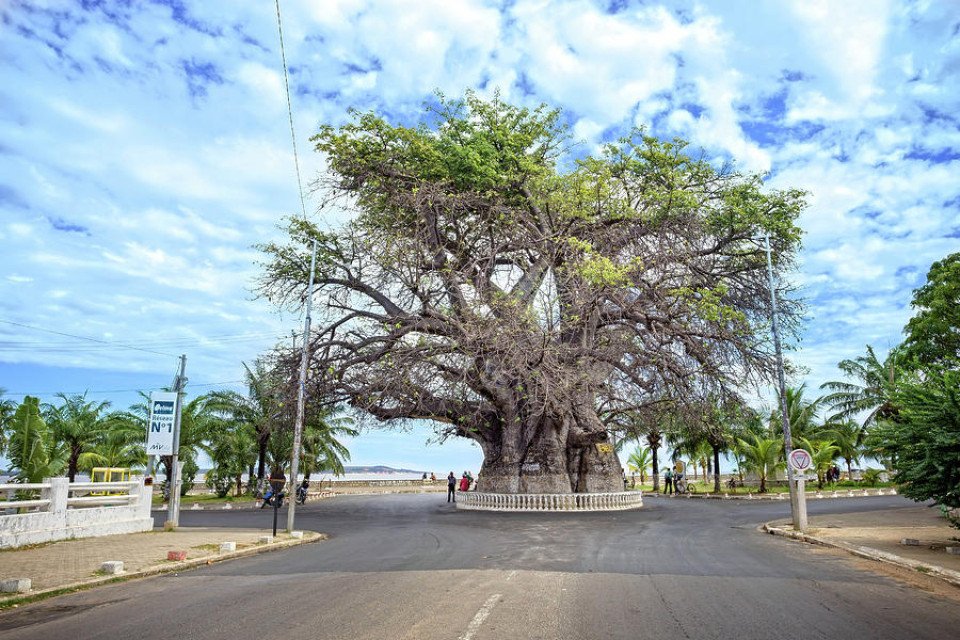
Majunga, also known as Mahajanga, is a vibrant coastal city located on the northwestern coast of Madagascar. Renowned for its beautiful beaches and rich cultural diversity, Majunga offers a unique blend of Malagasy, Arabic, and French influences. The city is famous for its stunning baobab trees and the scenic Ankarafantsika National Park nearby, which is home to a variety of wildlife and breathtaking landscapes. Visitors can explore the lively waterfront, enjoy local cuisine at bustling markets, and relax on the sandy shores. Majunga is also known for its vibrant music and arts scene, providing an authentic taste of Malagasy culture. With its welcoming atmosphere and picturesque surroundings, Majunga is a delightful destination for travellers seeking both adventure and relaxation.
Tôlanaro, situated in the southeastern part of Madagascar, is a picturesque coastal town renowned for its stunning natural beauty and rich biodiversity. Surrounded by lush green hills and pristine beaches, Tôlanaro offers visitors a serene escape into nature. The town serves as a gateway to several national parks, including Andohahela and Berenty, where travellers can explore unique ecosystems and encounter a variety of endemic wildlife, including lemurs and chameleons. Tôlanaro's vibrant local culture is reflected in its markets and cuisine, where visitors can savour fresh seafood and traditional Malagasy dishes. With its welcoming atmosphere and breathtaking landscapes, Tôlanaro is an inviting destination for those looking to experience the diverse wonders of Madagascar.
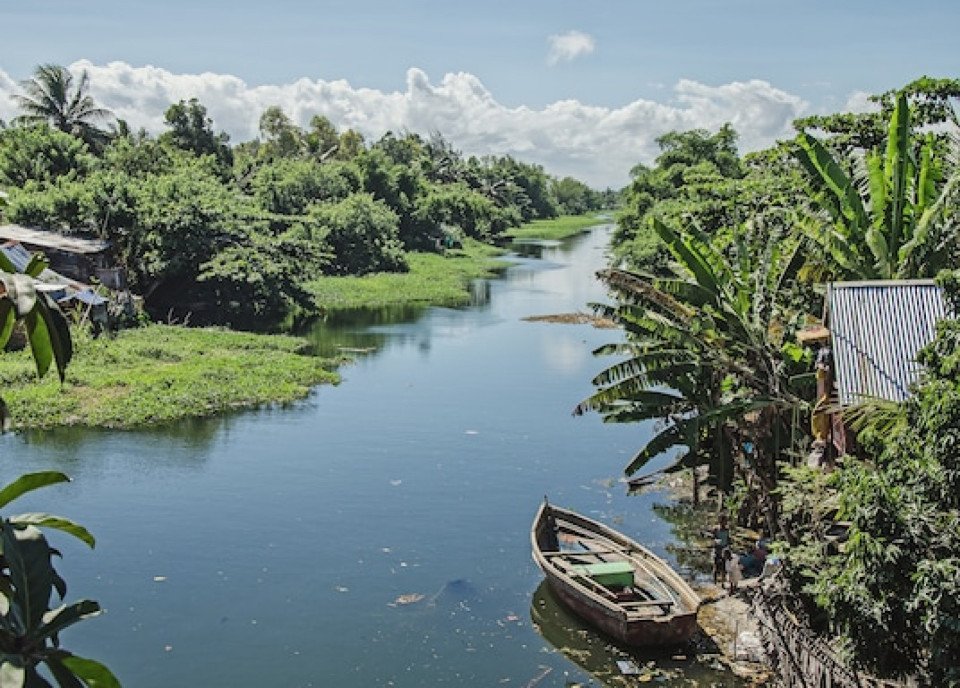
Toamasina, also known as Tamatave, is Madagascar's largest port city, located on the eastern coast of the island. Renowned for its vibrant atmosphere and rich maritime history, Toamasina serves as a key hub for trade and transportation. The city features beautiful sandy beaches and lush surrounding landscapes, making it a popular destination for both locals and tourists. Visitors can explore the bustling markets, where fresh produce and local crafts are abundant, and enjoy the lively nightlife. Toamasina is also a gateway to nearby natural attractions, including the stunning Pangalanes Canal and the lush rainforests of Andasibe-Mantadia National Park. With its unique blend of cultural experiences and natural beauty, Toamasina offers a captivating glimpse into the heart of Madagascar.
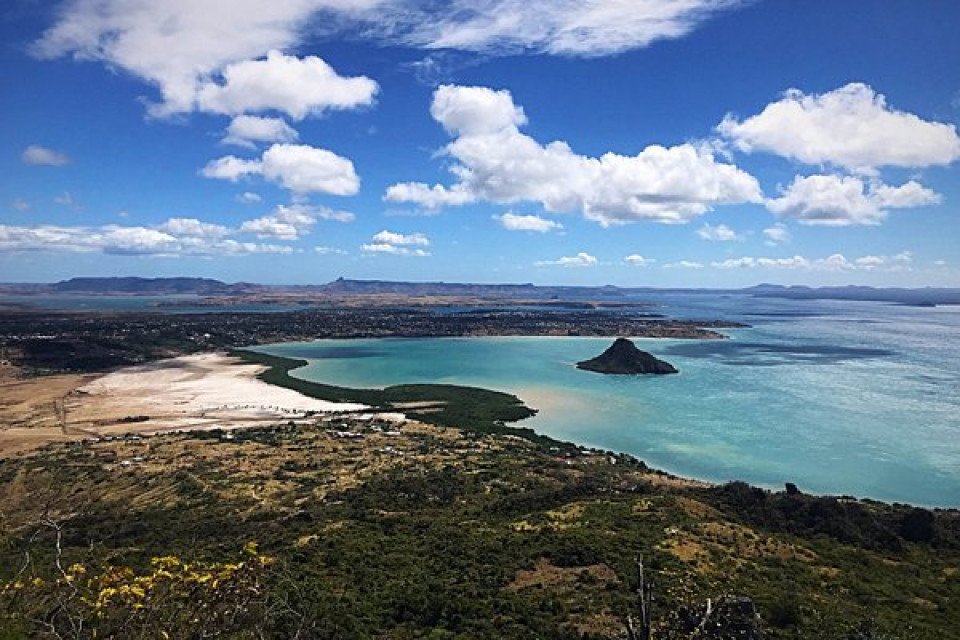
Antsiranana, formerly known as Diego Suarez, is a picturesque city located in the northern part of Madagascar. Known for its stunning natural harbour and striking landscapes, Antsiranana serves as a gateway to some of the country’s most breathtaking destinations. The city boasts a rich history, with colonial architecture and a vibrant mix of cultures. Nearby, visitors can explore the spectacular landscapes of the Amber Mountain National Park, renowned for its waterfalls, unique flora, and diverse wildlife. The area is also famous for its pristine beaches, such as Nosy Saba and Ramena, offering opportunities for relaxation, snorkelling, and water sports. With its captivating scenery and cultural heritage, Antsiranana is a must-visit destination for those seeking adventure and natural beauty in Madagascar.
Fort Dauphin (Toalagnaro) is a charming coastal town located in the southeastern part of Madagascar. Nestled between the Indian Ocean and the scenic Andringitra mountains, the town is known for its rich history and stunning landscapes. Fort Dauphin boasts beautiful beaches, such as Libanona, which offer opportunities for relaxation and water sports. The area is also a gateway to several national parks, including Andohahela and Berenty, where visitors can explore unique ecosystems and encounter endemic wildlife, including lemurs and various bird species. The town's vibrant culture is reflected in its lively markets and local cuisine, providing an authentic Malagasy experience. With its combination of natural beauty and cultural heritage, Fort Dauphin (Toalagnaro) is an appealing destination for travellers seeking adventure and relaxation in Madagascar.
Nosy Boraha, also known as Île Sainte-Marie, is a picturesque island located off the east coast of Madagascar. Renowned for its stunning beaches, crystal-clear waters, and lush tropical vegetation, Nosy Boraha offers a tranquil escape for visitors seeking natural beauty and relaxation. The island is famous for its historical significance as a former pirate hideout and is home to several remnants of pirate lore. Visitors can explore the island’s charming villages, enjoy water activities such as snorkelling and diving around vibrant coral reefs, and witness the annual migration of humpback whales between July and September. Nosy Boraha’s laid-back atmosphere and rich cultural heritage make it an idyllic destination for those looking to experience the enchanting beauty of Madagascar.
Hell-Ville, the capital of Nosy Be island, is a vibrant town known for its lively atmosphere and rich cultural heritage. Named after a French governor, the town features charming colonial architecture and bustling markets, where visitors can experience local life and savour traditional Malagasy cuisine. Hell-Ville serves as a gateway to the island’s stunning beaches, lush forests, and vibrant marine life, making it an ideal base for exploring Nosy Be’s natural attractions. The nearby Lokobe National Park offers opportunities for hiking and encountering endemic wildlife, including the famous black lemurs. With its combination of cultural charm and natural beauty, Hell-Ville is a captivating destination for travellers seeking to immerse themselves in the unique essence of Madagascar.
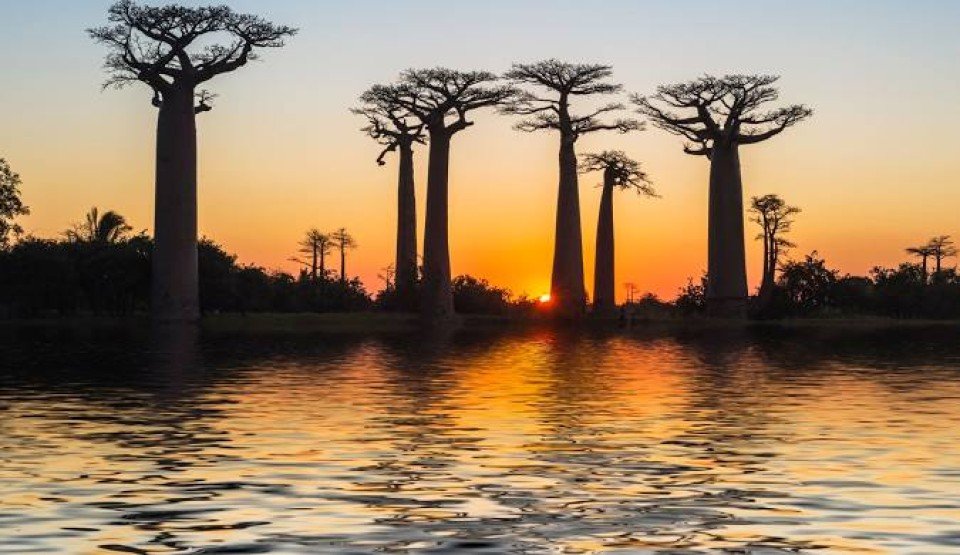
Morondava is a charming coastal town located on the west coast of Madagascar, renowned for its stunning sunsets and unique landscapes. It serves as the gateway to the iconic Avenue of the Baobabs, where visitors can marvel at the ancient and majestic baobab trees that line the dirt road. Morondava is also known for its beautiful beaches and vibrant local culture, with a lively fishing community and markets showcasing fresh seafood and traditional crafts. The nearby Kirindy Forest is home to a variety of wildlife, including the famous fossa and several species of lemurs. With its picturesque surroundings and rich cultural experiences, Morondava offers an unforgettable destination for those looking to explore the natural wonders of Madagascar.
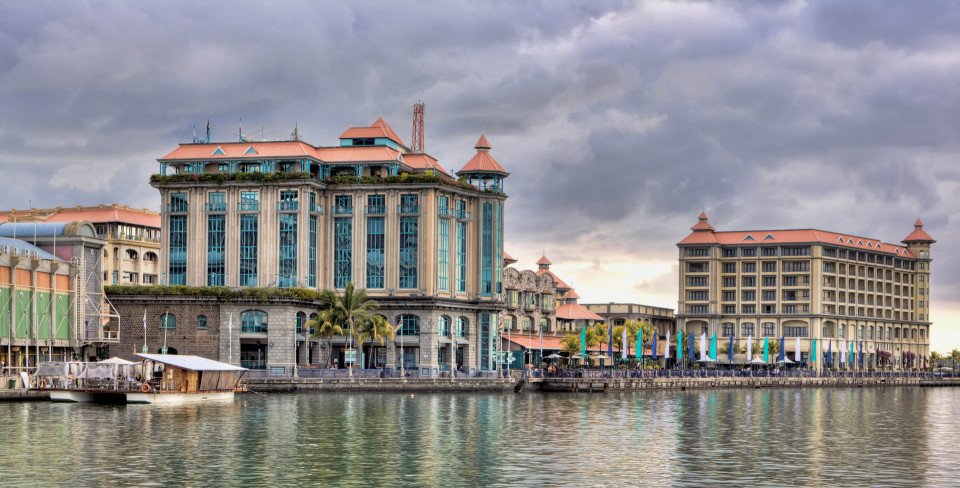
Mauritius’ largest city, Port Louis is a vibrant and exciting place whose culture is a mix of African, Chinese and Indian influences. There are activities and sights to keep you busy and explore the different aspects of the city.
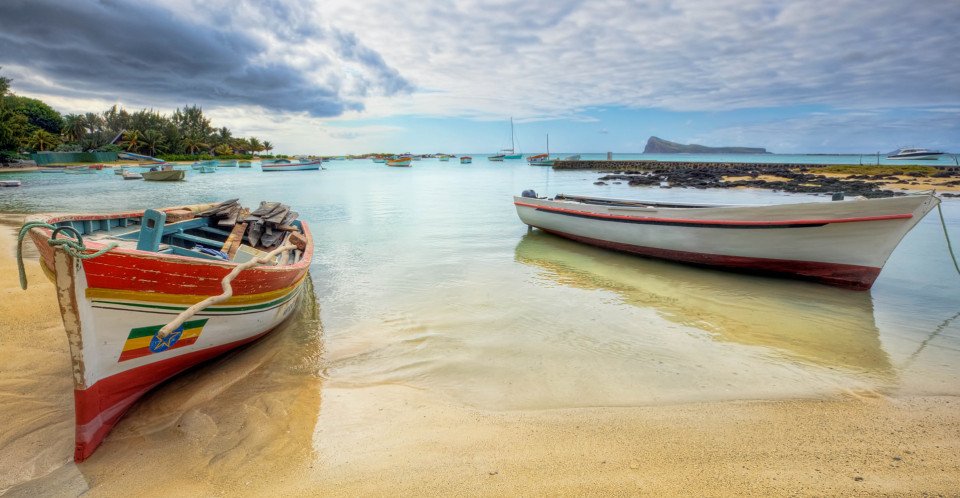
Mauritius is a stunning island nation located in the Indian Ocean, known for its diverse landscapes, rich cultural heritage, and pristine beaches. Surrounded by turquoise waters, the island boasts some of the world's most beautiful beaches, perfect for relaxation and water activities such as snorkelling and diving. The interior features lush mountains, vibrant forests, and the breathtaking Black River Gorges National Park, home to endemic flora and fauna. Mauritius has a rich cultural tapestry, influenced by African, Asian, and European heritage, which is reflected in its cuisine, festivals, and traditions. Visitors can explore bustling markets, historic sites, and charming villages, making it an ideal destination for both adventure and relaxation. With its welcoming atmosphere and natural beauty, Mauritius is a tropical paradise that captivates all who visit.
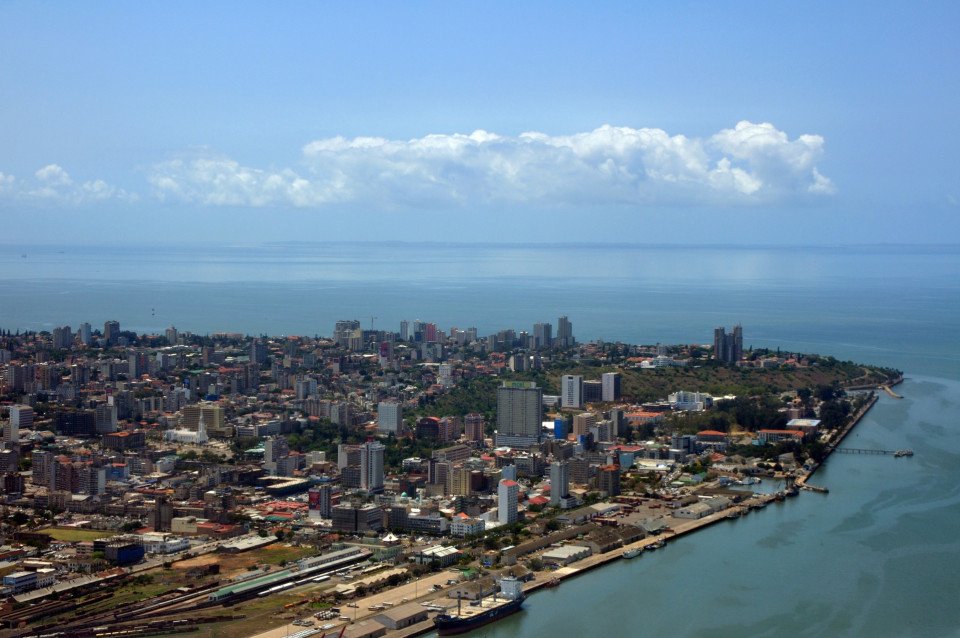
The city of Maputo was founded towards the end of the 18th century, and is influenced by a variety of cultures including Bantu, Arabian and Portuguese. Surrounded by beautiful colonial architecture and stunning natural scenery, it is an ideal base from which to explore the region. The scars from past wars and conflict are still evident, but the city is clearly regenerating, and the original beauty and cultural attractions of the area can easily be appreciated by visitors.
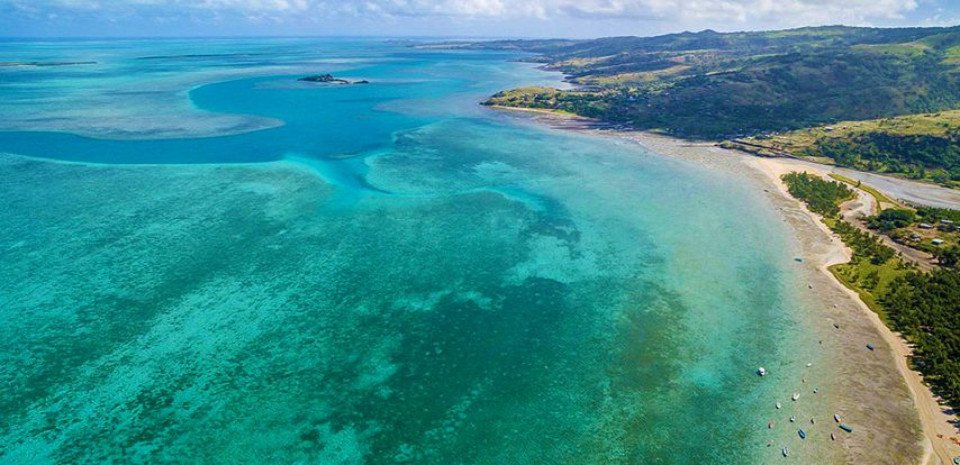
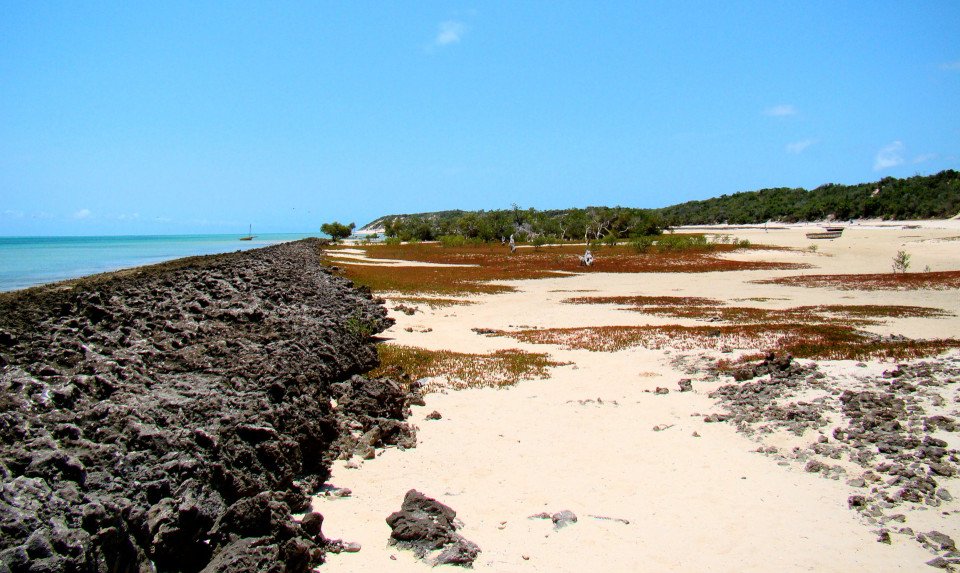
Portuguese Island is a beautiful and serene destination located off the coast of Mozambique, near the town of Inhaca. Known for its stunning white sandy beaches and crystal-clear waters, the island offers a perfect escape for beach lovers and nature enthusiasts. Visitors can enjoy a variety of activities, including snorkelling, diving, and swimming, exploring vibrant coral reefs teeming with marine life. The island is also home to diverse bird species, making it a great spot for birdwatching. With its tranquil atmosphere and lush natural surroundings, Portuguese Island is ideal for relaxation, picnics, and enjoying the picturesque sunsets. Its proximity to the mainland makes it easily accessible for day trips, providing a peaceful retreat from the busier tourist areas of Mozambique.
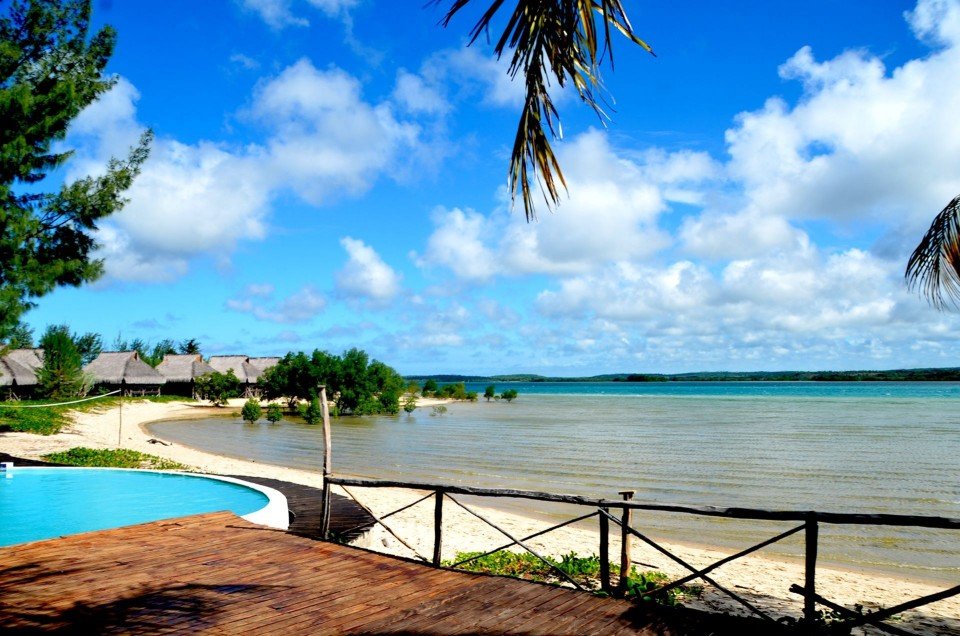
Pomene National Reserve is a stunning protected area located along the central coast of Mozambique, known for its rich biodiversity and pristine natural beauty. The reserve encompasses lush mangroves, sandy beaches, and diverse marine ecosystems, making it a haven for wildlife and nature lovers. Visitors can explore its tranquil lagoons and coral reefs, offering excellent opportunities for snorkelling, diving, and birdwatching. The area is home to a variety of species, including dolphins, sea turtles, and numerous fish, as well as many bird species that thrive in the mangroves. With its unspoilt landscapes and serene atmosphere, Pomene National Reserve provides a perfect setting for eco-tourism and relaxation, attracting those looking to connect with nature in a remote and peaceful environment.
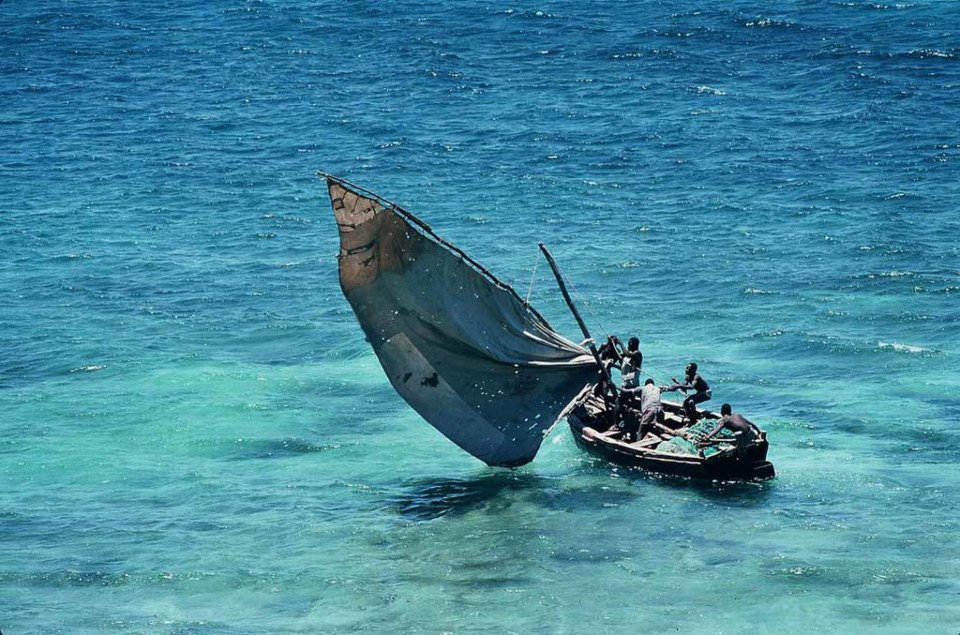
Mozambique Island, also known as Ilha de Moçambique, is a historic island located off the northern coast of Mozambique. Renowned for its rich cultural heritage and colonial architecture, the island was once the capital of Mozambique and a significant trading post in the Indian Ocean. Visitors can explore its narrow streets, featuring a blend of Portuguese, Arab, and African influences, along with notable landmarks such as the Fort of São Sebastião and the Church of Nossa Senhora da Conceição. The island boasts beautiful beaches and vibrant coral reefs, making it an ideal spot for relaxation and water activities like snorkelling and diving. With its captivating history, cultural diversity, and stunning natural surroundings, Mozambique Island offers a unique and enriching experience for travellers seeking to discover the essence of Mozambique.
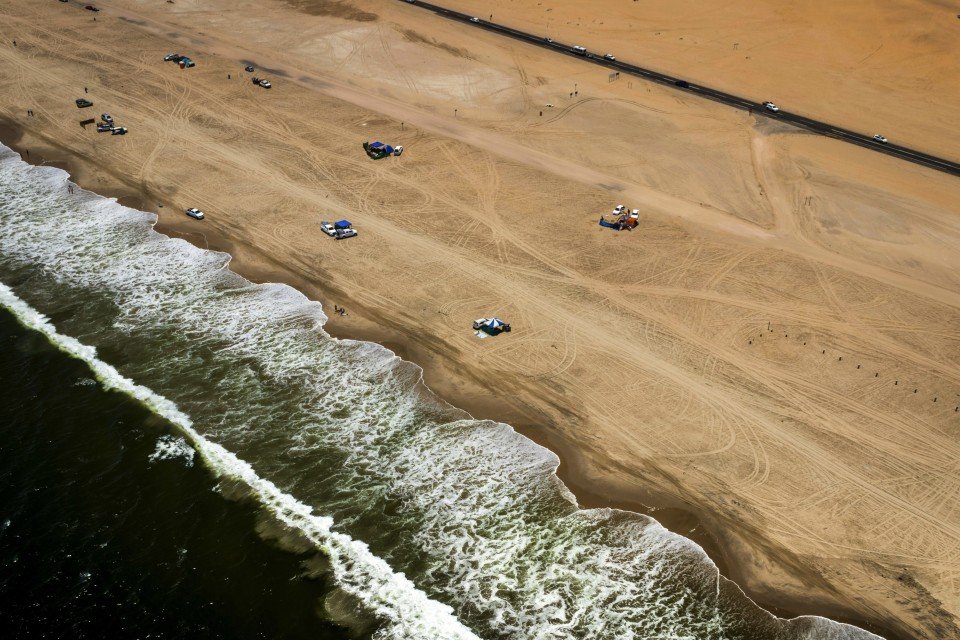
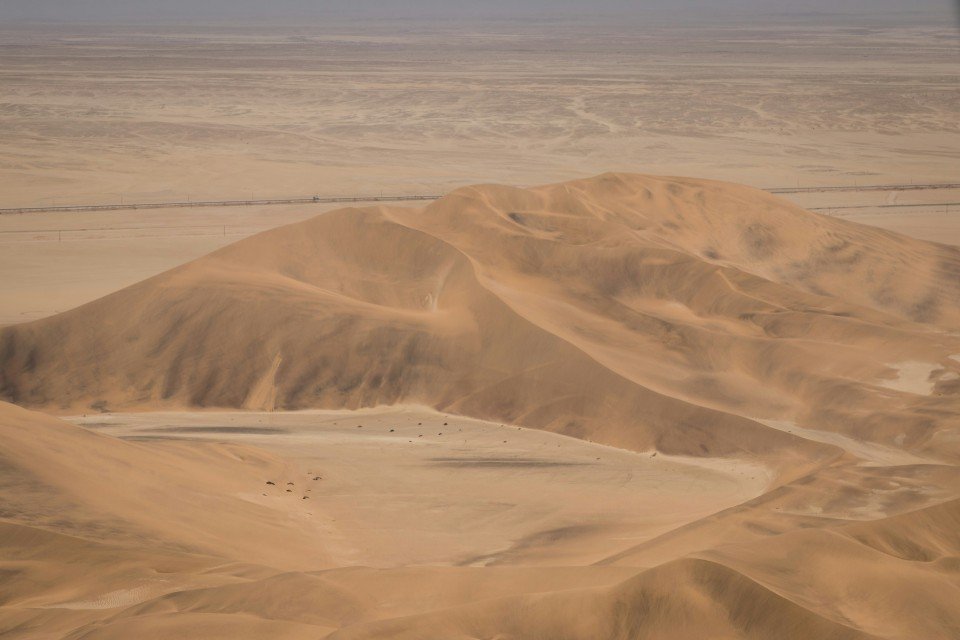
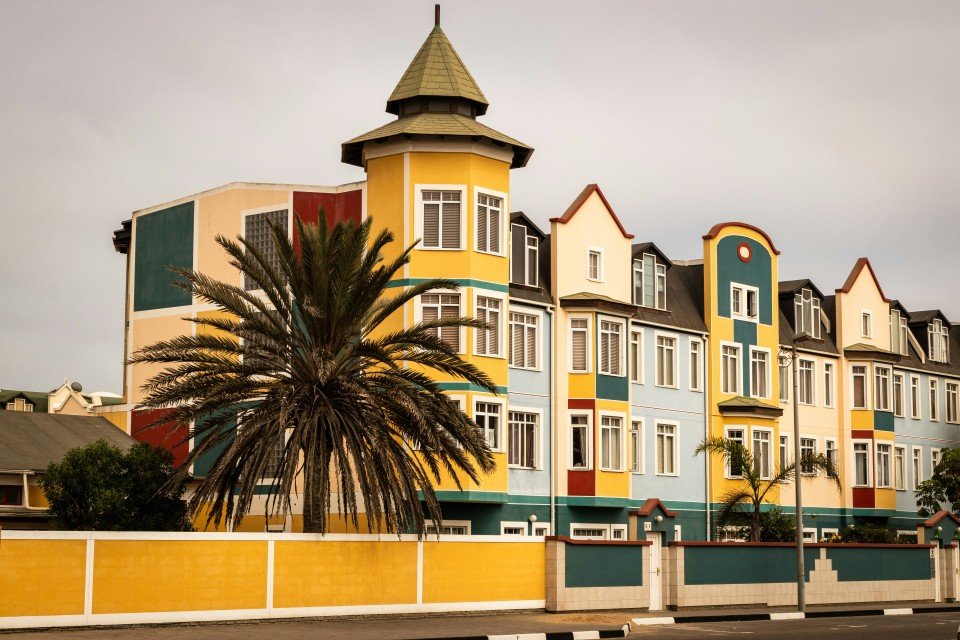
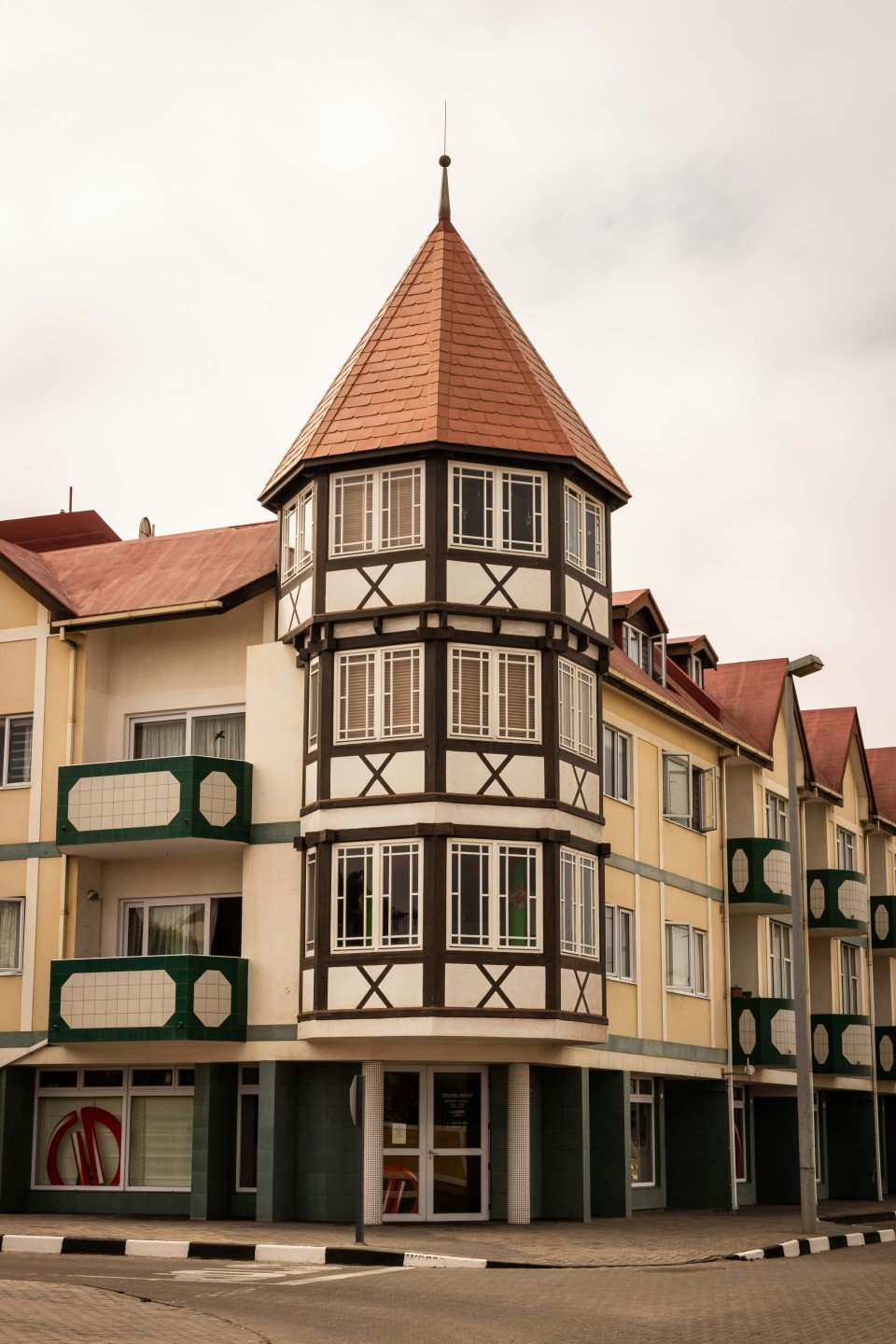
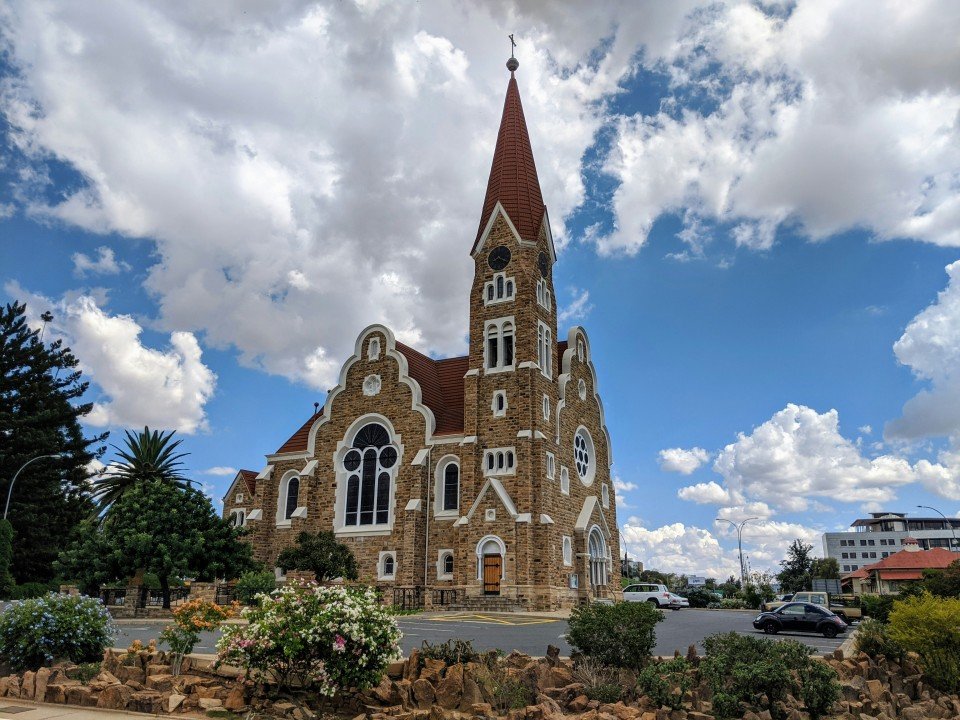
Once a whaling station, Walvis Bay provides a gateway to the extraordinary desert landscapes of Namibia and is itself an area of unusual natural beauty. The showpiece of the Walvis Bay area is the natural lagoon where you can see flamingos in their thousands at certain times of the year, along with a variety of other wading birds such as the white pelican. Further inland you will find the stunning Namib Desert, which provides an unlikely home for a diverse array of wildlife. Alternatively, you could venture into the desert of Sossusvlei, whose mountainous ochre sand dunes are said to be the highest in the world, or visit the colonial town of Swakopmund.
The reopening of the diamond mine at Elizabeth Bay 20 years ago has brought the development of tourism and fishing back to this small 19th century village on the barren, windswept Namib Desert coast. One of Namibias oddities, it has everything you'd expect from a small German town - delicatessens, coffee shops and a Lutheran church. Here, the icy but clean South Atlantic is home to seals, penguins and other marine life and the desolate beaches support flamingoes. It was founded in 1883 when Heinrich Vogelsang purchased Angra Pequena and some of the surrounding land on behalf of Adolf Lüderitz, a Hanseat from Germany, from the local Nama chief. Lüderitz began its life as a trading post, with other activities in fishing and guano-harvesting. As a sign of Luderitz's revival, 1996 staged the first traditional German Karneval since 1960.
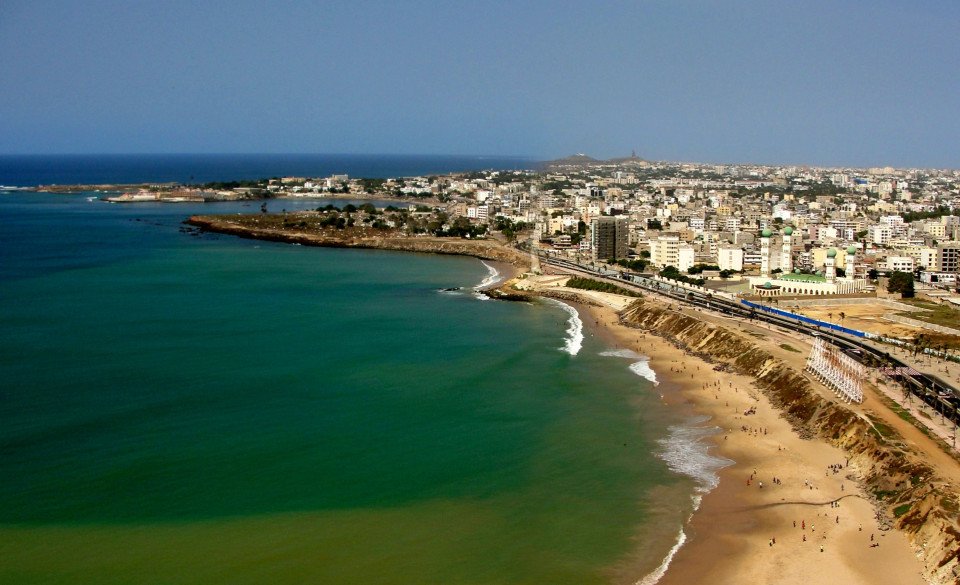
Dakar, set at the tip of the Cape Vert peninsula, is West Africa’s westernmost point and the capital of French-speaking Senegal. Although it was not founded until 1857, it is West Africa’s oldest European city and one of the most westernised. The opening of the Dakar-St Louis railway in 1885 put the town on the map; it subsequently became a French naval base and in 1904, the capital of Afrique Occidentale Française. It bears the legacy of Africa’s French colonial past, especially so in the downtown Plateau area, where the architecture is redolent of southern France. Every inch a modern city, Dakar is a frenetic buzz of activity, which can be startling. Perhaps sample the popular mint tea and try your hand at bartering in the colourful craft markets for traditional embroidery, woodcarvings, metalwork and costume jewellery.
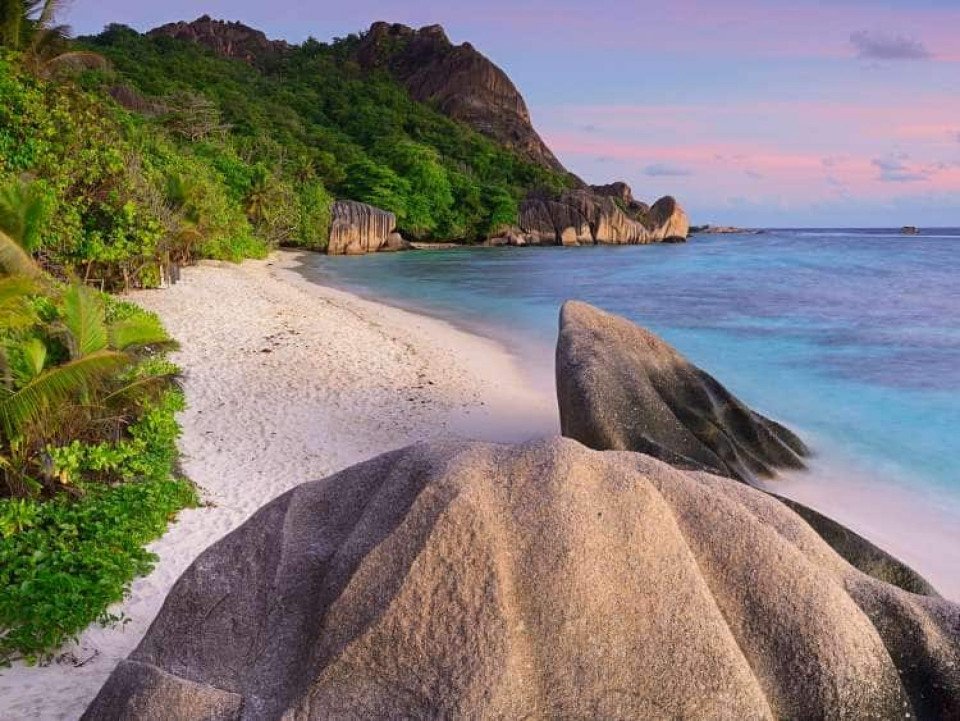
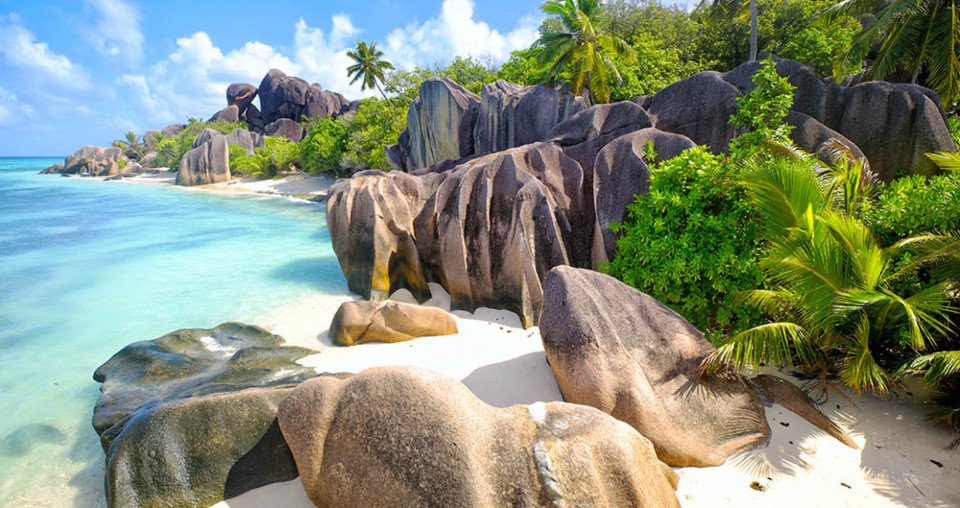
La Digue Island is an island like no other. It is the smallest of the three populated islands in the Seychelles, but the tranquillity will make it feel like you’re the only one there.The stunning surroundings should be soaked up from cycling through the vanilla plantations to lying on the white-sandy beaches, your time on La Digue should be cherished.There is a little more to do on La Digue compared to the smaller, uninhabited islands where you can enjoy full moon tours, surfing and snorkelling with a local.
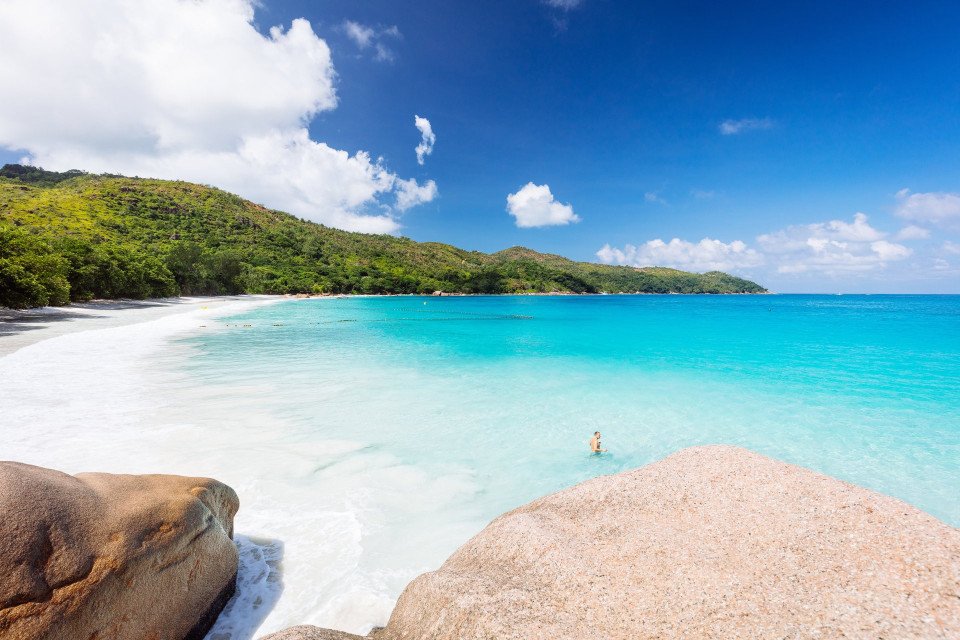
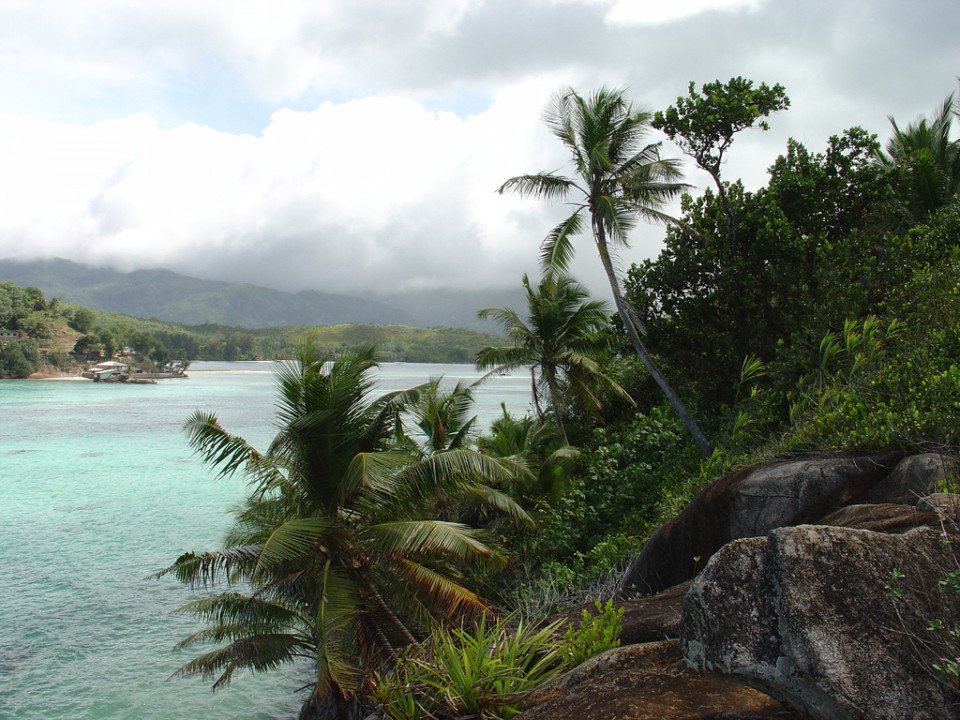
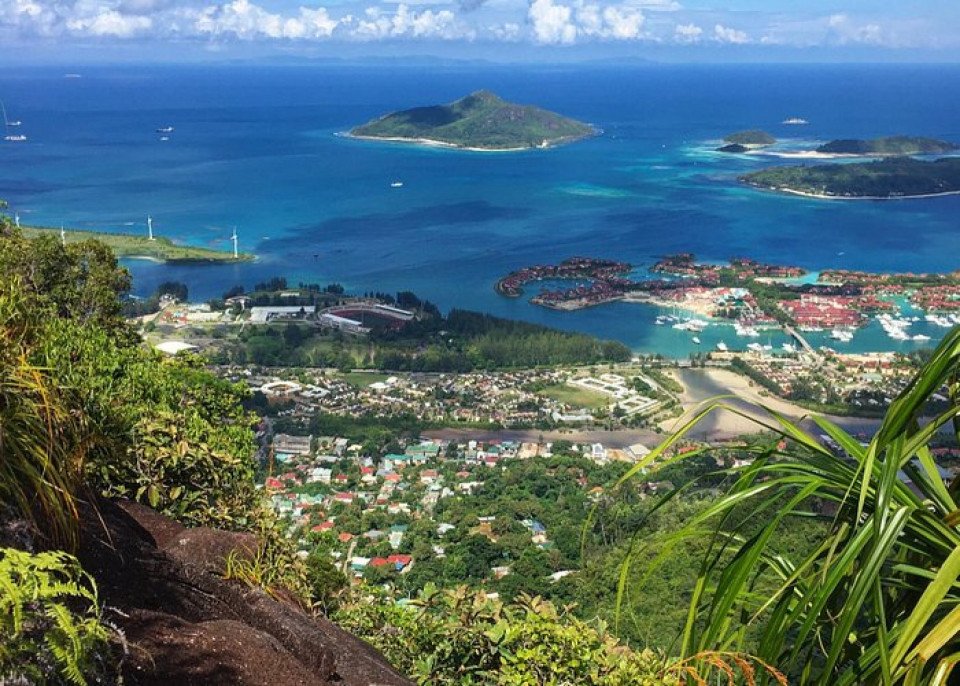
Like jade-coloured jewels in the Indian Ocean, the more than 100 Seychelles Islands are often regarded as the Garden of Eden. Lying just four degrees south of the equator, the Seychelles are some 1,000 miles (1,610 km) from the nearest mainland Africa. Little more than 200 years ago, all 115 islands were uninhabited. Then in 1742 a French ship dispatched from Mauritius sailed into one of the small bays. Captain Lazare Picault was the first to explore these unnamed islands. He encountered breathtaking vistas of rugged mountains, lagoons, coral atolls, splendid beaches and secluded coves. After Picault sailed away, the islands remained untouched for the next 14 years. Then France took possession of the seven islands in the Mahé group. During an expedition Captain Morphey named them the Sechelles, in honour of Vicomte Moreau de Sechelles. This name was later anglicised to Seychelles. The first settlers arrived at St. Anne’s Island in 1770; 15 years later the population of Mahé consisted of seven Europeans and 123 slaves. Today there are about 80,000 Seychellois, the majority of whom live on Mahé; the rest are scattered in small communities throughout the archipelago. The people are a fusion of three continents - Africa, Asia and Europe. This has created a unique culture and the use of three languages - Creole, French and English. Mahé is the largest island in the archipelago and the location of the capital, Victoria. Ringed by steep, magnificent mountains, few capitals can claim a more beautiful backdrop. The town features a mixture of modern and indigenous architecture; it is the centre of business and commerce thanks to the extensive port facilities. Noteworthy sites in Victoria are the museum, cathedral, government house, clock tower, botanical gardens and an open-air market. The major attractions are found outside of town where the island’s quiet, lazy atmosphere delights visitors. With 68 pristine, white sand beaches, Mahé boasts more beaches and tourist facilities than any of the other Seychelles Islands. Beautiful and remote Mahé with its green-clad mountains and palm-fringed beaches is indeed an island of abundance; pleasant surprises are around every bend in the trail. Come ashore and discover for yourself this marvellous island paradise.
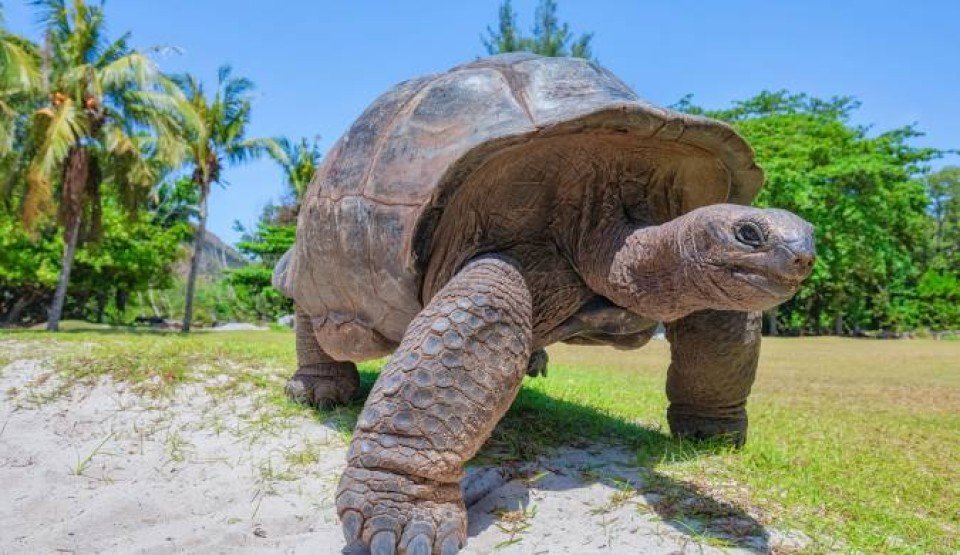
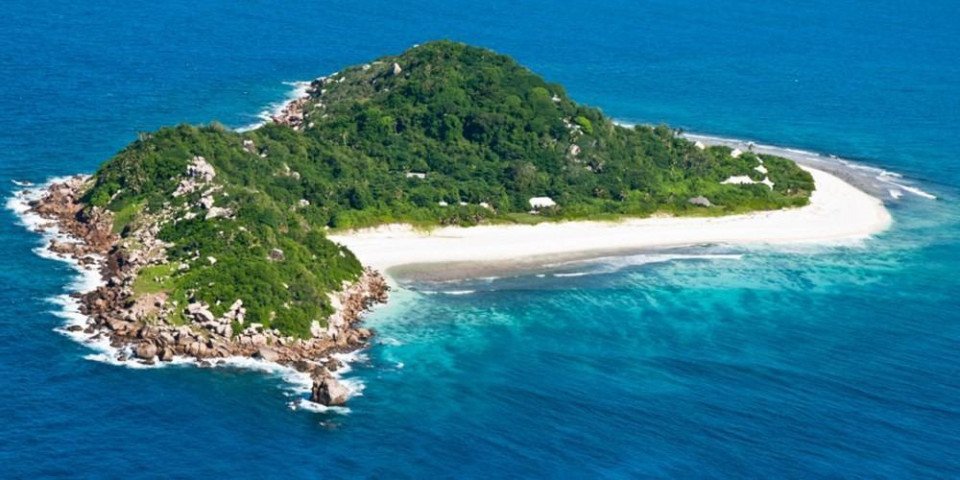
Curieuse Island is a stunning destination in the Seychelles, located just a short boat ride from Praslin Island. Known for its pristine beaches, lush vegetation, and unique wildlife, the island is a protected nature reserve that offers a tranquil escape for nature enthusiasts. One of the island’s highlights is the giant Aldabra tortoises, which roam freely across the island. Visitors can explore the island’s hiking trails, leading to scenic viewpoints and historical sites, such as the remnants of a leper colony and an old plantation house. The crystal-clear waters surrounding Curieuse are perfect for snorkelling and swimming, showcasing vibrant coral reefs and diverse marine life. With its unspoilt beauty and serene atmosphere, Curieuse Island is an idyllic spot for relaxation and exploration in the heart of the Seychelles.
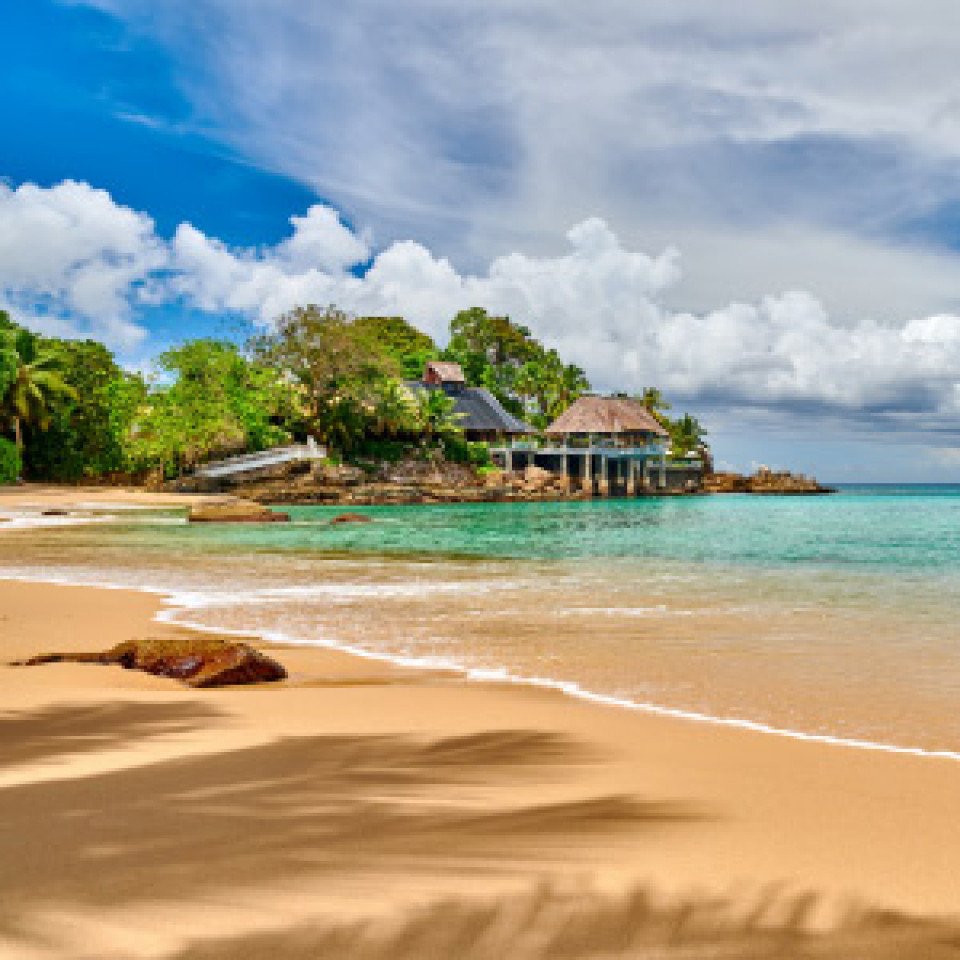
Sainte Anne Island is a picturesque island located just off the northeastern coast of Mahé in the Seychelles. Known for its stunning natural beauty and rich biodiversity, it is part of the Sainte Anne Marine National Park, which encompasses several surrounding islands. The island features pristine beaches, crystal-clear waters, and lush tropical vegetation, making it an ideal destination for relaxation and outdoor activities. Visitors can enjoy snorkelling and diving in vibrant coral reefs, exploring the diverse marine life that thrives in the area. Sainte Anne Island is also home to a variety of bird species, making it a great spot for birdwatching. With its tranquil atmosphere and breathtaking scenery, Sainte Anne Island offers a perfect escape for those looking to experience the natural wonders of the Seychelles.
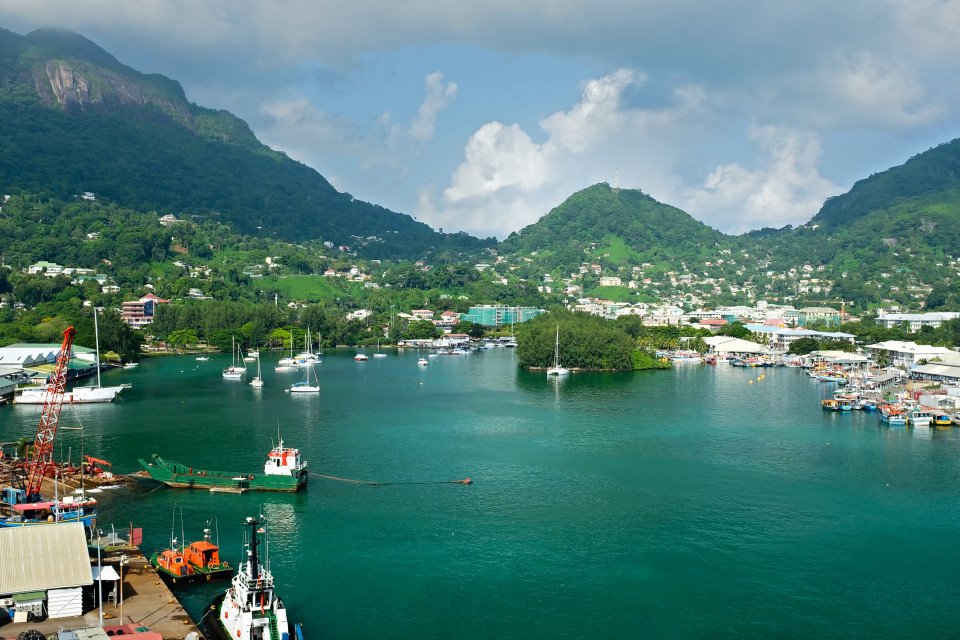
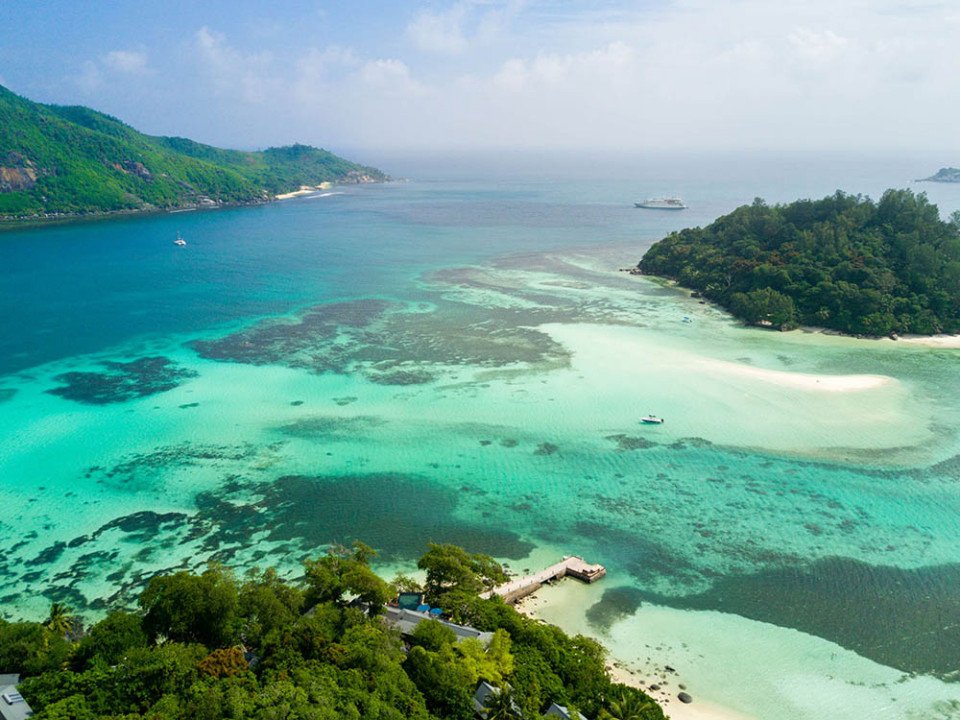
Victoria, the capital city of the Seychelles, is located on the island of Mahé and is one of the smallest capitals in the world. Known for its vibrant culture and stunning natural surroundings, Victoria is a charming blend of colonial architecture and modern life. The city features notable attractions such as the iconic Clock Tower, the bustling Sir Selwyn Selwyn-Clarke Market, and the beautiful botanical gardens, which showcase a variety of endemic plants. Visitors can explore the lively streets filled with shops, restaurants, and art galleries, offering a taste of local life and cuisine. Victoria serves as a gateway to the stunning beaches and natural wonders of Mahé, making it an ideal starting point for exploring the island's breathtaking landscapes. With its rich history and welcoming atmosphere, Victoria is a delightful destination for travellers seeking to immerse themselves in the beauty and culture of the Seychelles.
Forty kilometers (25 miles) northeast of Mahé, Praslin is just a 15-minute flight or 45-minute ferry ride away. Praslin, at 11 km (7 miles) long and 4 km (2.5 miles) wide, is the second-largest island in the Seychelles. First settled as a hideaway by pirates and Arab merchants, the island's original name, Isle de Palmes, bears testament to its reputation as home of the Vallée de Mai UNESCO World Heritage Site: the only place in the world where the famous Coco de Mer, the world's heaviest nut, grows abundantly in the wild. Praslin's endemic palm forests shelter many rare species, and the island is a major bird-watching destination. Surrounded by a coral reef, majestic bays, and gorgeous beaches, Praslin is much quieter and less developed than Mahé. With few real "sights," the pleasures of Praslin largely involve relaxing in or exploring its stunning beaches and fantastical forests.
Aride Island is a stunning nature reserve located in the Seychelles, renowned for its exceptional biodiversity and unspoilt landscapes. As one of the northernmost islands in the archipelago, it is home to some of the largest populations of seabirds in the region, including species such as the sooty tern and the Seychelles magpie-robin. The island features lush vegetation, including endemic plants, and offers breathtaking views of the surrounding turquoise waters. Visitors can explore its hiking trails, which lead to scenic viewpoints and opportunities for birdwatching. The surrounding waters are ideal for snorkelling and diving, showcasing vibrant coral reefs and diverse marine life. With its commitment to conservation and its pristine natural beauty, Aride Island is a perfect destination for nature lovers seeking an authentic experience in the Seychelles.
Port Victoria is the capital and main harbour of the Seychelles, situated on the island of Mahé. Known for its vibrant atmosphere and picturesque surroundings, the port serves as the primary gateway to the archipelago. Visitors can enjoy the scenic views of the harbour, dotted with colourful fishing boats and yachts. The area is home to notable landmarks, including the iconic Clock Tower, which reflects the island's colonial heritage. Port Victoria offers a bustling market scene, where locals sell fresh produce, fish, and handmade crafts, providing a glimpse into Seychellois life. The port also features several restaurants and cafes, offering a taste of the island’s delicious cuisine. As a hub for transportation, Port Victoria connects visitors to other islands in the Seychelles, making it an essential starting point for exploring the stunning natural beauty and diverse attractions of the region.
Assumption Island is a remote and tranquil island located in the Seychelles, approximately 60 kilometres south of Mahé. Known for its pristine beaches and stunning natural landscapes, the island is surrounded by crystal-clear waters and vibrant coral reefs, making it an ideal destination for snorkelling and diving enthusiasts. Assumption Island is home to diverse wildlife, including various seabird species and endemic plants. The island features lush vegetation and offers opportunities for exploration, including walking trails that lead to breathtaking viewpoints. Due to its relative isolation, Assumption Island provides a peaceful escape for those looking to unwind and connect with nature. With its unspoilt beauty and serene atmosphere, Assumption Island is a hidden gem in the Seychelles, perfect for travellers seeking an off-the-beaten-path experience.
Bijoutier Island is a very small island that sits within the St. François Atoll.The uninhabited land takes its name from the French word, bijoutier, meaning "jeweller" and it is indeed a land of jewels. In 2007 the Island Conservation Society established a conservation centre on Alphonse to manage conservation on both Bijoutier and Alphonse.
Astove is the southernmost island in the Seychelles that is bursting with an abundance of coral life. Renowned for the richness of its seabeds, Astove Atoll is a popular spot for fishing enthusiasts. The “Astove Wall”, where the sea floor drops to a depth of about 40 metres, is highly popular with divers wanting to explore this flourishing area where you can often find fish and green sea turtles.
Cosmoledo is just a stone’s throw away from the World Heritage Site of Aldabra Atoll. The island is often described as the Galapagos of the Indian Ocean due to its picture-perfect sands, turquoise waters and exception coral reef. The distinct lack of human intervention has allowed this sacred island to thrive with the rarest wildlife existing within the island and its surrounding waters.
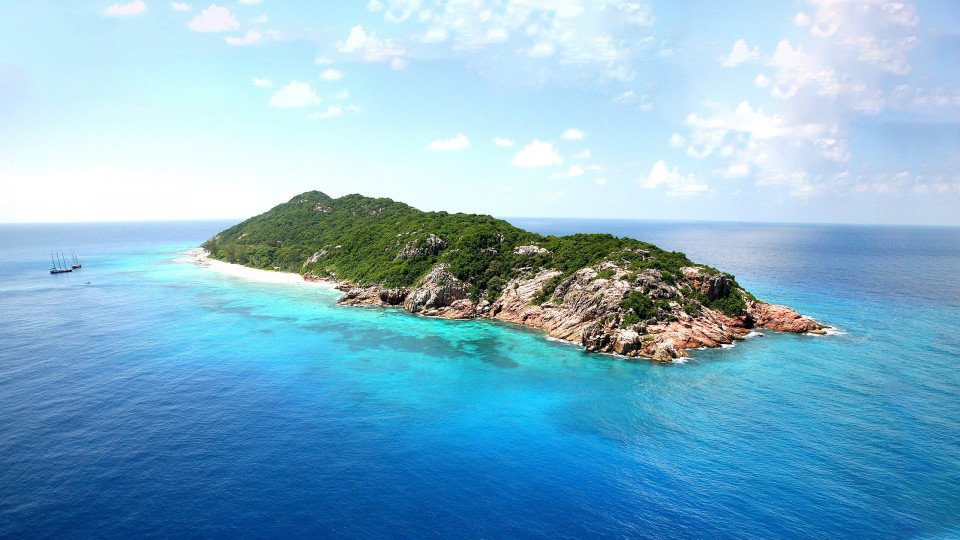
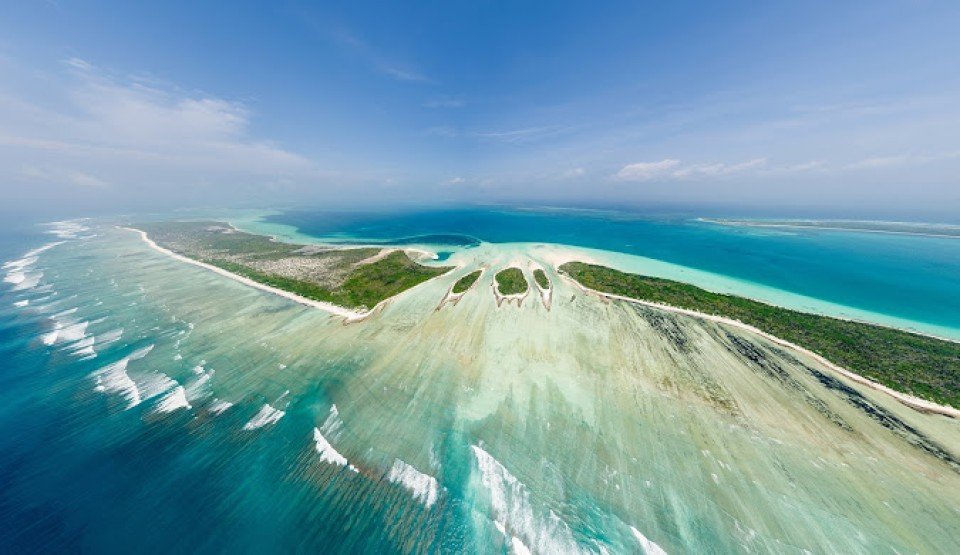
The Poivre Islands are a group of islands that lie in the Outer Islands of Seychelles. These pristine and remote islands demonstrate mother nature’s work at its finest.The isolated, uninhabited and unspoilt islands are rarely visited so your voyage to them during this expedition should be cherished. Enjoy the kaleidoscopic reef life during a Zodiac® outgoing and soak up the warm sunshine.
A hidden gem in a faraway archipelago, Aldabra Atoll is one of the last virtually untouched sanctuaries on earth.Listed as a UNESCO World Heritage Site, Aldabra Atoll is formed by 4 large coral reef islands and 40 smaller islands and rocks. It is one of the world’s most wild and remote regions with the larger reefs surrounding a shallow lagoon teeming with black-tipped sharks, sea turtles and manta rays in the centre of the atoll. Aldabra Atoll truly is a spectacular wonder that is rich in wildlife with Aldabra giant tortoises outnumbering the human population in Seychelles.
The Farquhar Island is part of the Farquhar Group of islands in the Seychelles and was one of the earliest of the Outer Islands to be discovered.Its coral strewn lagoon is teeming with exotic coral and fish who dance in the crystal-clear waters. The salt-water paradise attracts only the most serious of anglers due to its unique variety of species that live here.
Victoria is the capital of Mahé, the largest of the archipelago. there are a magnificent 70 white sandy beaches in Mahé, each more stunning than the last.The rich underwater life that lives within the crystal-clear waters and coral make for a perfect snorkelling exploration. The island is also famous for its splendid mountain panoramas accessible on hikes, such as the Morne Seychellois, which is 905 metres high and overlooks the Indian Ocean.
Coconut trees, white-sand beaches and crystal-clear waters, welcome to Desroches Island.This is the largest island in the Amirantes group in the Outer Islands where you’ll be able to find lush vegetation, spectacular seabeds and incredible wildlife. From sharks and manta rays to sea turtles, Desroches is an island thriving. The small village is home to a chapel and cemetery the lighthouse still in use.
Marie Louise Island is a picturesque, low-lying coral island in the Amirantes group that sits within the Outer Islands in the Seychelles.With very few inhabitants, nature and wildlife thrive on Marie Louise Island. There are significant numbers of Fairy Tern, Lesser Noddy and Brown Noddy and it’s the first island in the Seychelles to be re-colonised by Red-footed Booby following a history of extinction on many islands.
Alphonse Island is an authentic, unspoiled island experience in the Seychelles.
Beautiful white-sand beaches lined with palm trees mark a break between the crystal-clear waters and dense natural forest, of which both are thriving with wildlife. Bijoutier Island is a very small island that sits within the St. François Atoll.
The uninhabited land takes its name from the French word, bijoutier, meaning "jeweller" and it is indeed a land of jewels. In 2007 the Island Conservation Society established a conservation centre on Alphonse to manage conservation on both Bijoutier and Alphonse.
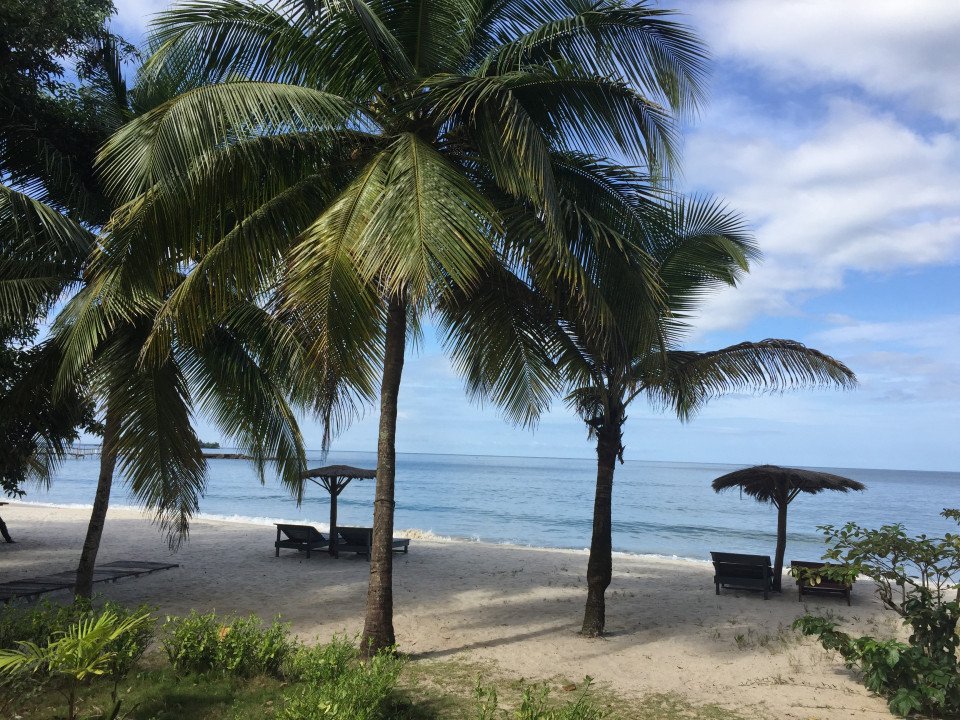
Tokeh, or Tokeh Town as it is also known, is a coastal resort town thatrelies mainly on fishing and tourism. Only twenty miles outside Freetown, thecapital of Sierra Leone, this town is nestled in an area of beautiful scenery,surrounded by mountains, forests and beaches. The Tokeh Beach is considered oneof the largest and most attractive beaches in West Arica. This town was firstfounded by a Sherbo fisherman who settled along the river bank. Much later, in1968, a prominent barrister from Sierra Leone purchased the land, and inpartnership with a French company, developed the village. Today, it is athriving town with the resort, a church, mosque, community center, school andabout 6000 residents.
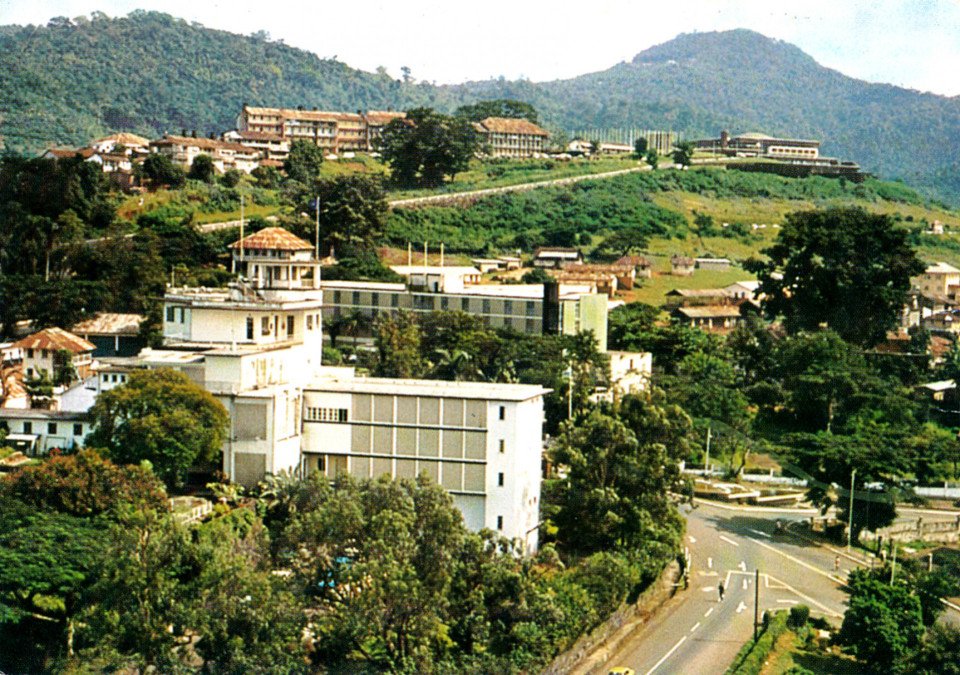
Freetown, the capital city of Sierra Leone, is a vibrant coastal city known for its rich history and stunning natural beauty. Founded in the late 18th century as a settlement for freed slaves, Freetown has a diverse cultural heritage, reflected in its lively markets, music, and cuisine. The city is surrounded by beautiful beaches, such as Lumley Beach and Tokeh Beach, offering opportunities for relaxation and water activities. Visitors can explore historical sites like the Cotton Tree, a symbol of freedom, and the Sierra Leone National Museum, which showcases the country’s history and culture. Freetown also serves as a gateway to the scenic landscapes of the surrounding region, including the lush hills and national parks. With its warm hospitality and rich cultural tapestry, Freetown is an inviting destination for those looking to experience the heart of Sierra Leone.
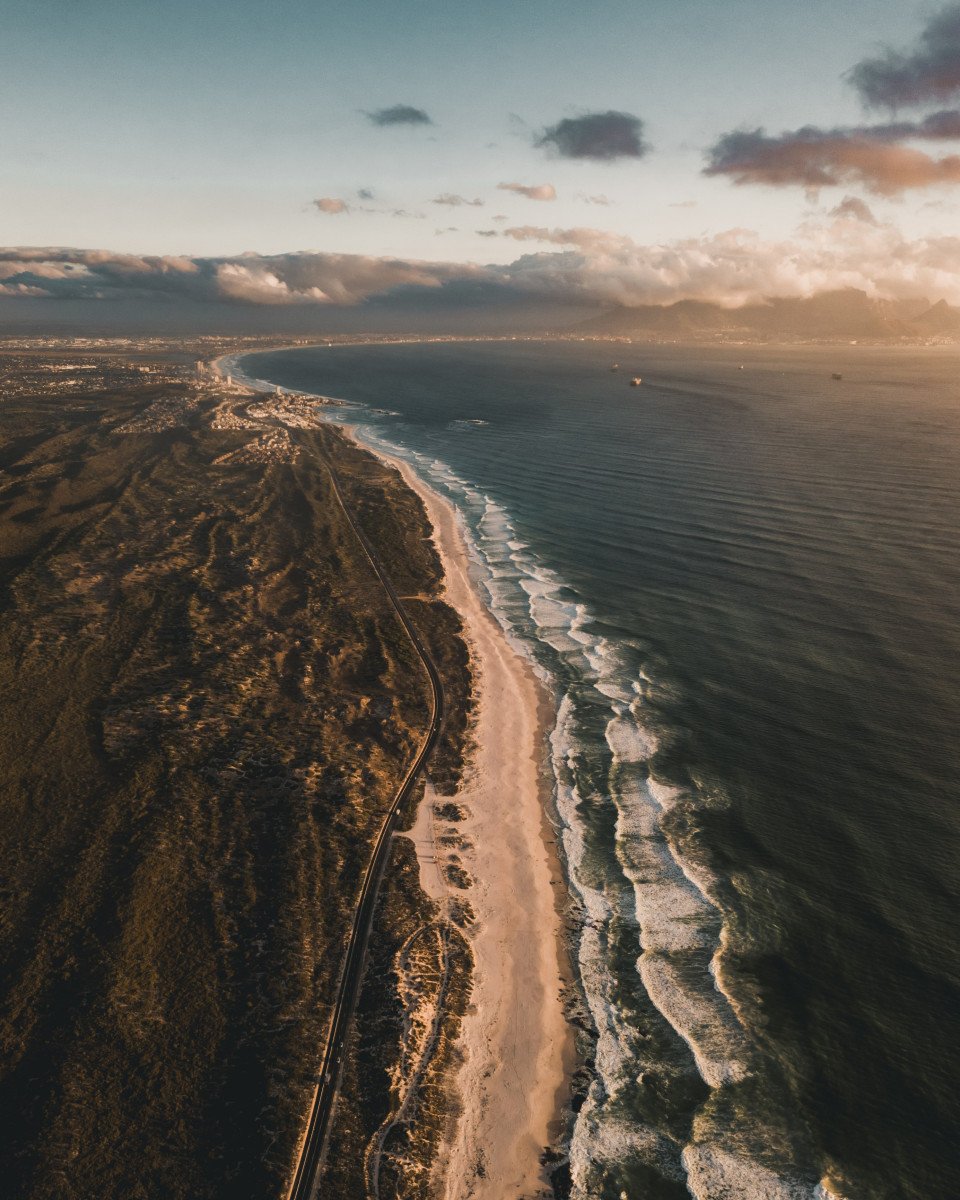
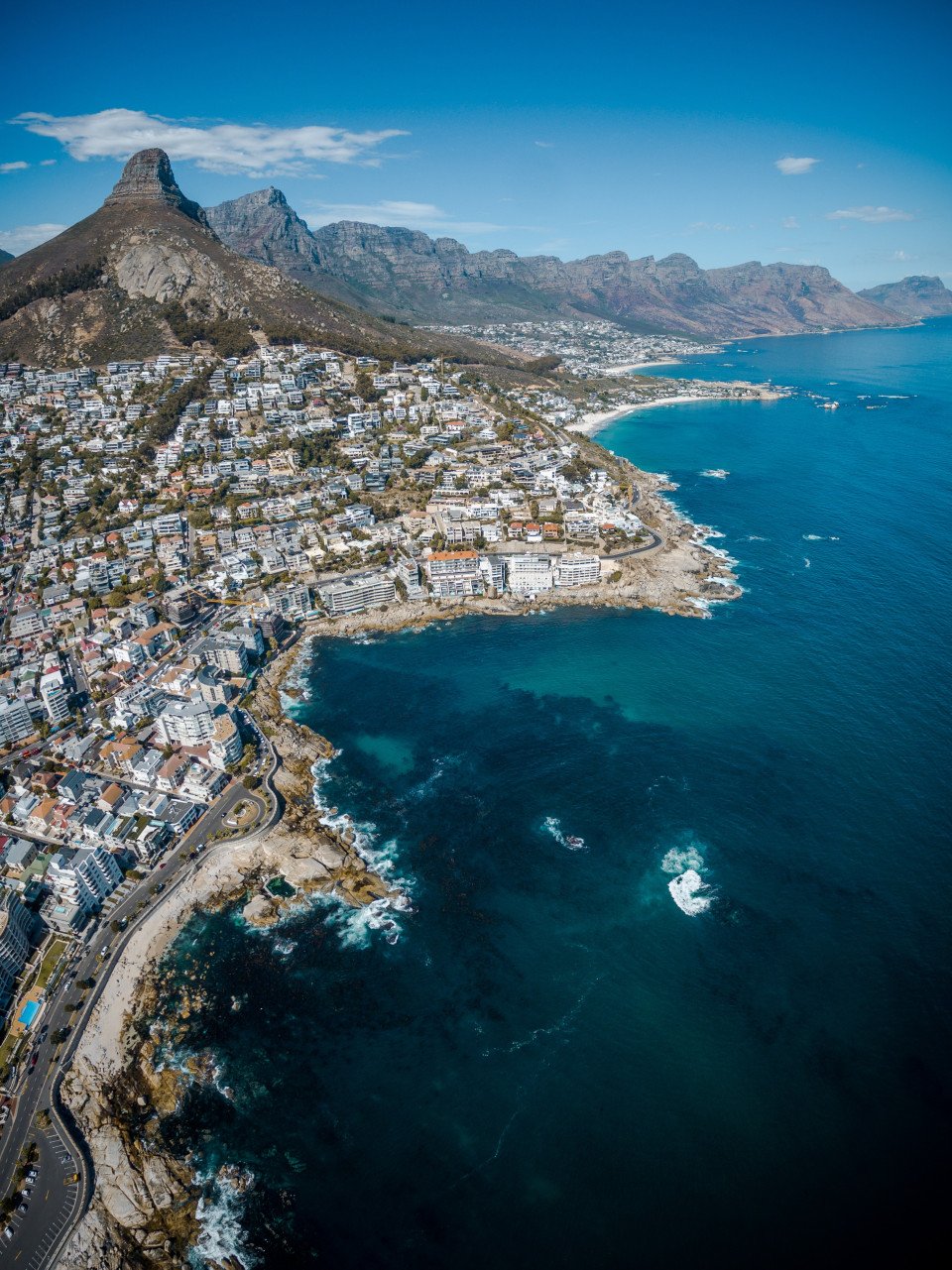
Sometimes referred to as the Mother City, Cape Town is the most famous port in South Africa and is influenced by many different cultures, including Dutch, British and Malay. The port was founded in 1652 by Dutch explorer Jan Van Riebeeck, and evidence of Dutch colonial rule remains throughout the region. The port is located on one of the world's most important trade routes, and is mainly a container port and handler of fresh fruit. Fishing is another vital industry, with large Asian fishing fleets using Cape Town as a logistical repair base for much of the year. The region is famous for its natural beauty, with the imposing Table Mountain and Lions Head, as well as the many nature reserves and botanical gardens such as Kirstenbosch which boasts an extensive range of indigenous plant life, including proteas and ferns. Cape Town's weather is mercurial, and can change from beautiful sunshine to dramatic thunderstorms within a short period. A local adage is that in Cape Town you can experience four seasons in one day.
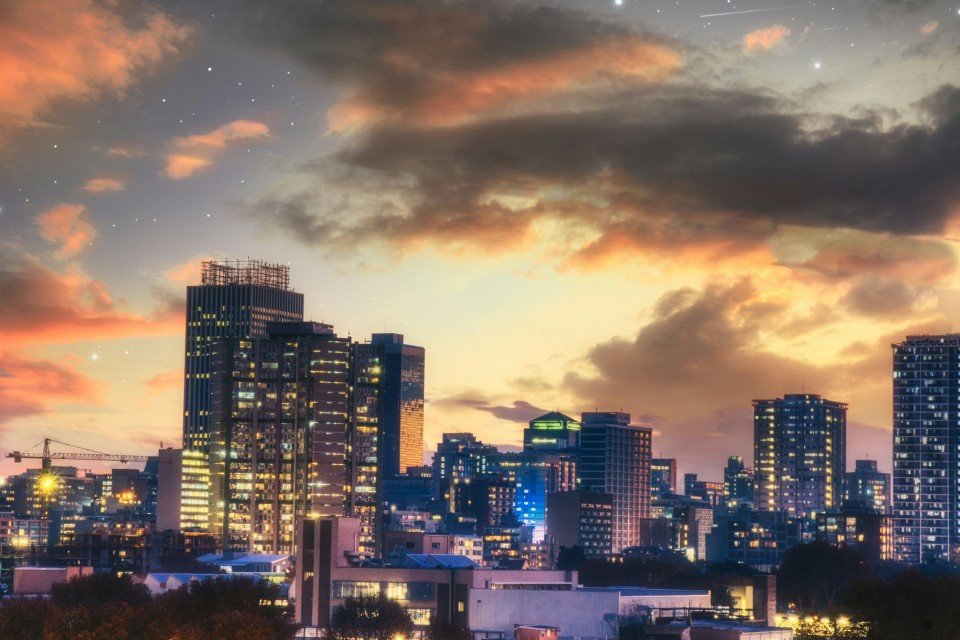
Often referred to as Joburg or Jozi, Johannesburg is the largest city in South Africa and acts as the cultural and economic hub of the country. Characterised by vibrant energy, Johannesburg offers a unique blend of cultures and experiences, featuring a modern skyline, bustling street markets, and historical sights such as Constitution Hill. Though Johannesburg has suffered challenges in its history, it has continued to take shape as a dynamic metropolis offering an amalgamation of art, history and urban exploration for its residents and visitors.
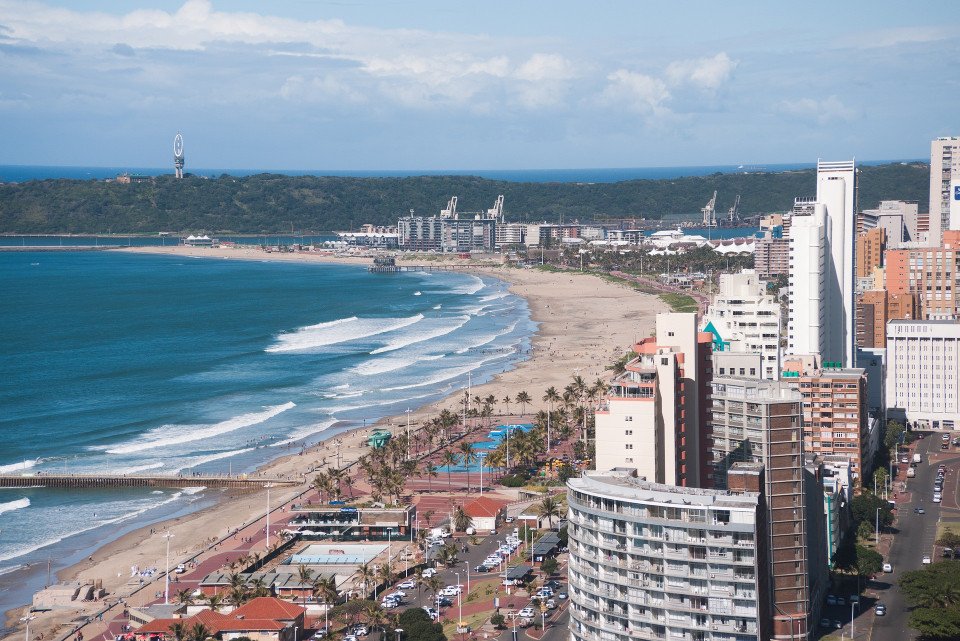
Durban, a glistening jewel on the south-east coast of Africa, is the third largest city in South Africa and the major city of KwaZulu-Natal. It has been a centre of sea trade since before colonisation and now has a flourishing artistic centre, which perfectly complements the vibrant markets and rich cultures of the city. Durban’s port is a natural half-moon harbour lined with white sand and azure water, punctuated by the port’s many piers which reach into the water like the leaves of a fan. The beaches of Durban’s famous Golden Mile stretch along the harbour and are popular all year round, as travellers and locals alike enjoy Durban’s warm, humid summers and mild, dry winters.
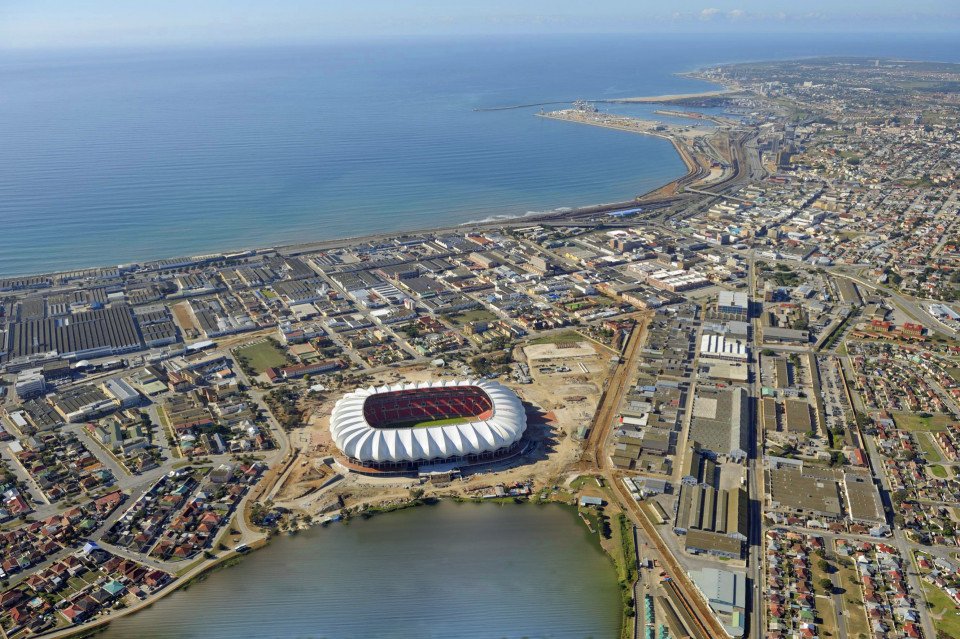
Originally the home of the San and Khoisan people and later the Xhosa tribe, the area now known as Gqeberha (previously Port Elizabeth) became a landing place for passing European ships after Portuguese navigator Bartolomew Diaz arrived in Algoa Bay in 1488. As part of the Cape Colony, the British occupied the area during the Napoleonic Wars and it was they who built Fort Frederick here in 1799. Twenty-one years later 4,000 settlers arrived, becoming the first permanent British residents of South Africa and Gqeberha. Sir Rufane Donkin, Acting Governor of the Cape Colony, founded Port Elizabeth, naming the settlement after his late wife. The town underwent rapid growth after 1873 following the construction of the railway to Kimberley, and is now one of the country’s major seaports. Like most South African cities, miles of beautiful coastline surround Gqeberha. Algoa Bay combines warm water and fair breezes, making it a mecca for swimmers and water sports enthusiasts. Those interested in history can follow the Donkin Heritage Trail, past a succession of Victorian and Edwardian town houses, trim gardens and neo-Gothic churches. Just outside the town are a number of game reserves, including the famous Addo Elephant National Park.
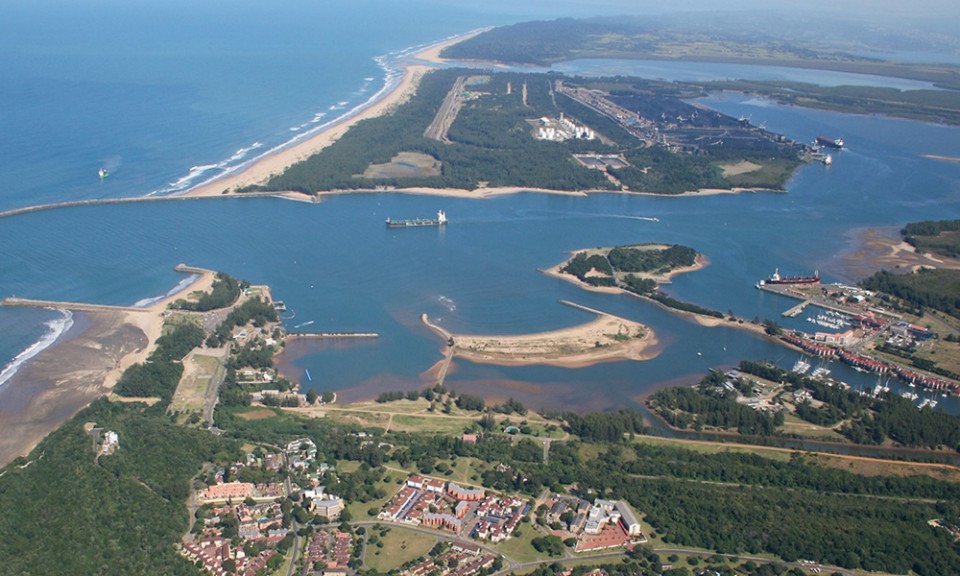
South Africa’s largest harbour is located on a lagoon on the Mhlatuze River on the northern coast of KwaZulu-Natal and takes its name from Admiral Sir F W Richards who sailed into the bay to deliver supplies to the troops during the Anglo/Zulu War of 1879. The Richards Bay lagoon was declared a game reserve in 1935, when conservationists objected to the growing industrialisation here. This however did nothing to halt development. Instead a compromise was agreed and a wall was built across the length of the bay to divide the lagoon. The north side became the seaport and the south remained a sanctuary for waterfowl and wildlife. The lagoon is famous for being the site where the longest crocodile ever recorded was shot by hunter John Dunn - it measured over 20 feet. The town was built on the shores of the lagoon in 1954 and although it was only a small fishing community in the 1960s, the development of the deep water harbour and railway in 1976 prompted the growth of the much larger township you see today. The bustling town is now a popular holiday destination with its unspoilt beaches at the edge of the Indian Ocean, year-round sunshine and excellent recreational facilities including surfing and fishing. It is also an excellent gateway to Zululand and the KwaZulu wildlife reserves. Richards Bay has recently undergone a major renovation that has given the town a Caribbean feel.
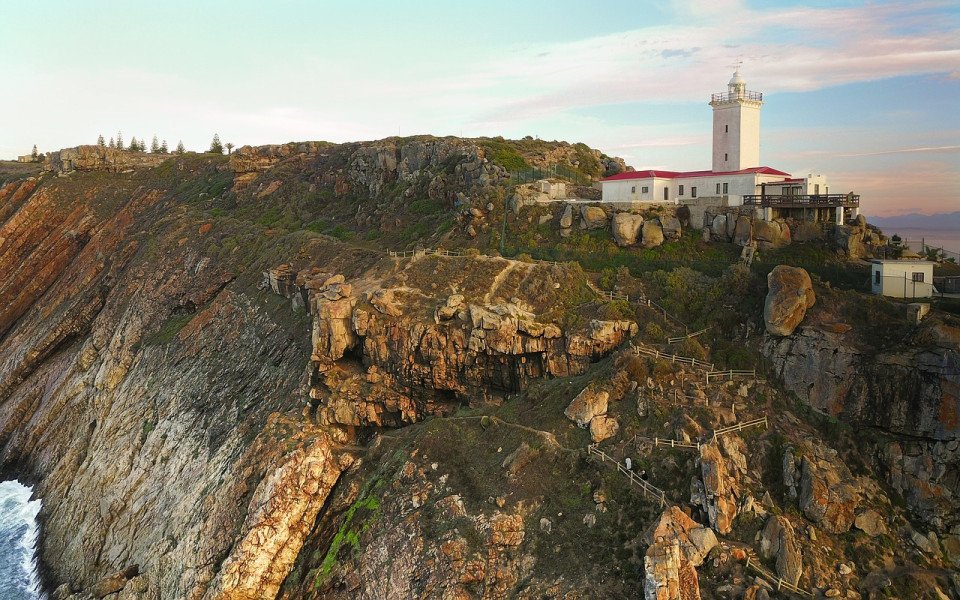
Mossel Bay is a picturesque coastal town located along the Garden Route in South Africa. Known for its stunning beaches, mild climate, and rich maritime history, it is a popular destination for both locals and tourists. The town features a variety of attractions, including the famous Cape St. Blaize Lighthouse, which offers breathtaking views of the ocean and surrounding coastline. Mossel Bay is also home to the Dias Museum Complex, where visitors can learn about the town’s history, including its significance as a stopping point for early explorers. Outdoor enthusiasts can enjoy a range of activities such as whale watching, hiking along scenic trails, and exploring nearby nature reserves. With its charming atmosphere, beautiful landscapes, and vibrant local culture, Mossel Bay is an ideal destination for those seeking relaxation and adventure along the southern coast of South Africa.
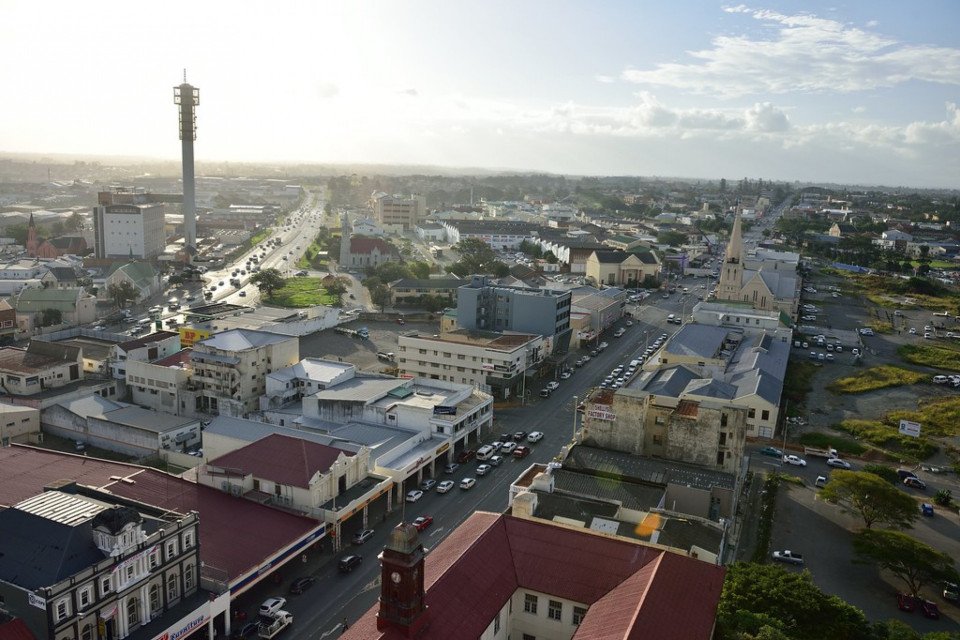
South Africa’s only river port city is situated on the south-east Indian Ocean coast between the Buffalo and Nahoon Rivers. Its location is widely regarded as one of the most attractive on the Eastern Cape coast and it is ideally placed for exploring the coast towards Port Elizabeth and the surrounding Transkei region. The city you see today was born when the British-built Fort Glamorgan was constructed here in 1847 and it was British governor Sir Harry Smith who named the town London after the Empire’s capital as an open declaration about its promising position as a port. The town later became East London due to its location on the east of the Buffalo River, and in more recent times is sometimes referred to as Buffalo City. East London is renowned for its superb golden beaches such as Eastern, Orient and Nahoon, both popular with surfers, and a variety of places to dine and drink have sprung up along the bustling beachfront. While the city is predominantly modern you can see a number of historic buildings and monuments such as City Hall, whose clock tower commemorates the Diamond Jubilee of Queen Victoria.
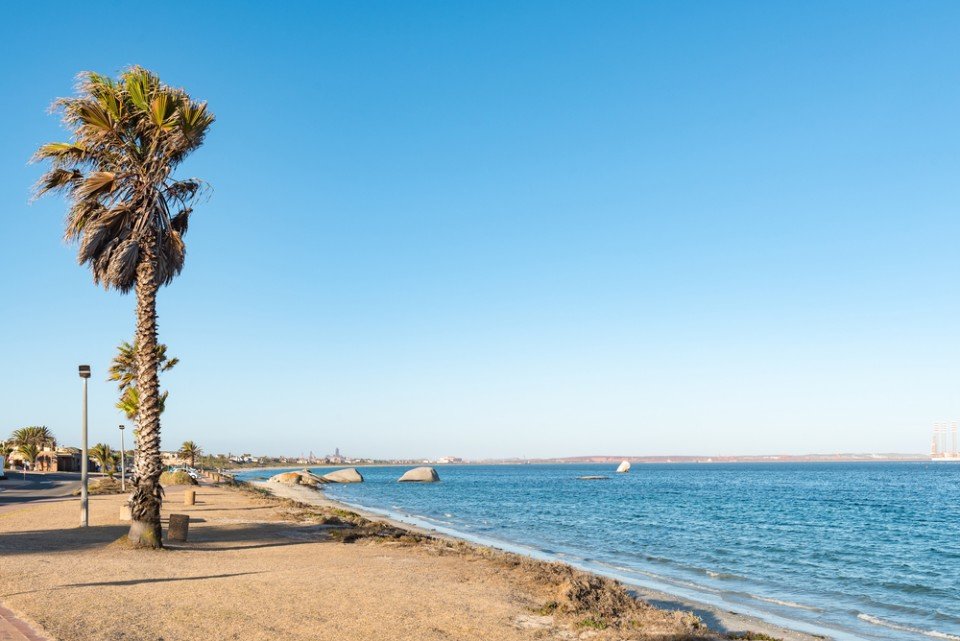
Saldanha Bay, located on the west coast of South Africa, is a charming coastal town celebrated for its natural deep-water harbour and stunning seaside landscapes. Known for its thriving marine life and rich historical significance, it offers visitors a perfect retreat with opportunities for fishing, water sports, and exploring the unspoiled coastline. Its tranquil atmosphere and proximity to nature make it an ideal destination for a relaxing getaway.
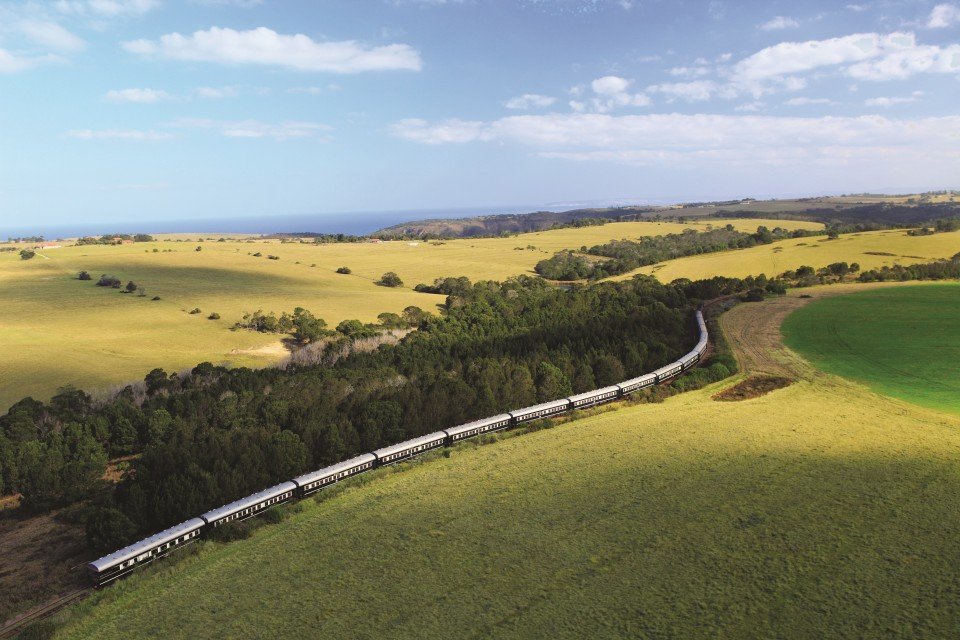
Rovos Rail is a luxury train service in South Africa, renowned for offering an exquisite travel experience across the country’s stunning landscapes. Often referred to as the "most luxurious train in the world," Rovos Rail combines vintage elegance with modern comforts, featuring beautifully appointed cabins, gourmet dining, and impeccable service. The train journeys traverse iconic routes, including the scenic Garden Route and the historic journey from Pretoria to Cape Town, allowing passengers to witness the diverse beauty of South Africa’s countryside, mountains, and wildlife. Onboard, guests can enjoy leisurely meals and a selection of fine wines while soaking in the panoramic views. With its commitment to providing an unforgettable travel experience, Rovos Rail is a unique way to explore South Africa's rich heritage and breathtaking scenery in style and comfort.
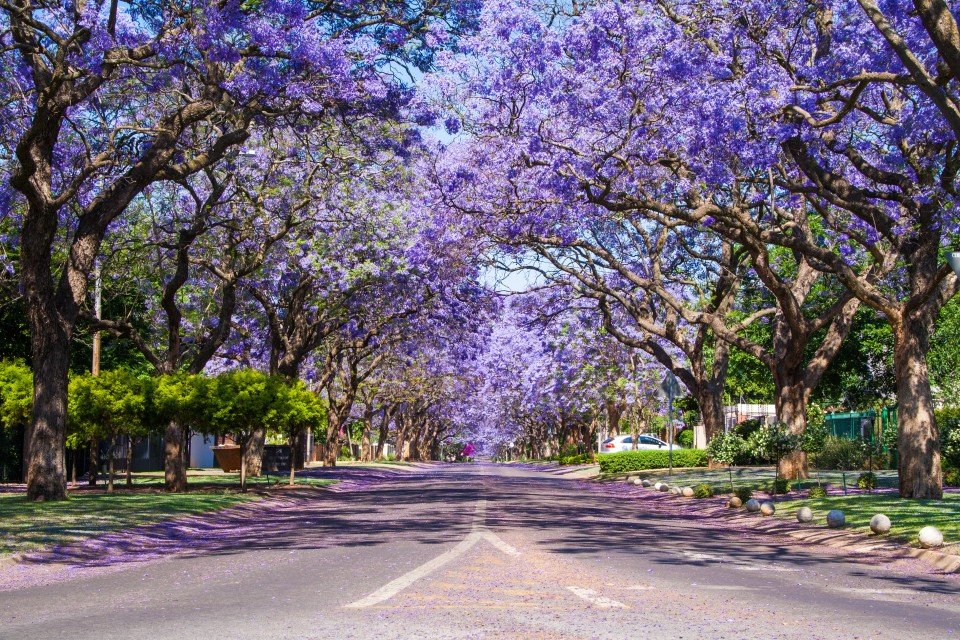
Pretoria, one of South Africa's three capital cities, is known for its rich history, stunning architecture, and beautiful gardens. Often referred to as the "Jacaranda City" due to its abundance of jacaranda trees that bloom in vibrant purple, Pretoria offers a mix of cultural attractions and natural beauty. Key landmarks include the Union Buildings, which house the offices of the President, and the iconic Voortrekker Monument, commemorating the Afrikaner pioneers. Visitors can explore the serene Pretoria Botanical Gardens, the lively markets, and the National Zoological Gardens. The city also boasts a vibrant arts and culture scene, with various galleries and theatres showcasing local talent. With its blend of historical significance and lush surroundings, Pretoria is an inviting destination for those looking to experience the diverse heritage of South Africa.
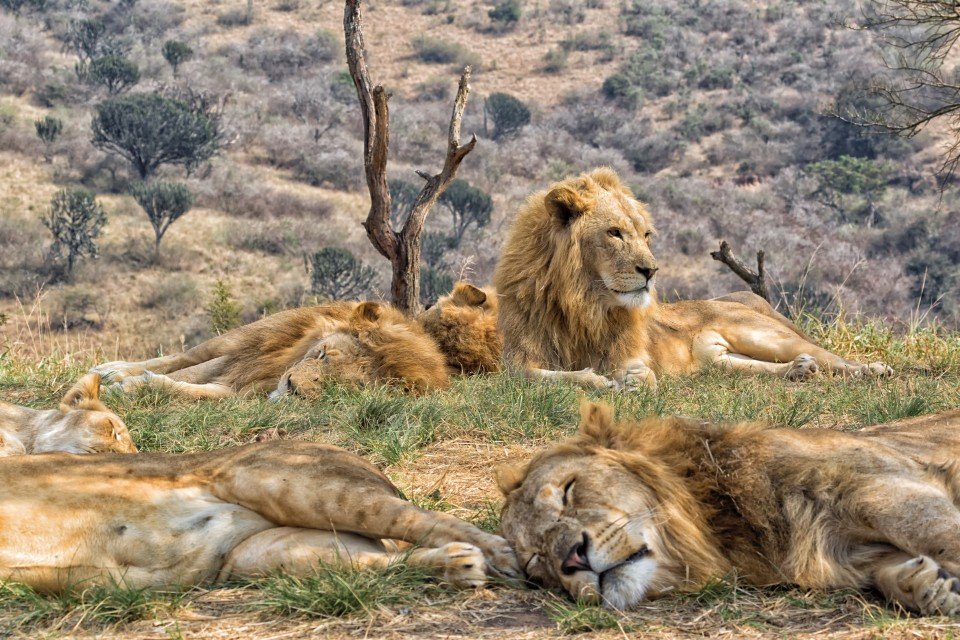
Kruger National Park is one of Africa's largest and most renowned game reserves, located in the northeastern part of South Africa. Spanning nearly 20,000 square kilometres, it is home to an impressive diversity of wildlife, including the Big Five: lions, leopards, elephants, rhinos, and buffaloes. The park offers a range of safari experiences, from self-drive options to guided tours led by knowledgeable rangers. Visitors can explore a variety of habitats, including savannahs, rivers, and woodlands, each teeming with unique flora and fauna. Kruger is also known for its well-maintained road network, making it accessible for all types of vehicles. With a range of accommodation options, from luxury lodges to camping facilities, Kruger National Park provides an unforgettable experience for nature lovers and wildlife enthusiasts seeking to immerse themselves in the African wilderness.
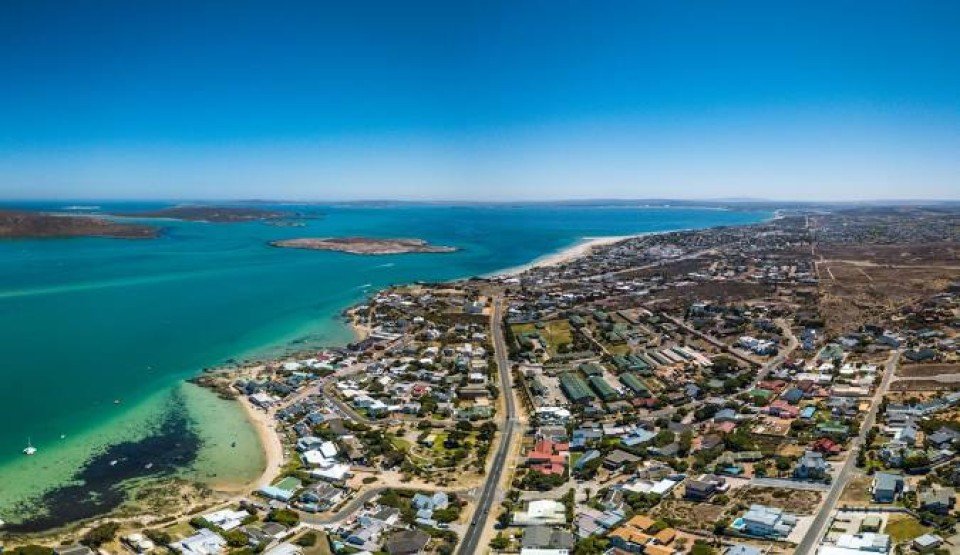
Langebaan is a picturesque coastal town located along the West Coast of South Africa, known for its stunning lagoon and outdoor recreational activities. The town is situated within the West Coast National Park, where visitors can explore pristine beaches, diverse flora, and abundant birdlife, particularly during the migratory season. Langebaan is a popular destination for water sports, including kite surfing, sailing, and kayaking, thanks to its calm waters and favourable winds. The vibrant town centre features a variety of restaurants, shops, and art galleries, offering a taste of local culture and cuisine. With its breathtaking landscapes and laid-back atmosphere, Langebaan is an ideal getaway for nature lovers and adventure seekers looking to experience the beauty of South Africa's coastline.
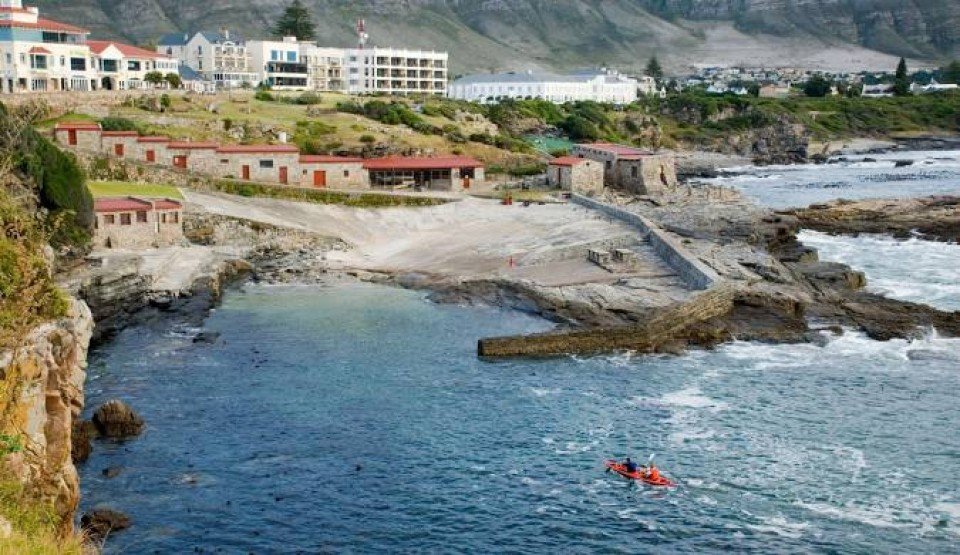
Hermanus is a charming coastal town located along the southern coast of South Africa, renowned for its spectacular whale watching opportunities and breathtaking scenery. Situated between the mountains and the ocean, Hermanus is famous for its stunning cliffs and beautiful beaches, making it a popular destination for both relaxation and outdoor activities. The town is particularly known for its Southern Right whales, which can be spotted from the shore between June and December during their annual migration. Visitors can enjoy the scenic coastal paths, visit the local markets, and explore nearby nature reserves such as Fernkloof. The vibrant dining scene showcases fresh seafood and local wines, adding to the town's appeal. With its unique blend of natural beauty and cultural charm, Hermanus is an inviting destination for nature lovers and those seeking a tranquil escape.
This ancient isle once ruled by sultans and slave traders served as the stepping stone into the African continent for missionaries and explorers. Today it attracts visitors intent on discovering sandy beaches, pristine rain forests, or colorful coral reefs. Once known as the Spice Island for its export of cloves, Zanzibar has become one of the most exotic flavors in travel, better than Bali or Mali when it comes to beauty that’ll make your jaw drop.Separated from the mainland by a channel only 35 km (22 miles) wide, and only 6 degrees south of the equator, this tiny archipelago—the name Zanzibar also includes the islands of Unguja (the main island) and Pemba—in the Indian Ocean was the launching base for a romantic era of expeditions into Africa. Sir Richard Burton and John Hanning Speke used it as their base when searching for the source of the Nile. It was in Zanzibar where journalist Henry Morton Stanley, perched in an upstairs room overlooking the Stone Town harbor, began his search for David Livingstone.The first ships to enter the archipelago's harbors are believed to have sailed in around 600 BC. Since then, every great navy in the Eastern Hemisphere has dropped anchor here at one time or another. But it was Arab traders who left an indelible mark. Minarets punctuate the skyline of Stone Town, where more than 90% of the residents are Muslim. In the harbor you'll see dhows, the Arabian boats with triangular sails. Islamic women covered by black boubou veils scurry down alleyways so narrow their outstretched arms could touch buildings on both sides. Stone Town received its odd name because most of its buildings were made of limestone and coral, which means exposure to salty air has eroded many foundations.The first Europeans who arrived here were the Portuguese in the 15th century, and thus began a reign of exploitation. As far inland as Lake Tanganyika, slave traders captured the residents or bartered for them from their own chiefs, then forced the newly enslaved to march toward the Indian Ocean carrying loads of ivory tusks. Once at the shore they were shackled together while waiting for dhows to collect them at Bagamoyo, a place whose name means, "here I leave my heart." Although it's estimated that 50,000 slaves passed through the Zanzibar slave market each year during the 19th century, many more died en route.Tanganyika and Zanzibar merged in 1964 to create Tanzania, but the honeymoon was brief. Zanzibar's relationship with the mainland remains uncertain as calls for independence continue. "Bismillah, will you let him go," a lyric from Queen's "Bohemian Rhapsody," has become a rebel chant for Zanzibar to break from Tanzania.Zanzibar Island, locally known as Unguja, has amazing beaches and resorts, decent dive spots, acres of spice plantations, the Jozani Forest Reserve, and Stone Town. Plus, it takes little more than an hour to fly there. It's a popular spot to head post-safari.Stone Town, the archipelago's major metropolis, is a maze of narrow streets lined with houses featuring magnificently carved doors studded with brass. There are 51 mosques, 6 Hindu temples, and 2 Christian churches. And though it can rightly be called a city, much of the western part of the larger island is a slumbering paradise where cloves, as well as rice and coconuts, still grow.Although the main island of Unguja feels untouched by the rest of the world, the nearby islands of Pemba and Mnemba offer retreats that are even more remote. For many years Arabs referred to Pemba as Al Khudra, or the Green Island, and indeed it still is, with forests of king palms, mangos, and banana trees. The 65-km-long (40-mile-long) island is less famous than Unguja except among scuba divers, who enjoy the coral gardens with colorful sponges and huge fans. Archaeology buffs are also discovering Pemba, where sites from the 9th to the 15th century have been unearthed. At Mtambwe Mkuu coins bearing the heads of sultans were discovered. Ruins along the coast include ancient mosques and tombs. In the 1930s Pemba was famous for its sorcerers, attracting disciples of the black arts from as far away as Haiti. Witchcraft is still practiced, and, oddly, so is bullfighting. Introduced by the Portuguese in the 17th century, the sport has been improved by locals, who rewrote the ending. After enduring the ritual teasing by the matador's cape, the bull is draped with flowers and paraded around the village.Beyond Pemba, smaller islands in the Zanzibar Archipelago range from mere sandbanks to Changu, once a prison island and now home to the giant Aldabra tortoise, Chumbe Island, and Mnemba, a private retreat for guests who pay hundreds of dollars per day to get away from it all.
Dar es Salaam, the largest city and former capital of Tanzania, is a vibrant coastal metropolis known for its rich cultural heritage and bustling atmosphere. Located along the Indian Ocean, the city boasts beautiful beaches and a picturesque waterfront, making it a popular destination for both locals and tourists. Dar es Salaam is a melting pot of cultures, reflected in its diverse cuisine, markets, and lively street life. Key attractions include the National Museum, which showcases Tanzania's history and heritage, and the bustling Kariakoo Market, where visitors can experience the local trade and flavours. The city also serves as a gateway to the beautiful islands of Zanzibar and Mafia, offering opportunities for further exploration. With its dynamic energy and welcoming spirit, Dar es Salaam provides a unique insight into Tanzanian life and culture.
Kilwa Kisiwani is a historic island located off the southern coast of Tanzania, renowned for its rich archaeological and cultural heritage. Once a thriving port city and a significant trading hub during the 9th to 16th centuries, Kilwa Kisiwani is home to impressive ruins that reflect its importance in the Indian Ocean trade network. Visitors can explore the remnants of ancient mosques, fortresses, and palaces, including the impressive Kilwa Ruins, which are a UNESCO World Heritage site. The island’s beautiful beaches and clear waters offer opportunities for swimming, snorkelling, and diving, showcasing vibrant marine life. Kilwa Kisiwani is also a peaceful retreat, providing a glimpse into the island’s historical significance while allowing visitors to enjoy its serene surroundings. With its blend of history, culture, and natural beauty, Kilwa Kisiwani is a captivating destination for those looking to explore Tanzania's rich heritage.
Sinda Island is a serene and unspoiled retreat off the coast of Tanzania, nestled within the turquoise waters of the Indian Ocean. Known for its pristine beaches, vibrant coral reefs, and lush greenery, the island offers an exclusive escape for nature lovers and adventure seekers alike. Whether snorkelling among colourful marine life, enjoying the tranquil beaches, or exploring the island's rich biodiversity, Sinda Island promises an unforgettable experience of tropical paradise.
Misali Island, located off the coast of Pemba in the Zanzibar Archipelago, is a pristine and uninhabited gem in the Indian Ocean. Renowned for its white sandy beaches and turquoise waters, the island is surrounded by vibrant coral reefs teeming with marine life, making it a haven for snorkelling and scuba diving. The area also serves as a vital breeding ground for fish, supporting local fishing communities. Culturally significant, Misali is considered sacred by some local communities, adding a spiritual dimension to its charm. With a strong focus on conservation and eco-tourism, this tranquil island offers a rare escape to untouched natural beauty.
Arusha is a vibrant city located in northern Tanzania, often referred to as the gateway to some of Africa's most renowned national parks and safari destinations. Nestled at the foot of Mount Meru, Arusha is known for its stunning scenery and mild climate. The city serves as a hub for visitors heading to the Serengeti National Park, Ngorongoro Crater, and Kilimanjaro National Park. Arusha boasts a rich cultural heritage, with a mix of indigenous tribes and a diverse population. Key attractions include the Arusha National Park, which features breathtaking landscapes, wildlife, and walking trails. The city also hosts a bustling market scene and various art galleries showcasing local crafts and traditions. With its blend of natural beauty and cultural experiences, Arusha is an ideal starting point for adventure seekers and those looking to explore the wonders of Tanzania.
Tarangire National Park is a stunning wildlife sanctuary located in northern Tanzania, renowned for its diverse ecosystems and abundant wildlife. The park is particularly famous for its large herds of elephants and iconic baobab trees that dot the landscape. Covering approximately 2,850 square kilometres, Tarangire offers a unique blend of habitats, including savannahs, woodlands, and swamps, which attract a wide variety of animals, including wildebeest, zebras, and various species of antelope. The park is also a birdwatcher's paradise, home to over 500 bird species, including the striking Secretary bird and various raptors. Visitors can enjoy guided safari tours, both by vehicle and on foot, providing opportunities to experience the park's rich wildlife up close. With its scenic beauty and vibrant wildlife, Tarangire National Park is a must-visit destination for nature lovers and safari enthusiasts exploring Tanzania.
Lake Manyara is a stunning freshwater lake located in northern Tanzania, nestled at the base of the Great Rift Valley. The lake is part of Lake Manyara National Park, known for its diverse ecosystems and abundant wildlife. The park is famous for its tree-climbing lions and large populations of elephants, as well as various bird species, including flamingos and pelicans that flock to the lake's shores. Visitors can explore the park via game drives or walking safaris, offering opportunities to observe wildlife in their natural habitat. The surrounding landscape features lush forests, grasslands, and stunning views of the escarpment, making it an excellent spot for photography and nature walks. Lake Manyara is a captivating destination for those looking to experience Tanzania's rich biodiversity and enjoy outdoor adventures.
The Ngorongoro Conservation Area is a UNESCO World Heritage site located in northern Tanzania, renowned for its stunning landscapes and rich biodiversity. At the heart of the area lies the Ngorongoro Crater, the world's largest intact volcanic caldera, which provides a unique ecosystem that supports a diverse array of wildlife. Visitors can witness large populations of animals, including lions, elephants, buffalo, and wildebeest, all within the crater’s dramatic landscape. The conservation area is also home to the Maasai people, who coexist with wildlife and contribute to the area's cultural heritage. Trekking, wildlife safaris, and guided tours are popular activities, allowing visitors to experience the natural beauty and ecological significance of this remarkable region. The Ngorongoro Conservation Area offers a unique opportunity to explore Tanzania's natural wonders while appreciating the balance between conservation and local culture.
Serengeti National Park is one of the most famous wildlife reserves in the world, located in northern Tanzania. Renowned for its vast savannahs and abundant wildlife, the park is a key destination for safari enthusiasts. Covering over 14,000 square kilometres, it is home to a diverse range of animals, including the Big Five: lions, leopards, elephants, rhinos, and buffalo. The park is particularly famous for the Great Migration, where millions of wildebeest and zebras traverse the plains in search of fresh grazing, typically occurring between June and September. Visitors can enjoy game drives, walking safaris, and hot air balloon rides, offering unique perspectives on the stunning landscapes and wildlife. With its rich ecosystems and iconic scenery, Serengeti National Park is a must-visit for anyone looking to experience the natural wonders of Tanzania.
Fanjove Island is a pristine and secluded paradise located off the southern coast of Tanzania, part of the Songo Songo archipelago. Renowned for its unspoilt beaches, crystal-clear waters, and lush tropical vegetation, Fanjove Island offers an idyllic escape for nature lovers and those seeking tranquility. The island is an eco-tourism destination, providing opportunities for activities such as snorkelling, diving, and birdwatching, with vibrant coral reefs and diverse marine life just offshore. Fanjove is also known for its unique charm, featuring rustic accommodations that blend harmoniously with the natural environment. Visitors can explore the island’s rich biodiversity, including various bird species and endemic plants. With its stunning scenery and peaceful atmosphere, Fanjove Island is a hidden gem for those looking to unwind and connect with nature in an untouched setting.
If you're sick of the usual beach resorts, then zesty Lomé will welcome you to a coastal destination that oozes with inimitable character. The former 'Jewel of West Africa' offers some wonderful beaches, and exports its delicious bounty of cocoa, coffee and pine kernels far and wide. A disorientating place, where stuttering engines and whizzing motorbikes add a chaotic essence to the city's streets, you’ll see vendors strolling with supplies balanced improbably on their heads, along with a healthy supply of intrigue, adventure and buzzing markets. Swarms of bikes and motorbikes dominate the coastal road, which borders the huge, palm tree lined Lomé beach – but the sand is wide enough for you to relax with the road merely a distant whisper. A treasure trove of traditional masks and statues wait for you to explore inside the National Museum, while the characterful Monument de l'Independance honours the country's sacrifices in its struggle for independence, and is a suitably defiant beacon of liberation.
La Goulette is a charming coastal town located just north of Tunis, known for its picturesque waterfront and vibrant Mediterranean atmosphere. Traditionally a bustling port, La Goulette serves as a gateway to the capital and is famous for its beautiful beaches and seaside promenades. The town is renowned for its delicious seafood restaurants, offering a taste of local cuisine, particularly fresh fish and traditional Tunisian dishes. Visitors can explore the lively market area, where local artisans sell crafts and fresh produce. La Goulette also features historical sites, such as the old port and various mosques, reflecting its rich cultural heritage. With its blend of relaxation, gastronomy, and cultural experiences, La Goulette is an inviting destination for those looking to enjoy the coastal charm of Tunisia.
The largest city in Tunisia, situated on a Mediterranean gulf behind the Lake of Tunis, is the capital city Tunis. It is a destination that mixes ancient architecture with more contemporary styles. Here you can learn about the culture and history of Tunisia, and then enjoy a vibrant night.
Sidi Bou Said is a picturesque coastal village located just a short distance from Tunis, known for its stunning blue-and-white architecture and breathtaking views of the Mediterranean Sea. Perched on a cliff, the village offers a charming atmosphere with narrow, winding streets lined with artisan shops, cafes, and galleries. Visitors can enjoy leisurely strolls while taking in the vibrant bougainvillaea and the distinctive wrought-iron balconies that characterise the town. Sidi Bou Said is also famous for its historical sites, including the Ennejma Ezzahra Palace, a beautiful villa that showcases traditional Tunisian architecture. The village has a rich artistic heritage, attracting painters and musicians throughout history. With its enchanting ambiance and stunning scenery, Sidi Bou Said is a popular destination for those looking to experience the beauty and culture of Tunisia.
South of the Tunisian capital Tunis, Sousse is an ancient city filled with culture and beauty that has become a lively resort for travellers. Take a walk down one of the expansive sandy beaches, explore the catacombs and shop at a traditional souq. The city mixes tradition with contemporary style to create a wonderful destination for visitors.
Situated on the Zambezi river at the border between Zambia and Zimbabwe, Victoria Falls is renowned as one of the continent's most awe-inspiring natural wonders. With a width of over 1.7km (1 mile), and a height of 108 metres (355 ft), Victoria falls is the world's largest waterfall, boasting both immense scale and breathtaking beauty. To the locals, the waterfall is better known as "Mosi-oa-Tunya" or "The Smoke that Thunders", attracting visitors from all over the globe to behold its magnificent cascades and the hair-raising view as the mist rises above the gorge.